What If You Grow a Chair?
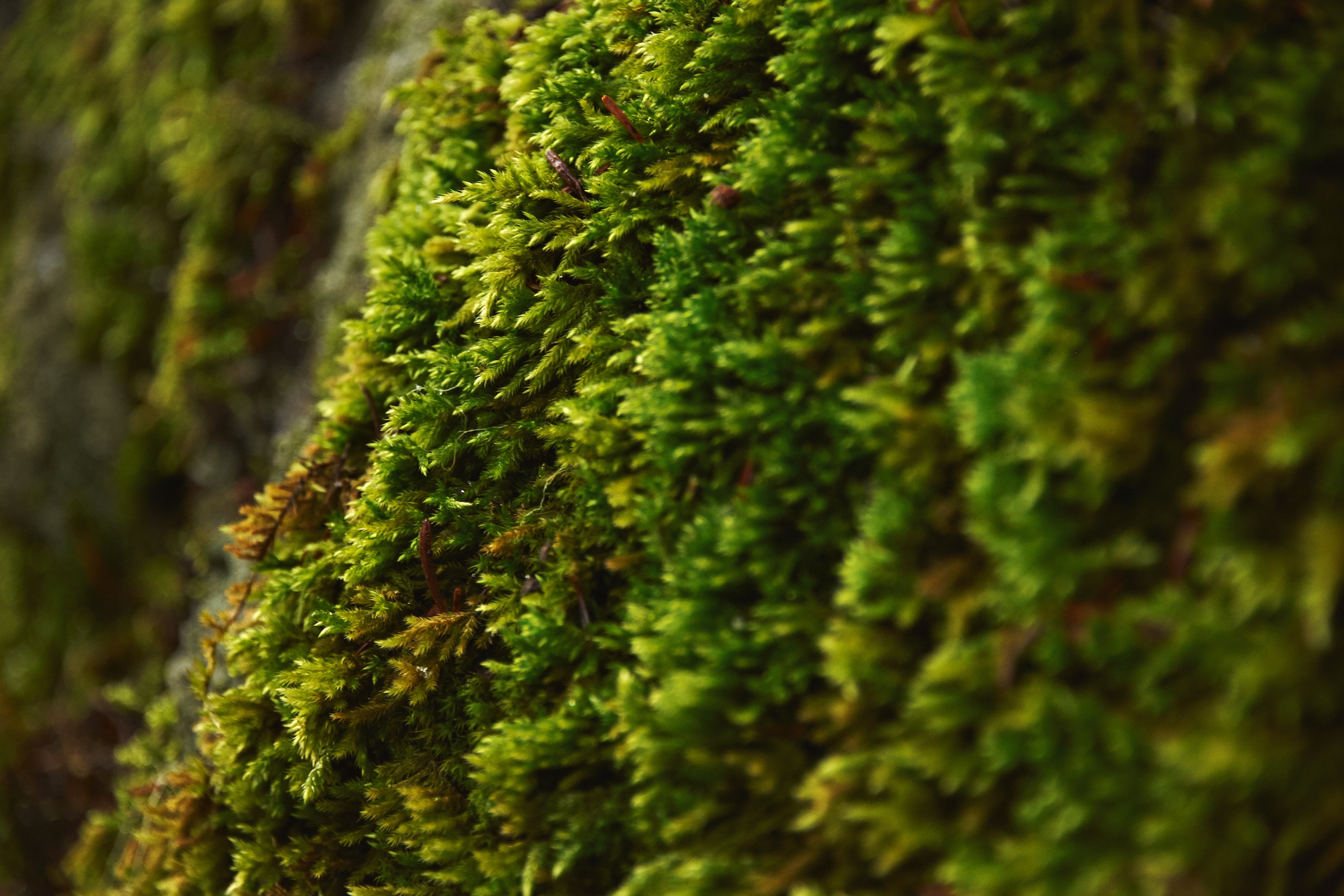
At Munich’s Pinakothek der Moderne, Design of the Unusual presents the work of designers Klarenbeek & Dros through materials including fungal mycelium, algae, seaweed and moss. The exhibition includes mycelium furniture, glass made from diatoms and bioplastic vessels, reflecting a practice in which biological materials become part of the process of making itself.
But beyond the objects lies a broader question: what happens to design when the material can grow?
From Designing Objects to Designing Conditions
Most conventional manufacturing begins with relatively passive matter. A material is cut, melted, moulded or printed until it takes the intended form.
Living systems complicate that relationship. Fungal networks extend according to nutrients and environmental conditions. Microorganisms transform feedstocks through metabolism. Biological structures can organize themselves across scales.
This introduces a different kind of design problem. Instead of determining every aspect of a final object, designers and researchers can increasingly design the conditions from which material properties emerge.
Importantly, not everything produced biologically remains alive. A mycelium composite may be cultivated and later dried or processed. But whether the final material is living or simply biologically produced, growth itself can become part of manufacturing.
When Growth Becomes Function
Recent biotechnology is pushing this idea beyond form.
In June 2026, researchers reported a living biomaterial created by growing Pleurotus ostreatus mycelium through a cellulose scaffold. By directing fungal growth, they produced a structure with contrasting water affinities that could capture atmospheric moisture and transport it toward soil while also reducing surface heating. Field experiments reported approximately 28% greater tomato wet-weight yield than bare soil.
Here, biology is not simply a substitute for a conventional material. The way the organism grows contributes directly to what the material does.
Designing the Biology Behind the Material
Synthetic biology moves the design decision even further upstream.
A July 2026 Nature Biotechnology study engineered polyketide synthases in E. coli and Streptomyces to biosynthesise molecular building blocks for recyclable plastics. Different biologically produced molecules could ultimately give polymers different thermal, mechanical and recycling properties.
The question therefore shifts from ‘Which material should we use?’ toward something more unusual: ‘What biological system could produce the material we need?’
Making the Unusual Ordinary
Biological production is not automatically sustainable; questions of feedstocks, processing, energy, scalability and end-of-life systems remain. Yet Design of the Unusual points toward an important change in how making can be imagined. As biology enters the designer’s toolkit, design may increasingly mean cultivating, guiding and programming—not simply shaping matter.
Perhaps the unusual object of the future will be defined less by how it looks than by how it came into existence.
References
- Die Neue Sammlung – The Design Museum. Klarenbeek & Dros: Design of the Unusual. Pinakothek der Moderne, Munich, 17 July 2026–10 October 2027.
- Liu, X., Tian, Y., Xu, W. et al. “Living mycelium biomulch for directed atmospheric water capture and soil irrigation.” Nature Water 4, 905–916 (2026).
- Wang, Z., Cheong, S., Wang, H. et al. “Engineered polyketide synthases enable a microbial chassis for recyclable plastics with tunable properties.” Nature Biotechnology (2026). DOI: 10.1038/s41587-026-03229-7.
Read more articles on Bio, Art & Science
You Are a Coral Reef: The Body Is a Habitat
Togetherness: From Living Systems to Cellular Societies
Notes and Neurons: When a Concert Becomes a Brain Experiment