Pancreatic cancer is difficult to treat partly because its tumour microenvironment is highly immunosuppressive. A new study from the scientists of University of Chicago Medical Center engineers Bifidobacterium longum to selectively colonize tumours and secrete an IL-2 variant locally, combining bacterial tumour targeting with immune activation in preclinical models.
Turning Bacteria into Local Drug Factories
Pancreatic ductal adenocarcinoma is characterised by a hypoxic, immunosuppressive tumour microenvironment that limits effective T-cell responses. Lee and colleagues explored whether this hostile environment could instead be used for targeted therapeutic delivery.
The researchers engineered the obligate anaerobe Bifidobacterium longum to secrete Super-mutant IL-2 (SumIL-2), an IL-2 variant designed to preferentially activate effector T cells over regulatory T cells. Following intravenous administration, the engineered bacteria selectively colonized tumours in mouse models and continuously produced the cytokine locally.
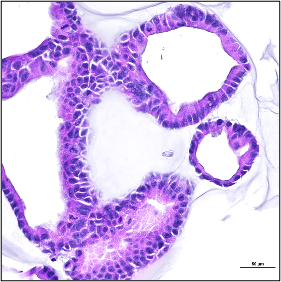
In an orthotopic pancreatic cancer model, the engineered strain reduced tumour burden and increased CD8⁺ effector T-cell infiltration and the effector-to-regulatory T-cell ratio. Mechanistic experiments indicated that therapeutic activity depended on both STING signalling and CD8⁺ T cells. Combination with gemcitabine, radiotherapy or anti-PD-L1 treatment further improved tumour control in several preclinical experiments.
The study illustrates a broader synthetic-biology strategy: using tumour-colonizing bacteria as programmable, localized drug-delivery systems rather than administering immunostimulatory molecules systemically. However, the work remains preclinical. Long-term safety, bacterial control, resistance, biocontainment and translation of intravenous administration to humans will require further investigation.
Reference
Lee, J., Yang, K., Nowicki, C. A. et al. “Engineered probiotic Bifidobacterium for tumor-targeted pancreatic cancer therapy.” Science Advances 12, eadz1388 (2026). DOI: 10.1126/sciadv.adz1388.
Working on an Oncology Research?
Discover our Patient-Derived Cancer Organoid Platform:
Breast Cancer Organoid | Hepatocarcinoma Cancer Organoid | Pancreatic Cancer Organoid