Brain Organoids for CNS Research

Explore human brain biology with three-dimensional organoid models representing the midbrain, cortex, and striatum. Lambda Biologics offers brain organoid solutions to support neuroscience research, disease modeling, and the evaluation of therapeutic candidates.

What Are Brain Organoids

Brain organoids are three-dimensional cell cultures derived from human pluripotent stem cells, including induced pluripotent stem cells (iPSCs). Through guided differentiation and self-organization, they develop neural cell populations and tissue-like structures that reproduce selected features of human brain development. Region-specific models allow researchers to focus on the cell types and biological processes most relevant to their research question.

These models provide a human cellular context for investigating disease mechanisms and treatment responses. They complement conventional experimental systems, while their cellular composition, maturation, and suitability must be assessed for each study.

Brain Region-Specific Models

Optimized regional protocols support consistent model generation and reproducible study workflows.

Flexible Supply Options

Choose ready-to-use organoids, generation kits 
or culture media for your workflow.

Functional Toxicity Assessment

Evaluate changes in neural activity alongside viability and molecular endpoints.

Broad Modality Coverage

Support disease modeling, efficacy and safety studies across therapeutic modalities.

Brain Organoid Models

Investigate dopaminergic neuron biology.
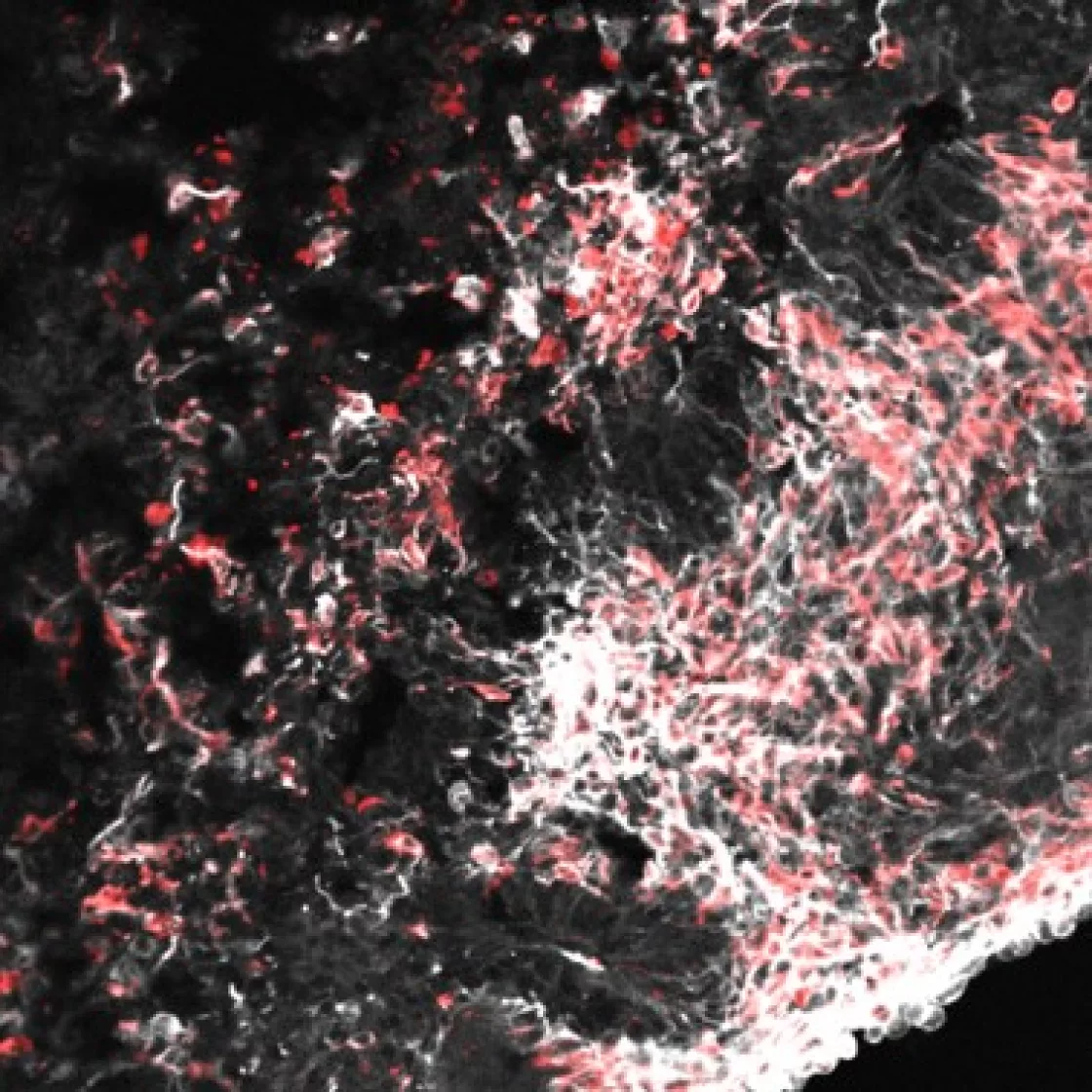
Midbrain organoids contain dopaminergic neurons and supporting neural cell populations. They provide a region-specific platform for studying neuronal vulnerability, mitochondrial stress, and disease-associated changes relevant to Parkinson’s research.
Midbrain Organoids
Midbrain Organoid
Study cortical development and neural tissue responses.
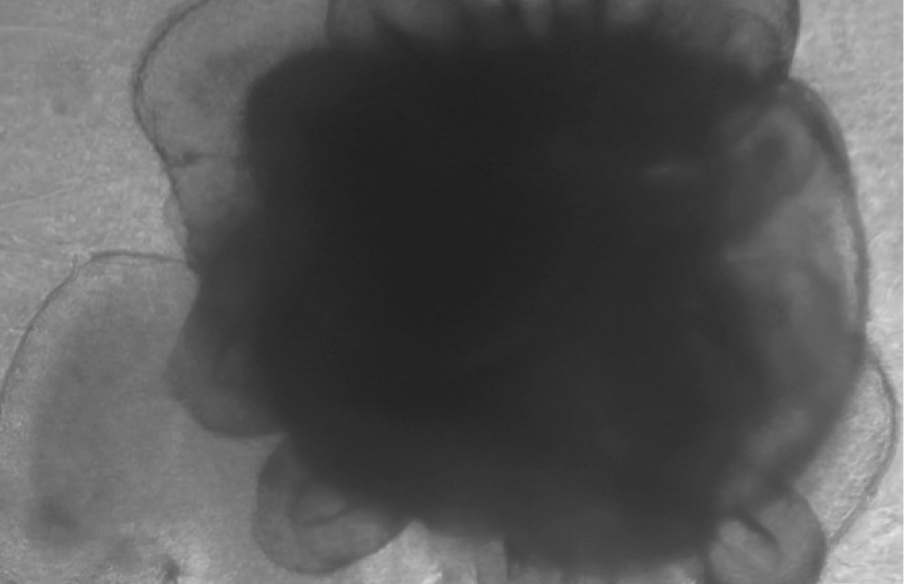
Cortical organoids model selected features of the developing cerebral cortex, including neural progenitor organization and neuronal differentiation. Lambda’s current cerebral organoid platform supports research into cortical biology, neurological disorders, and drug responses. Its cerebral organoids also serve as the neural tissue component in Lambda’s GBM co-culture model.
Midbrain Organoid
Explore striatal development and neuronal function.
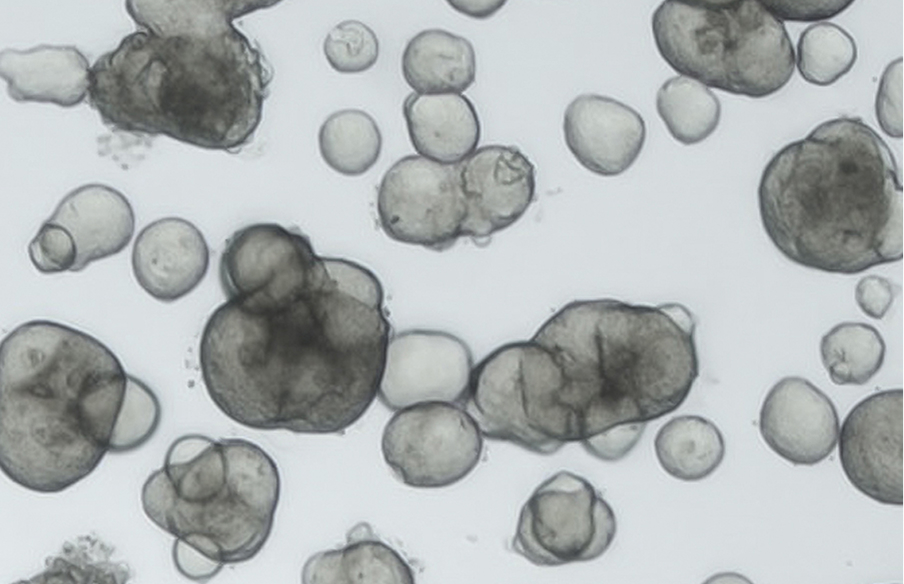
Striatal organoid models are designed to represent selected features of the human striatum. Published protocols generate GABAergic populations, including medium spiny neurons, and provide a basis for studying striatal biology and cortico-striatal interactions. Discuss the required cell populations, maturation stage, and endpoints with our team.
Striatal Organoids

Readouts for Brain Organoid Studies

Brain organoid studies can integrate morphological, functional, molecular and toxicological readouts in a single human model. This allows compound effects to be assessed at the structural, cellular and transcriptional level.

Morphological analysis

Organoid size and growth kinetics, structural organization, immunofluorescence imaging and high-content imaging characterize tissue development and treatment-induced structural changes.

Functional analysis

Neuronal maturation markers, calcium imaging and electrophysiological assessment evaluate neuronal maturity and network activity.

Molecular analysis

qPCR, bulk RNA sequencing, single-cell RNA sequencing and protein expression analysis profile gene and protein expression, including cell type-specific responses at single-cell resolution.

Toxicity and efficacy

Cell viability, neurotoxicity, neuroprotection and dose-response evaluation quantify compound safety and efficacy.

Custom study design

Studies can be tailored to specific research questions, including disease modeling, patient-derived iPSC studies, biomarker and assay development, multi-omics analysis, long-term maturation, and efficacy/safety evaluation with defined endpoints.

Parkinson’s Disease Modeling

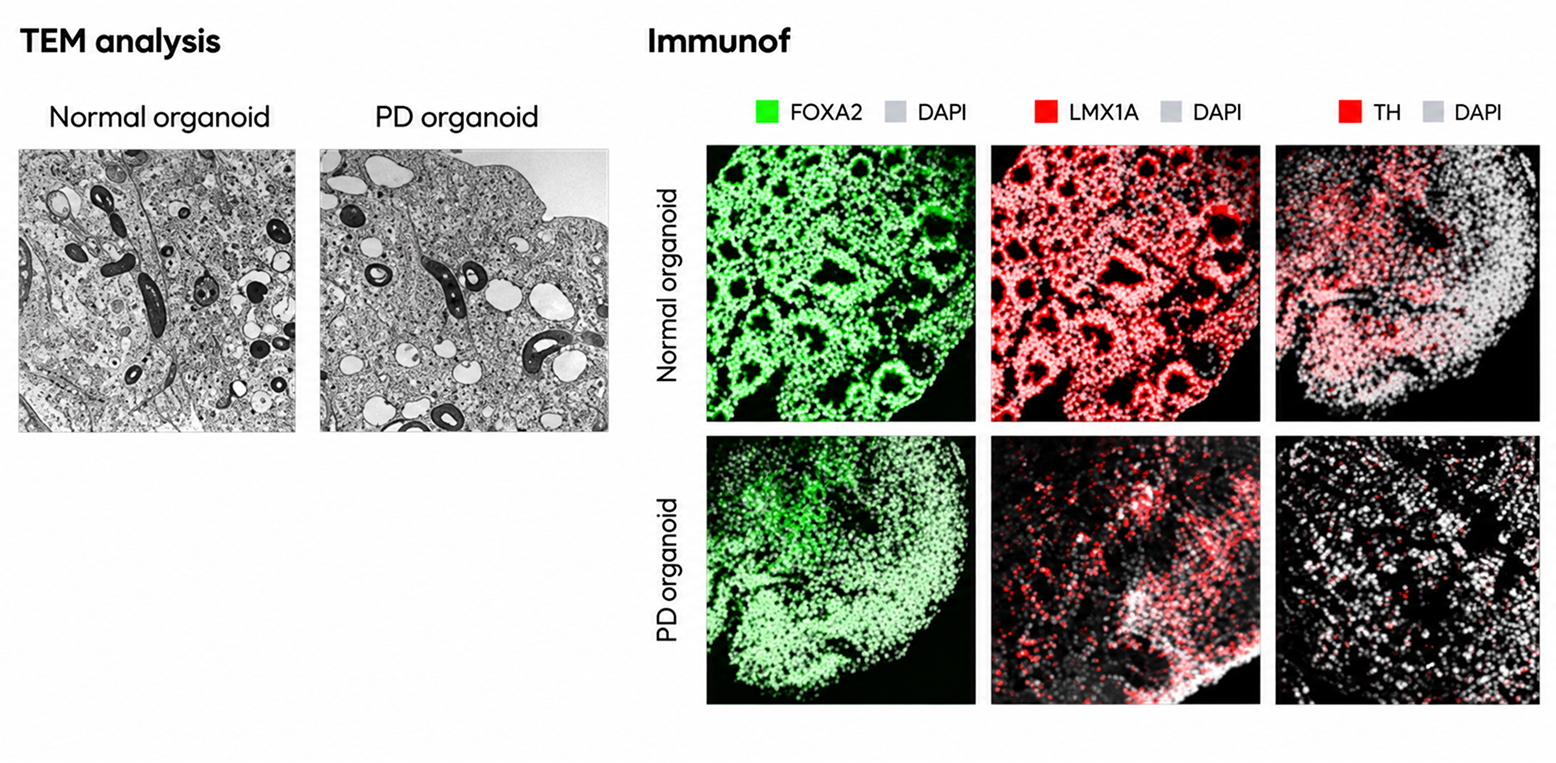
Investigate dopaminergic neuron degeneration and mitochondrial dysfunction using human midbrain organoids. Lambda’s published case study describes mitochondrial stress-associated changes in neuronal markers, apoptosis, and mitochondrial function. These endpoints can inform the design of mechanistic and therapeutic evaluation studies.

Glioblastoma Multiforme (GBM) Model

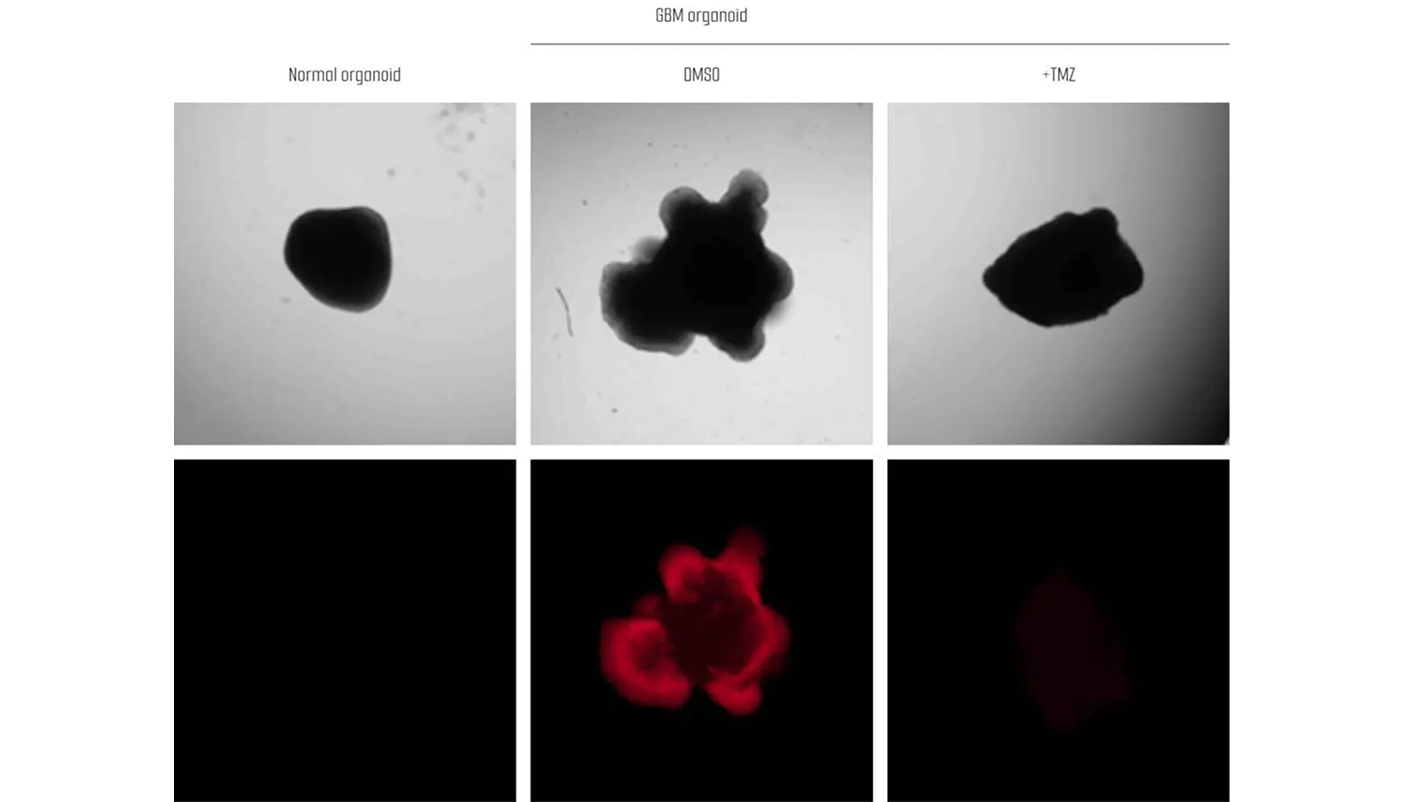
Study tumor invasion and tumor–brain interactions by combining human cerebral organoids with patient-derived GBM cells. Lambda’s co-culture model provides a three-dimensional neural environment for investigating invasion patterns and therapeutic responses.

Contact us to discuss your
CNS research projects

Human Organoid-Based Evaluation Platform for Efficacy and Toxicity Prediction

Trusted by Leading Innovators

Customer insight

Advancing K-Beauty with Skin Organoids

Advancing K-Beauty with Skin Organoids: A Next-Generation Platform for Non-Animal Testing and High-Precision Cosmetic Innovation With the global rise of K-beauty, the cosmetics industry continues to grow steadily. Since the ban on animal testing for cosmetics in Korea in 2017, various alternative testing methods have been adopted. However, many of these approaches have limitations in replicating the complexity of human skin physiology. The emergence of skin organoids has provided a...

Read full feedback
Professor Lee Chang-seok Eulji University
Customer insight

HT-X1: A Label-Free Imaging Breakthrough for Organoid-Based Disease Modeling and Drug Screening

Traditional microscopy methods often require fluorescent labeling to analyze cellular structures, which can be time-consuming and invasive. In contrast, our HT-X1 system allows for high-resolution visualization of cellular morphology without the need for any labeling, offering a clear advantage in live-cell imaging. To validate this capability, we conducted an organoid-based analysis using intestinal organoids. Among various organoid types, intestinal organoids are known to closely replicate the functional structure of the...

Read full feedback
Tomocube (Spatial)
Customer insight

Advancing Clinical Pathology with Spatial Protein Analysis

Traditional protein analysis has primarily focused on quantifying expression levels within tissue samples. However, recent advances in spatial analysis techniques have shifted attention toward evaluating not only expression levels, but also the spatial distribution, density, and proximity between proteins. While this approach is already widely adopted in international research, it remains relatively underutilized in Korea, making it challenging to apply in domestic studies. Thanks to Lambda Biologics, which became the...

Read full feedback
Seoul National University College of Medicine
Customer insight

Revealing Immune-Boosting Potential with ODISEI-Gut

Among the many fermented foods we consume, kimchi is particularly known for containing a diverse range of lactic acid bacteria, which are believed to influence the activation of immune cells in the body. In our research institute, we successfully isolated a bacterial strain that appears to enhance immune cell function. To evaluate its effect in the intestinal environment, we utilized the ODISEI-Gut platform. Using this platform, we investigated how the...

Read full feedback
K Research Institute
Customer insight

Multiplex Marker Analysis Enhances Research Efficiency with 31-Marker Detection on a Single Slide

We conducted a study focused on identifying disease-related markers using patient-derived tissue samples. However, traditional methods limited our ability to analyze multiple candidate markers simultaneously, and the limited availability of clinical samples posed a consistent challenge. By utilizing Lambda Biologics’ Multiplex Marker Analysis service, we were able to detect the expression of 31 markers on a single slide, enabling more comprehensive analysis while conserving precious tissue samples. This significantly enhanced...

Read full feedback
Bundang Jesaeng General Hospital
Customer insight

Redefining Gastric Cancer Research with Patient-Derived Organoids

Gastric cancer is one of the leading causes of cancer-related mortality worldwide. It is a malignant solid tumor characterized by poor prognosis due to difficulties in early diagnosis and its rapid progression. Unlike many other solid tumors that primarily metastasize via lymphatic or hematogenous routes, gastric cancer most commonly spreads through the peritoneum. Peritoneal metastasis is associated with particularly poor outcomes and marked resistance to treatment, highlighting the urgent need...

Read full feedback
SOON CHUN HYANG UNIVERSITY HOSPITAL
Customer insight

Breast Cancer PDOs for TNBC Drug Development

Breast cancer is one of the most commonly diagnosed cancers among women worldwide. It is a complex and heterogeneous disease, with its progression and treatment response varying significantly depending on factors such as hormone receptor status, HER2 expression, and genetic background. Breast cancer is typically classified based on the expression of three major biomarkers: estrogen receptors (ER), progesterone receptors (PR), and HER2. Among these, tumors that do not express any...

Read full feedback
GANGNAM SEVERANCE HOSPITAL
Customer insight

Transforming Gastric Cancer Treatment: Lambda Biologics’ PDOs Platform

Gastric cancer is one of the leading causes of cancer-related mortality worldwide. It is a malignant solid tumor characterized by poor prognosis due to difficulties in early diagnosis and its rapid progression. Unlike many other solid tumors that primarily metastasize via lymphatic or hematogenous routes, gastric cancer most commonly spreads through the peritoneum. Peritoneal metastasis is associated with particularly poor outcomes and marked resistance to treatment, highlighting the urgent need...

Read full feedback
SOON CHUN HYANG UNIVERSITY HOSPITAL
Customer insight

A Novel Drug Proven to Penetrate the Tumor Microenvironment

Our newly developed drug differs from previously known therapeutics in that it directly penetrates various tumor tissues to exert its efficacy. Therefore, it was essential to analyze the drug’s penetration within the tumor microenvironment. To evaluate this, we conducted permeability testing in a co-culture system of tumor organoids and cancer-associated fibroblasts (CAF). This approach allowed us to determine the optimal drug concentration required for effective therapeutic action. As a result,...

Read full feedback
Autotelic bio
Customer insight

Functional Testing of Anaerobic Microbes Using Organoids

We have been developing products utilizing various bacterial strains and have explored multiple methods to evaluate the efficacy of our developed strains. However, due to the nature of obligate anaerobic bacteria, there were significant limitations in applying conventional in vitro efficacy evaluation methods. To overcome these challenges, we explored different testing approaches and discovered the ODISEI platform. Through this platform, we confirmed that organoids enable the effective analysis of obligate...


Read full feedback
Chong Kun Dang - better life through better medicine

Download the Brochure now!

Organoid-based ADC Evaluation Platform

Thank you for your submission.

Our team has received your request and will get back to you shortly with tailored workflows and relevant case studies for your ADC efficacy and toxicity evaluation needs.
If you do not receive our confirmation email, kindly check your spam or junk folder.

Thank you for your interest

You can now download the file.

Connect with Us