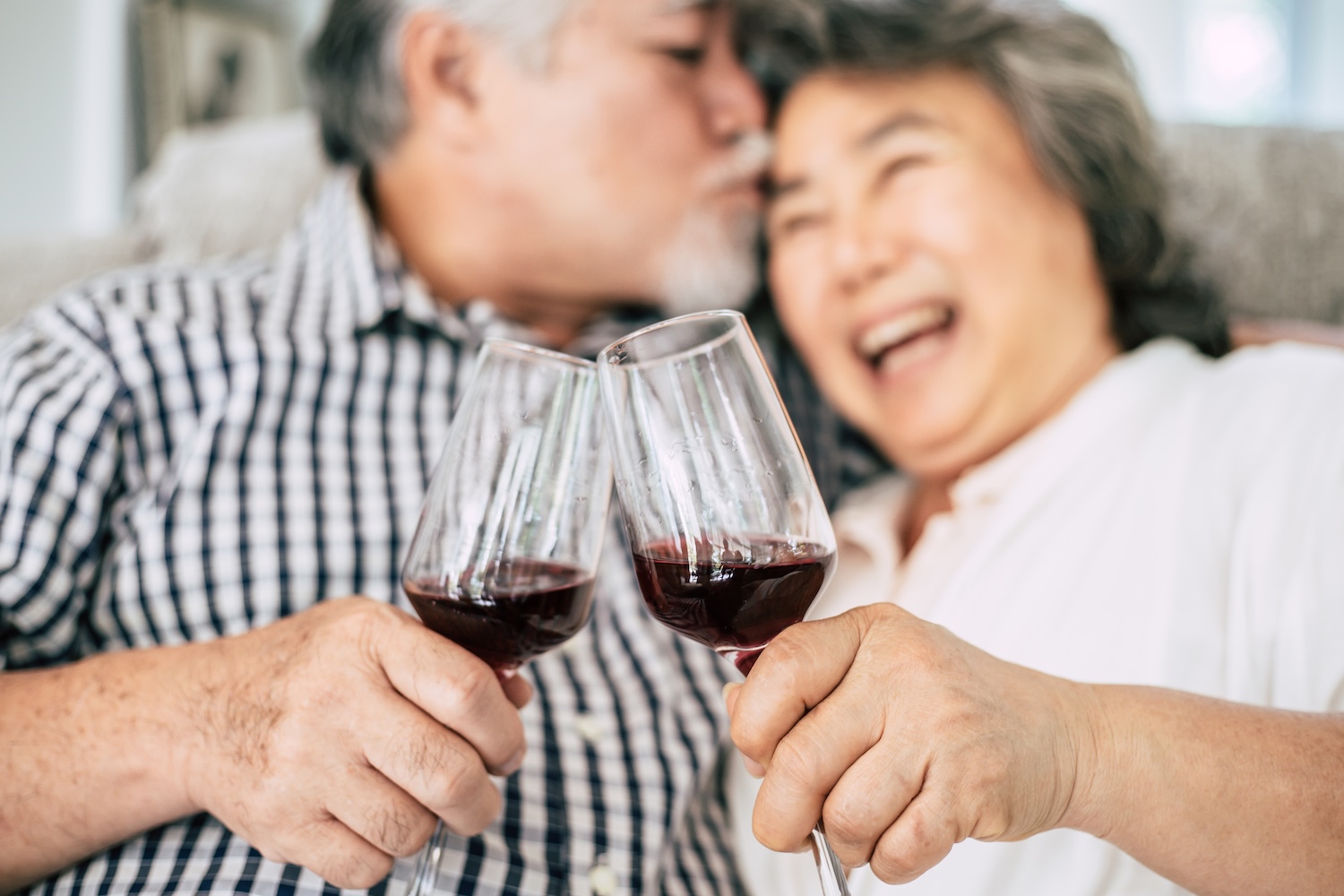
A glass of wine is usually more than just a glass of wine.
Minnesota Governor Tim Walz recently signed the “Grandparents’ Happy Hour bill” into law, allowing nursing homes and assisted living communities to serve alcoholic beverages during organized social events without obtaining a traditional liquor license. While the legislation made headlines because of alcohol, its deeper message is about enhancement of senior life quality via the preservation of dignity, independence, and the joy of everyday life.
At first glance, the idea may seem surprising. Yet neuroscience and gerontology suggest that the greatest benefit may not come from the beverage itself, but from the social ritual surrounding it.
There're More Than Just Alcohol
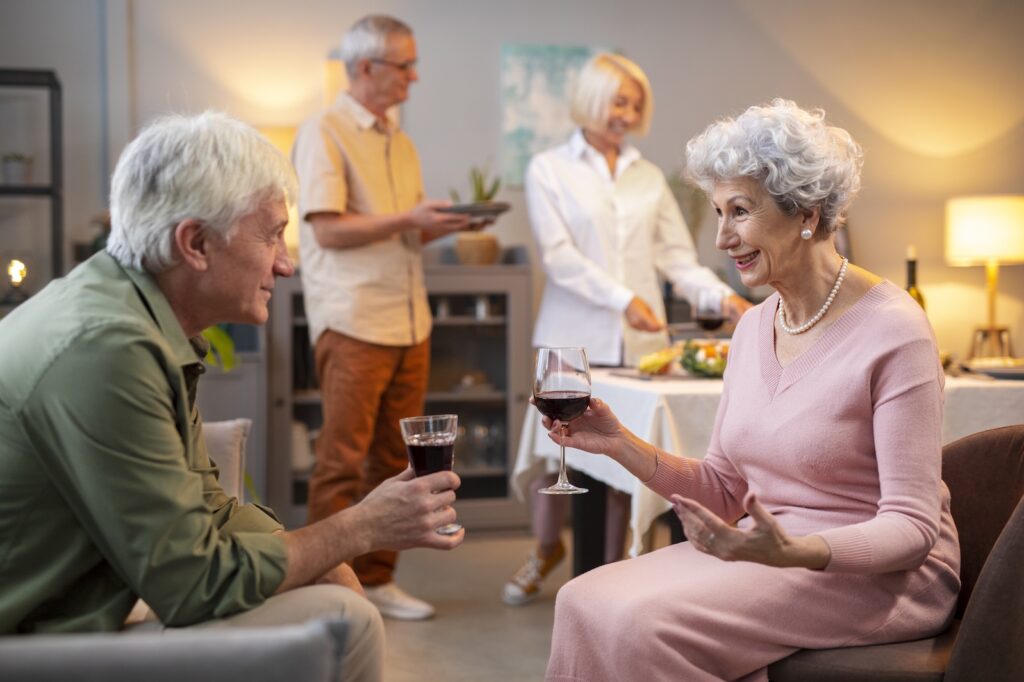
Research consistently shows that social engagement is one of the strongest contributors to psychological well-being in later life. Older adults who maintain meaningful social interactions generally report higher life satisfaction, reduced loneliness, and better emotional health. In residential care settings, creating opportunities for conversation and shared experiences has become an important component of person-centered care, recognizing that quality of life extends well beyond medical treatment (Gardiner et al., 2018; Balbim et al., 2019).
A happy hour offers exactly that: a familiar social ritual that encourages residents to gather, reminisce, laugh, and reconnect.
The Science of Choice and Identity
Equally important is the idea of autonomy.
Growing older—or moving into assisted living—often means surrendering many everyday decisions. Research examining alcohol use in residential care has found that, for many residents, the ability to enjoy an occasional drink is less about alcohol itself than about maintaining identity, preserving personal choice, and continuing lifelong traditions. At the same time, researchers emphasize that these activities should always be balanced with individual health needs, medication use, and cognitive status (Backhouse et al., 2022).
This philosophy closely echoes another emerging movement in dementia care. In recent years, the Netherlands’ nursing home True Door initiative personalizs front-door designs helped residents reconnect with familiar memories and navigate their surroundings more confidently. Minnesota’s Happy Hour initiative applies the same principle in a different way: rather than supporting recognition through environmental design, it nurtures well-being through meaningful social rituals.
Designing Better Lives
The future of elder care may depend as much on thoughtful experiences as on new medicines.
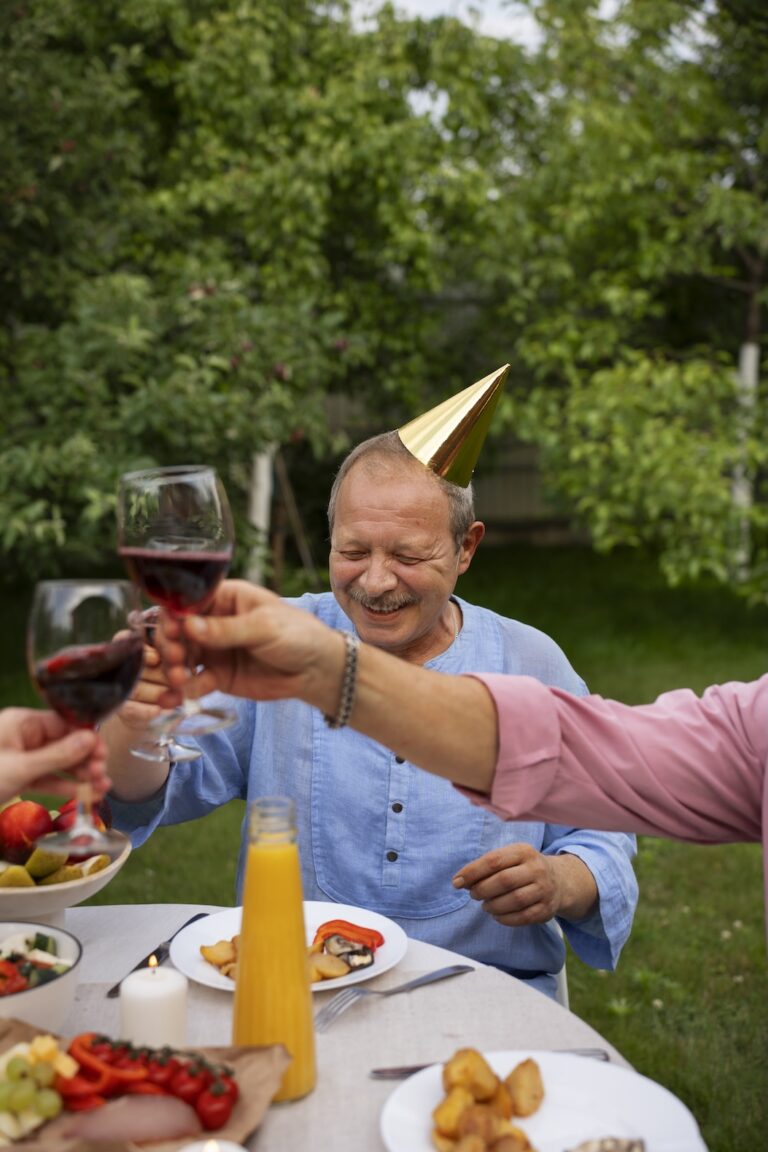
Whether through personalized architecture, familiar music, shared meals, or community happy hours, researchers increasingly recognize that environments supporting memory, identity, and social connection can profoundly influence emotional well-being.
Minnesota’s legislation reminds us that compassionate care is not measured solely by medications or clinical outcomes. Sometimes, it begins with something much simpler: the freedom to raise a glass, share a story, and feel, even for an afternoon, completely at home.
References:
Backhouse, T., Kenkmann, A., Jones, K., & Schofield, P. (2022). Balancing individual rights and risks: A systematic review of qualitative studies of perspectives on older adults’ alcohol use in residential care settings. Ageing & Society, 42(11), 2519–2543.
Balbim, G. M., Falck, R. S., Barha, C. K., Starkey, S. Y., & Liu-Ambrose, T. (2019). Effects of social isolation and loneliness on the health of older adults: A review. BMC Geriatrics.
Gardiner, C., Geldenhuys, G., & Gott, M. (2018). Interventions to reduce social isolation and loneliness among older people: An integrative review. Health & Social Care in the Community, 26(2), 147–157.
Minnesota House of Representatives. (2026). Omnibus liquor bill includes the “Grandparents’ Happy Hour” provision (HF2027/SF2511).
CBS Minnesota. (2026). Minnesota’s “Grandparents’ Happy Hour” bill signed into law.
Read more:
Read more:
Nature’s Blueprint: What We Can Learn from Diatoms
Why Every Goal Feels Personal: The Neuroscience Behind the World Cup
When Life Becomes the Canvas: Bioscience Is Transforming the Language of Art
In the Age of AI Slop, Biology Becomes the Last Authentic Medium