Ed Sayers’ Super Nature are praised by critics and the public both, for its authentic story telling and emotional visual beauty. However, they are not the center of our discussion today. In this article, we invite you to take one step further into the micro-world of mordern biology research, with the inspiration from the documentary itself: Super Nature looks at nature through relationships rather than isolated subjects. Modern organoid research is doing something similar inside the body—revealing how cells, microbes and their surroundings shape one another.
A New Way of Seeing Nature
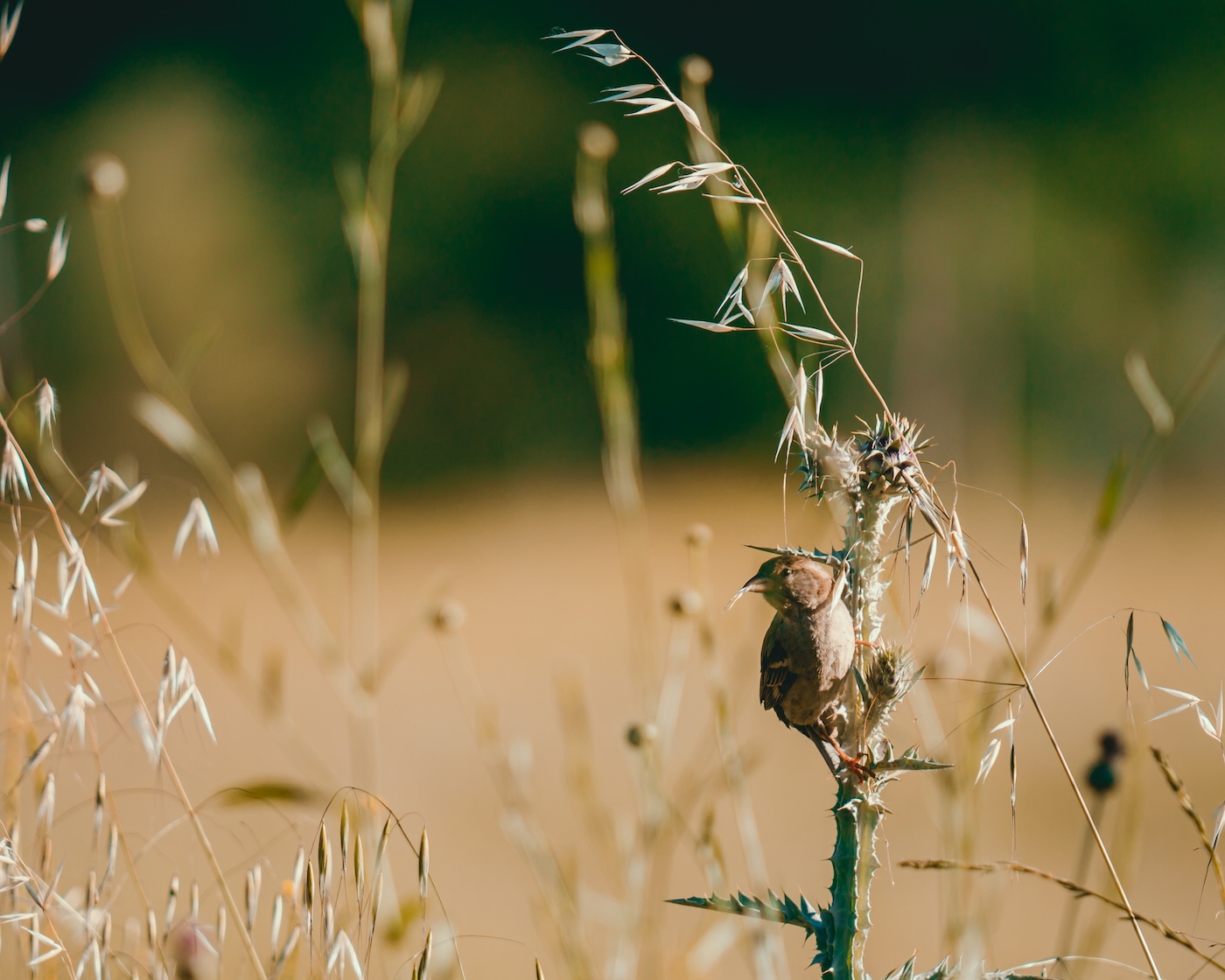
Ed Sayers’ Super Nature begins with a familiar subject—the natural world—but changes the way we look at it. Released in UK and Irish cinemas on 4 September, the film was assembled from footage created by 40 collaborators using 80 vintage Super 8 cameras across 25 countries.
Rather than presenting nature through the distant authority of a conventional wildlife documentary, it offers many intimate perspectives on the organisms and environments people live alongside.
The result is less a catalogue of species than a portrait of relationships: life occupying particular places, responding to change and existing through connections with other life.
From Species to Relationships
Something comparable is happening in molecular biology: Genes, proteins and individual cell types remain fundamental units of research. But increasingly, understanding biology means asking not only what is present, but what happens because different components are together.
A cell does not behave independently of its surroundings. Its identity and activity can be shaped by neighboring cells, extracellular signals, microbes, physical structure and disease state.
At this smaller scale, tissues begin to resemble ecosystems: communities whose behaviour emerges partly from interactions among their members.
The Ecology Inside Us
Organoids are becoming one way to bring some of that context back into the laboratory.
A recent Nature Cell Biology study developed multi-stromal organoid co-cultures to investigate pancreatic cancer and pancreatitis [2]. Instead of examining epithelial cells alone, researchers incorporated pancreatic stellate cells, fibroblasts and mesothelial cells, revealing disease-associated differences in epithelial–stromal interactions.
The lesson is not simply that more cell types make a model more complex. It is that the cellular neighbourhood itself can help shape biological behaviour.
A related principle appears in host–microbe research [3]. Scientists generated intestinal organoids from children patient with inflammatory bowel disease and paired them with bacteria isolated from corresponding mucosal sites. Closely related bacterial isolates could trigger different epithelial responses, showing that biological behaviour depends not only on which organisms are present, but on the particular relationship between host, microbe and location.
Organoids do not recreate an entire organ or its full environment. Their value here is more specific: they offer experimentally tractable settings in which selected biological relationships can be reconstructed and tested.
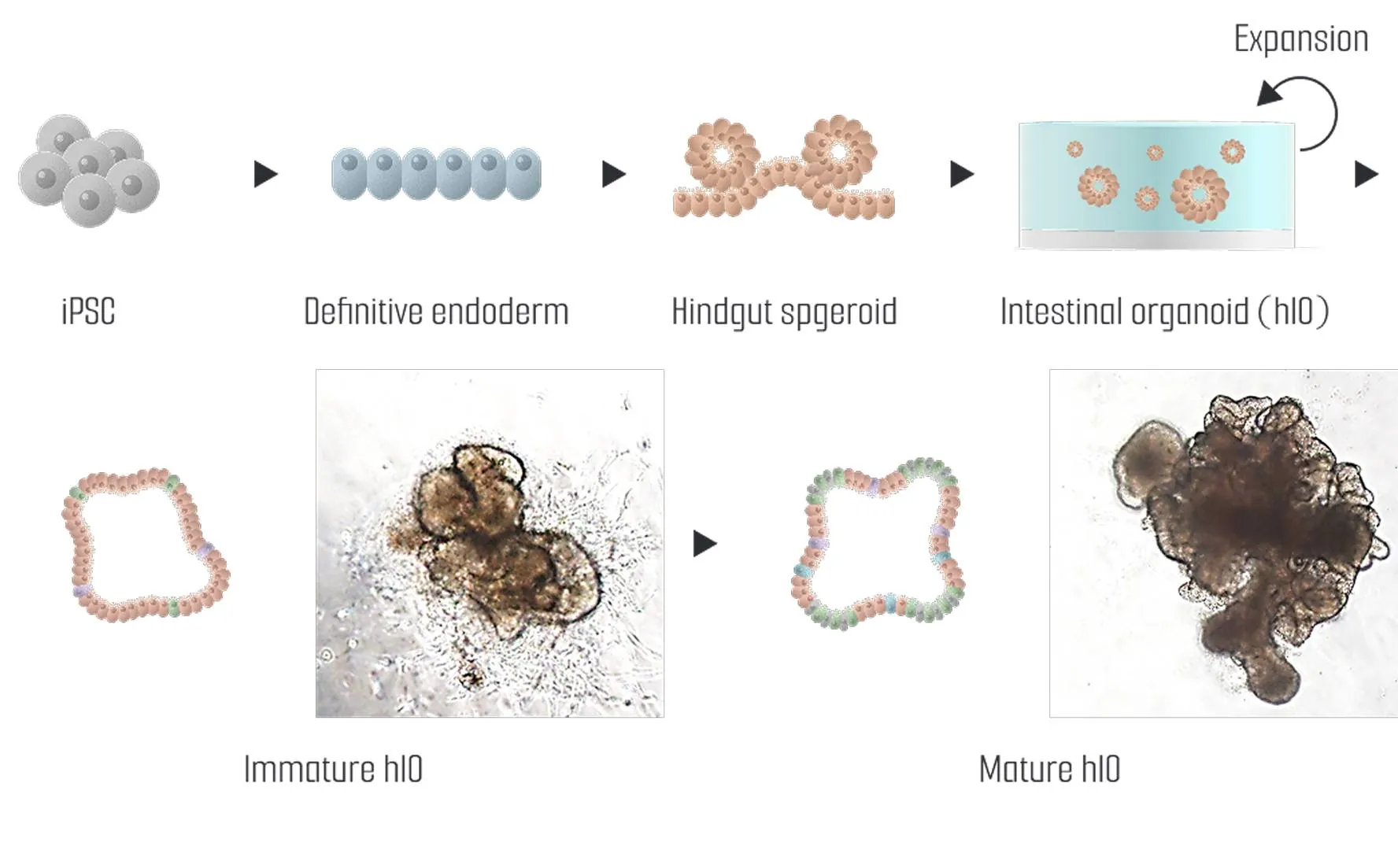
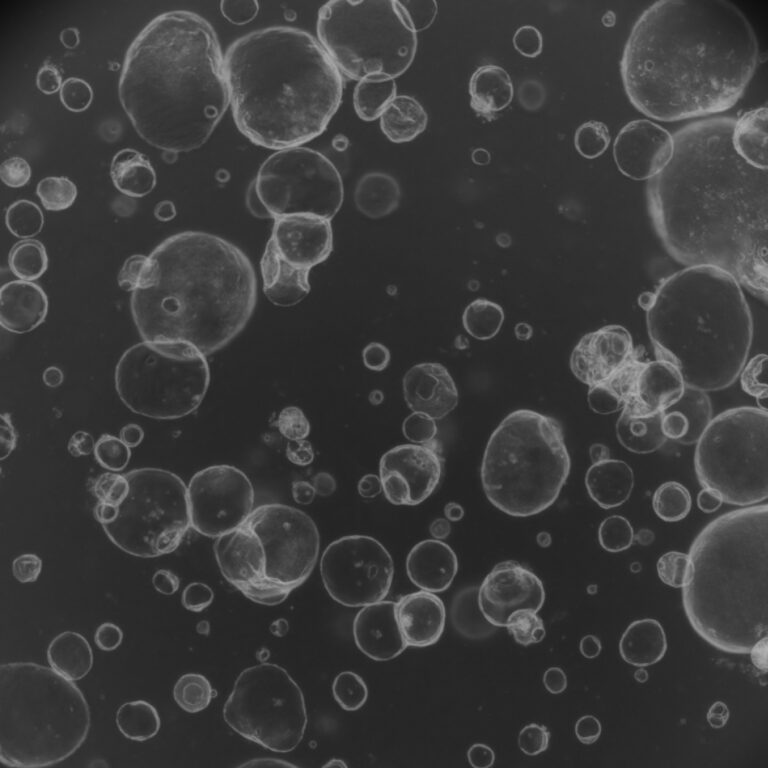
iPSC-derived Intestinal Organoids
In vitro Platform for translational research
What Becomes Visible When We Change the Frame?
Super Nature cannot contain nature in its entirety. Neither can an organoid reproduce the full complexity of living tissue.
Both, however, point towards the same idea: the frame through which we observe life determines what becomes visible.
The film shifts attention from isolated spectacles towards coexistence. Molecular biology is making a related move—from individual components towards interacting systems.
Nature, in that sense, does not stop at the surface of the body. Its principles of context, dependence and coexistence continue all the way down into our tissues.
References
- British Film Institute. “Super Nature, a love letter to nature created on Super 8 film, to be released on 4 September.” BFI, 2026.
- Li, W., Jihad, M., Lloyd, E. G. et al. “Multi-stromal organoid co-culture modelling reveals epithelial–fibroblast heterogeneity in pancreatic cancer and pancreatitis.” Nature Cell Biology (2026). DOI: 10.1038/s41556-026-02057-w.
- Chan, E., Chan, W. H., Kerr, G. et al. “Patient-derived intestinal organoids as a model for site-specific mucosal bacterial interactions in paediatric inflammatory bowel disease.” Scientific Reports 16, 15359 (2026). DOI: 10.1038/s41598-026-46184-8.