Can a piece of art become part of the brain's memory?
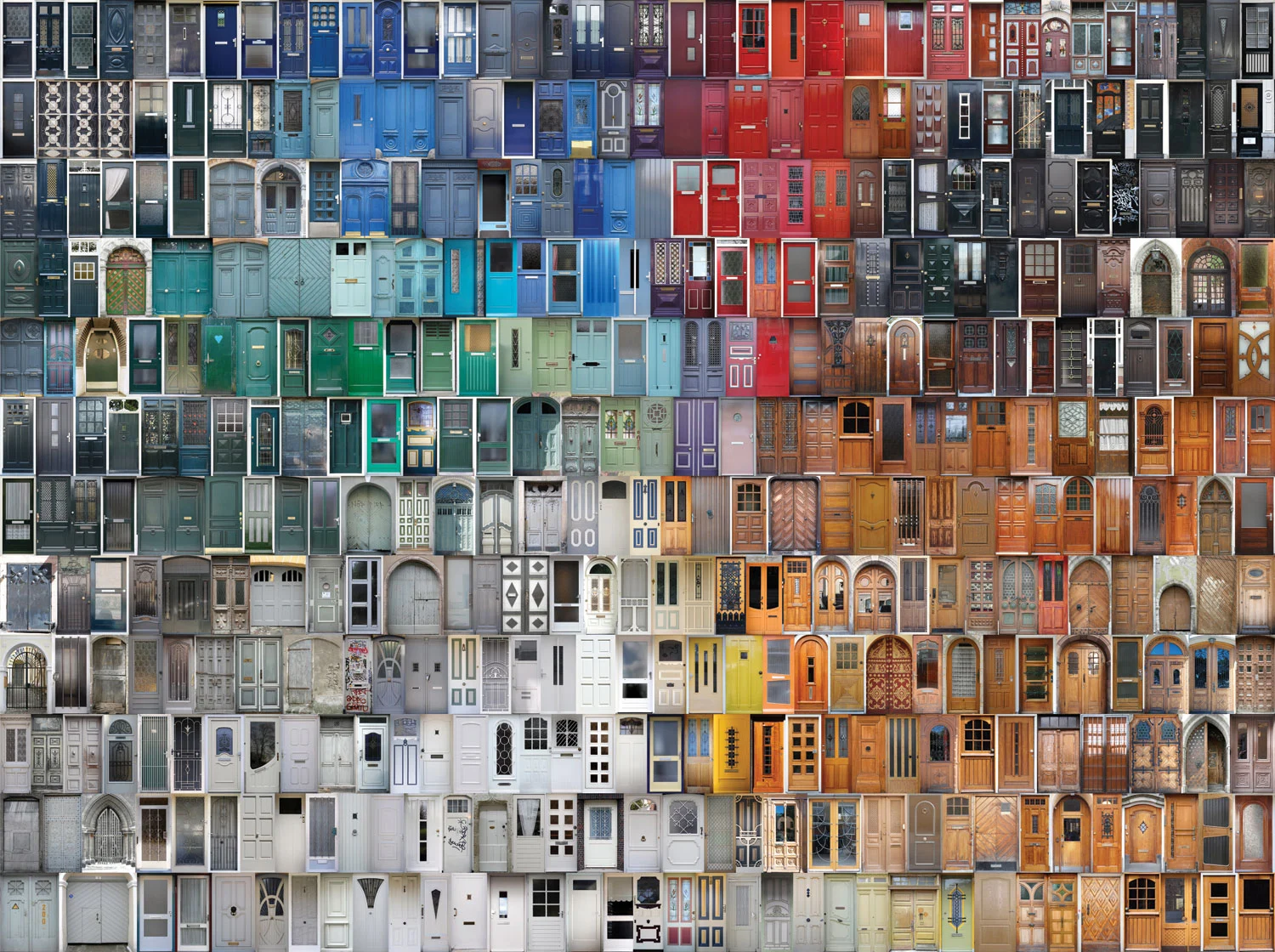
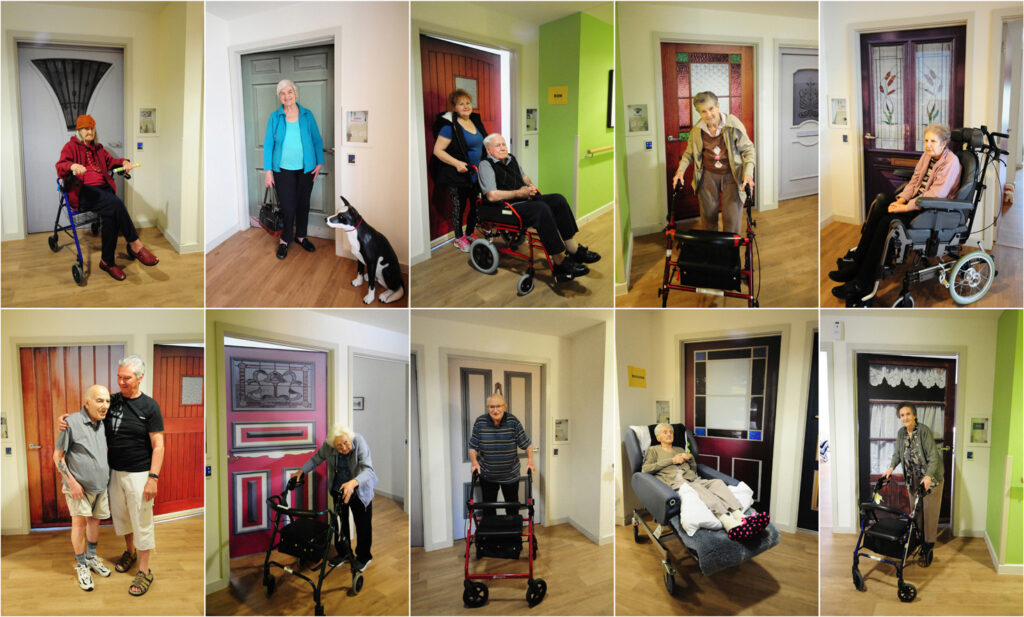
It sounds like a philosophical question, but in several nursing homes across the Netherlands and Belgium, it has become a practical approach to dementia care. By recreating residents’ former front doors as life-sized decals outside their rooms, the True Doors initiative transforms a simple design feature into a familiar landmark—one intended to help people recognize where they belong.
When Design Becomes Cognitive Support
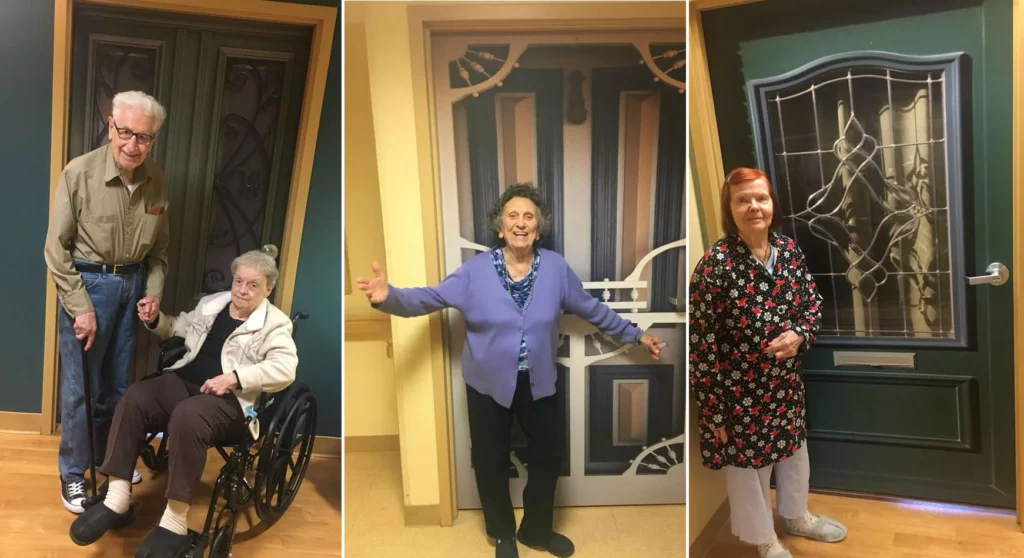
At first glance, True Doors looks like an architectural project. Each resident’s room is personalized with a full-scale replica of the entrance to the home they once lived in, complete with familiar colors, textures, and architectural details.
Behind this artistic intervention lies an important neuroscientific principle. Our brains constantly rely on visual landmarks to orient ourselves in space. For people living with dementia, whose ability to recognize environments gradually declines, identical corridors and uniform doors can make navigation confusing. A familiar front door becomes more than decoration—it becomes an external cue for recognition.
Rather than asking residents to remember where they live, the environment quietly helps them do so.
Bringing a Sense of Home Back
An exploratory evaluation by the Dutch Trimbos Institute examined the impact of True Doors in a nursing home for residents with dementia and psychiatric conditions. Although based on interviews with caregivers and family members rather than direct patient assessments, the findings were encouraging.
Caregivers reported that some residents began referring to their rooms as “my home.” Others found it easier to recognize their own space, while one resident who had repeatedly waited near the ward exit instead remained by what he recognized as his own front door. Staff and families also observed improvements in orientation, privacy, reminiscence, social interaction, and the overall atmosphere of the nursing home.
The researchers did not claim the doors improved memory or slowed dementia. Instead, they suggested that recreating familiar environments can help residents feel more at home and better oriented within an unfamiliar setting.
The Neuroscience Behind Recognition
The success of True Doors reflects a broader understanding of how memory works.
Cognitive neuroscience has shown that memory is not supported by the brain alone. We constantly rely on external cues—a familiar street, a favorite song, a family photograph—to trigger recognition and autobiographical memories. Environmental psychology has similarly demonstrated that distinctive landmarks improve wayfinding for people living with dementia, reducing confusion and supporting independence.
True Doors applies this science in a deeply personal way. Instead of using generic signage, each resident’s own front door becomes a meaningful cognitive landmark—one shaped by decades of lived experience.
The project also naturally encourages reminiscence. The personalized doors prompted conversations between residents, families, and caregivers about former homes and life stories, reinforcing social connection alongside recognition.
When Art Becomes Care
We often think of breakthroughs in dementia care as new drugs or emerging biomarkers. Without a doubt, those advances remain essential. Yet the True Doors initiative reminds us that innovation can also emerge through thoughtful design.
A familiar front door cannot reverse Alzheimer’s disease. But it can help someone recognize a place, spark a conversation, or restore a small sense of belonging. In doing so, art becomes more than something we look at—it becomes part of a therapeutic environment.
Perhaps that is the lesson behind True Doors. Sometimes, improving dementia care is not only about changing the brain. It is also about designing spaces that help the brain feel at home.
Reference:
Voorhaar, Marijn. (2016). True doors: A story behind the street door. Gerontechnology. 14. 177-178. 10.4017/gt.2016.14.3.003.00.
Image source: truedoors.com
Read more Bio, Sciences & Arts articles:
Neuroscience Meets ‘Fool Night’: Rethinking Communication and Consciousness
To Infinity and Beyond: Memory, and the Neuroscience of Identity
Why Every Goal Feels Personal: The Neuroscience Behind the World Cup
When Life Becomes the Canvas: Bioscience Is Transforming the Language of Art
Working on Neurodegeneration Disease research?
Explore our brain organoid platform and Neurodegeneration disease models