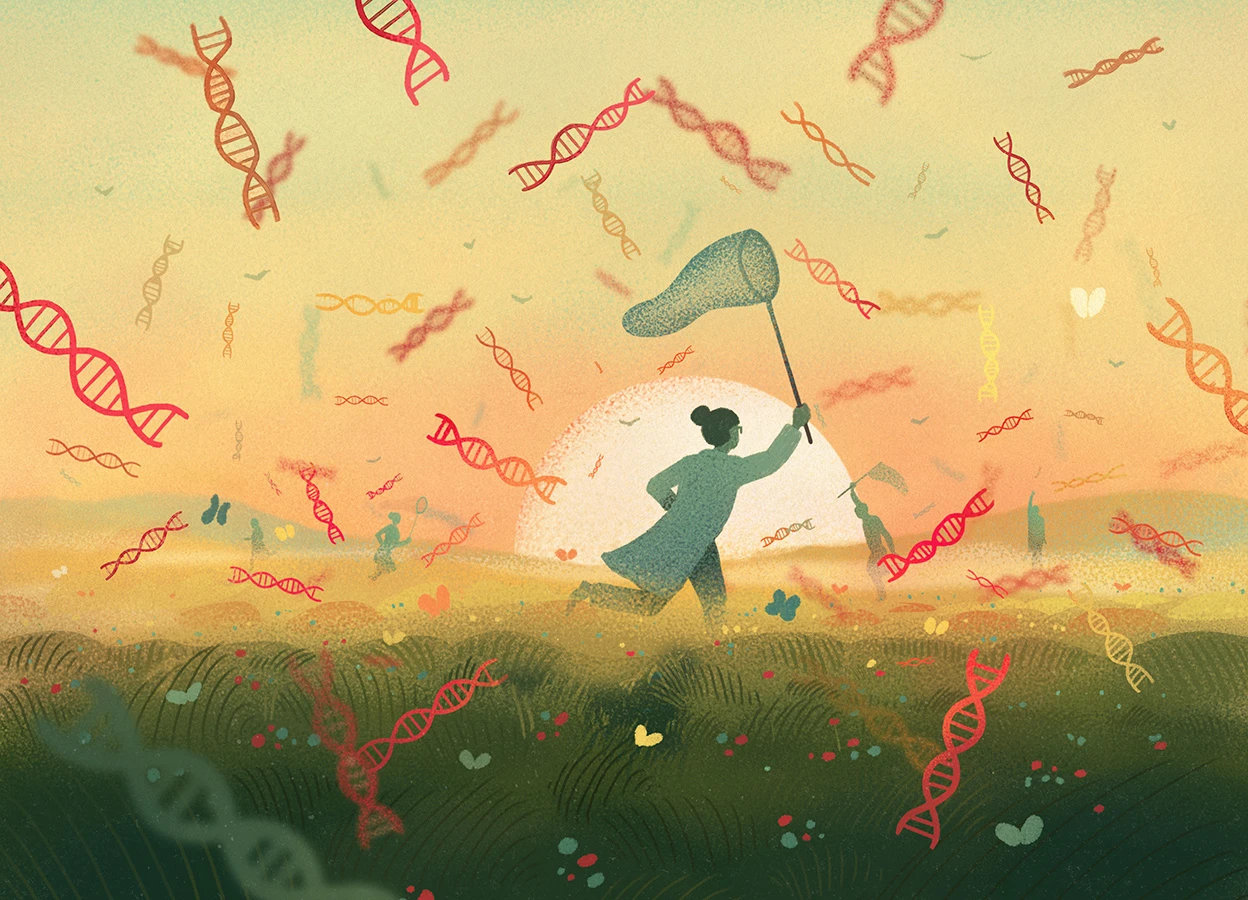
The air around us is far from empty; it is a dense, invisible soup of biological information known as environmental DNA (eDNA). Every time a living creature breathes, scratches its skin, or sheds a feather, it releases cellular material into the atmosphere. While researchers have long extracted genetic blueprints from soil and water, they are now unlocking the sky as a dynamic source of ecological data. By capturing these “clouds of DNA,” scientists can now paint a comprehensive picture of an ecosystem’s inhabitants without ever seeing them. This technique was vividly demonstrated when researchers “sniffed out” the presence of tigers and dozens of other species simply by sampling the air at a zoo, proving that terrestrial biodiversity can be monitored rapidly and remotely.
The potential applications for this technology are vast and transformative. For conservationists, airborne eDNA serves as a high-tech census tool, picking up small, nocturnal, or rare organisms that traditional human observers often miss. This allows for a quantitative measure of forest restoration success and the early detection of invasive species before they become established. Furthermore, the field of biosecurity is leveraging these “cellular winds” to detect crop pathogens weeks before symptoms appear, potentially reducing the need for heavy pesticide use. In more specialized settings, scientists have even tapped into decades-old air filters—originally designed for nuclear radiation monitoring—to reconstruct 70 years of ecological history, tracking how climate change and land management have shifted entire species populations over time.
However, the power of this “total read-out” comes with significant technical and ethical hurdles. Interpreting airborne genetic signals is complex, as DNA can travel kilometers on strong winds or linger for days on dust particles, making it difficult to pinpoint exactly when or where an organism was present. More controversially, the collection of airborne DNA inevitably nets “human genomic by-catch.” Because current sequencing technology is sensitive enough to reveal an individual’s ancestry or genetic disorders from a stray breath, many scientists are calling for an urgent moratorium on human eDNA studies until strict privacy protections are established. As forensic experts explore air samples as tools to identify individuals at crime scenes, the scientific community remains focused on ensuring that these ethical concerns do not overshadow the immense promise of using the air to safeguard the planet’s biodiversity.
Source: Nature.com
>> Read the full article on Nature.com
More articles about Bio, Art & Science:
The Architecture of Memory: Project Hail Mary and Synthetic Resilience
The Future of Chocolate Might Not Come from a Tree
Discover more Bioscience news: