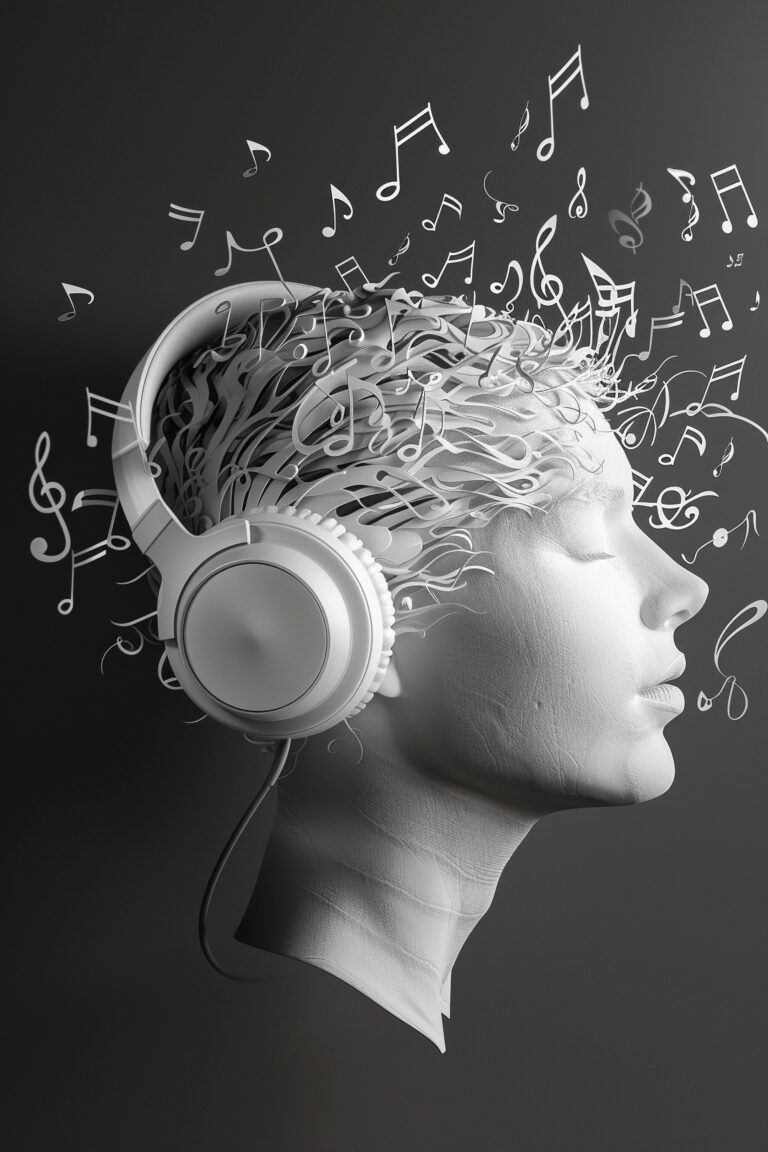
What if humanity’s obsession with music is more than culture or entertainment? From calming lo-fi playlists to emotionally charged concerts, emerging bioscience research suggests our attraction to rhythm and melody may be deeply embedded within the human brain – and possibly part of our biological design.
Music has never been more personalized, ambient, or emotionally functional than it is today. Open any streaming platform and the categories are no longer organized only by genre, but by emotional state: “focus,” “sleep,” “calm,” “healing,” or “study.” Lo-fi playlists run endlessly in the background of workdays. Ambient music has moved from niche subculture into mainstream listening habits. Concerts and festivals increasingly market themselves as immersive emotional experiences rather than simply performances.
These trends may reflect more than changing taste. Emerging bioscience research suggests humans could be biologically predisposed to respond to music in profound ways.
A recent study by music cognition researcher Henkjan Honing at the University of Amsterdam argues that humans are fundamentally “musical animals,” and that musicality is rooted in biology, not only culture. The research, published in Current Biology, points to evidence that infants can recognize rhythm and melodic patterns long before they acquire language. Honing notes that these abilities “emerge spontaneously,” suggesting humans may be born with biological sensitivities to structured sound. (Universiteit van Amsterdam)
The idea does not mean humans are born musicians in the artistic sense. Rather, it suggests the brain may already be wired to process rhythm, pitch, movement, and emotional sound patterns. Researchers increasingly describe musicality as a collection of ancient cognitive systems connected to perception, emotion, and motor coordination.
This perspective makes current music trends feel less surprising. The popularity of calming playlists, immersive audio environments, and emotionally driven listening habits may partly reflect how deeply music interacts with human biology. In many cases, people no longer use music only for entertainment. They use it to regulate mood, reduce stress, concentrate, or create emotional atmosphere throughout the day.
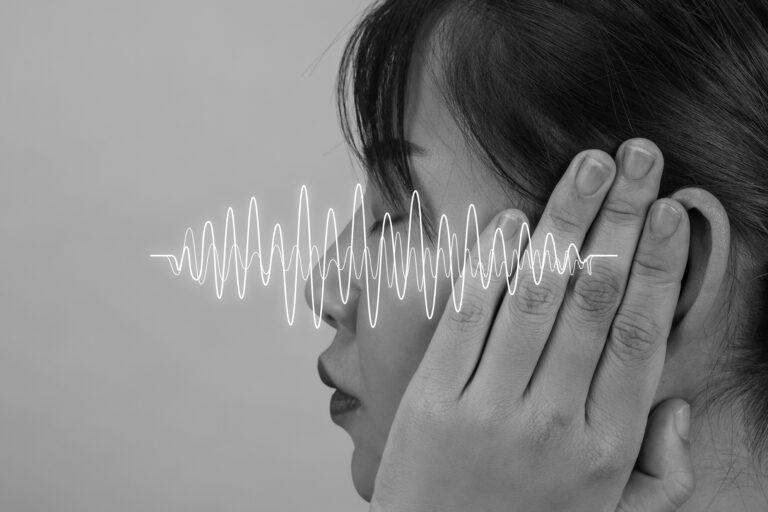
Recent medical research is beginning to examine these effects more seriously. Researchers at the Mount Sinai Health System recently introduced the concept of “social music” as a wellness intervention built around shared musical experiences. The study explores how collective musical participation – including movement, call-and-response, and communal listening – may support emotional wellbeing and social connection. (Mount Sinai Health System)
Importantly, the researchers avoid framing music as a miracle cure. Instead, they describe music as a meaningful social and emotional tool that may influence health outcomes when integrated into communities and healthcare settings. (Mount Sinai Health System)
This emerging connection between music and bioscience helps explain why music persists across every culture and historical era. Streaming algorithms and digital platforms may have changed how humans access music, but they have not reduced its emotional importance. If anything, modern listening habits reveal how instinctively people continue turning to rhythm and melody not only to manage emotion, but also to explore identity, memory, and connection.
Music may survive every technological shift because it is not simply a cultural product. It may be part of human nature itself.
Read Art & Science Articles:
Working on neuroscience research?
Discover our human-relevant organoid models to study brain development, neurological disorders, and translational drug responses research: