As biotechnology moves beyond the laboratory, it raises culture & ethical questions that science alone cannot resolve. ODCF 2026 brings those questions into art, film, performance and conversation — creating a space where researchers, artists and audiences can explore what emerging biotechnologies may mean for society, ethics and our relationship with other forms of life.
Beyond the Lab. Beyond the Conference
The annual Organoid Developer Conference (ODC) brings together researchers and professionals working across organoids, new approach methodologies and emerging biotechnology. At ODC26, the theme “Mirrors: The Reflective Turn” asks how these technologies are changing research and translation.
ODCF takes that reflection one step further: into culture.
Biotechnology increasingly raises questions that data alone cannot resolve. Who owns cells that remain alive after a person dies? What responsibilities come with our growing ability to reconstruct or manipulate living systems?
Under the subtitle “Rehearsal for a World Yet to Come”, ODCF explores such questions through exhibitions, film, performance, talks and conversation.
ODCF is not simply an extension of ODC26. It is a change of medium. Where the scientific conference works through evidence and technical discussion, ODCF creates space to explore what these discoveries might mean once they become part of everyday life.
Event Information: The Doors are Opened
If you’re a biotech professional and/or an arts enthusiast, don’t miss your chance joining the incoming events of the Organoid Developer Conference: ODC26 and ODCF in Seoul this September:
ODC26 — Mirrors: The Reflective Turn
- Date: 17–18 September 2026
- Venue: CHA Bio Complex, Pangyo
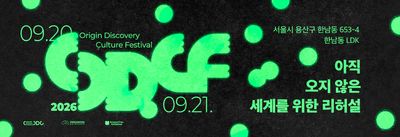
ODCF 2026 — Rehearsal for a World Yet to Come
- Date: 17–18 September 2026
- Venue: CHA Bio Complex, Pangyo
Art as a Medium for Biotechnology’s Future
Biotechnology gives us new ways to observe, model and intervene in living systems. Art offers another way to ask what those capabilities could mean for society.
Through bioart and speculative design, ODCF turns emerging scientific possibilities into experiences that can be encountered, questioned and interpreted. The aim is not simply to explain biotechnology to non-scientists, but to make possible futures tangible enough to discuss.
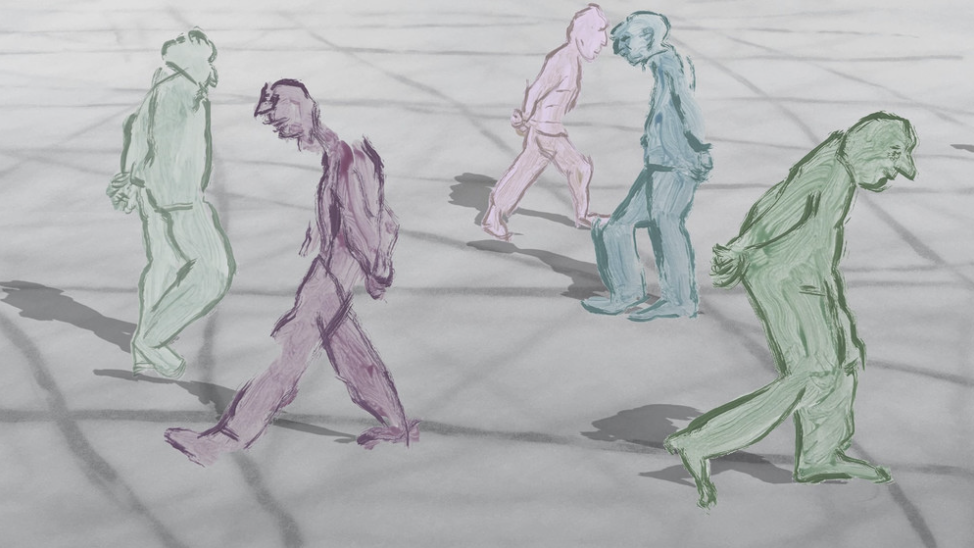
This dialogue also echoes ODC26, where art and design already enter conversations around brain signals, life science and cultivated futures. At ODCF, those questions move beyond the conference room, giving scientists, artists and audiences a shared space to imagine—not necessarily agree on—the worlds biotechnology may help create.
Animal-Free: Why the Transition Matters
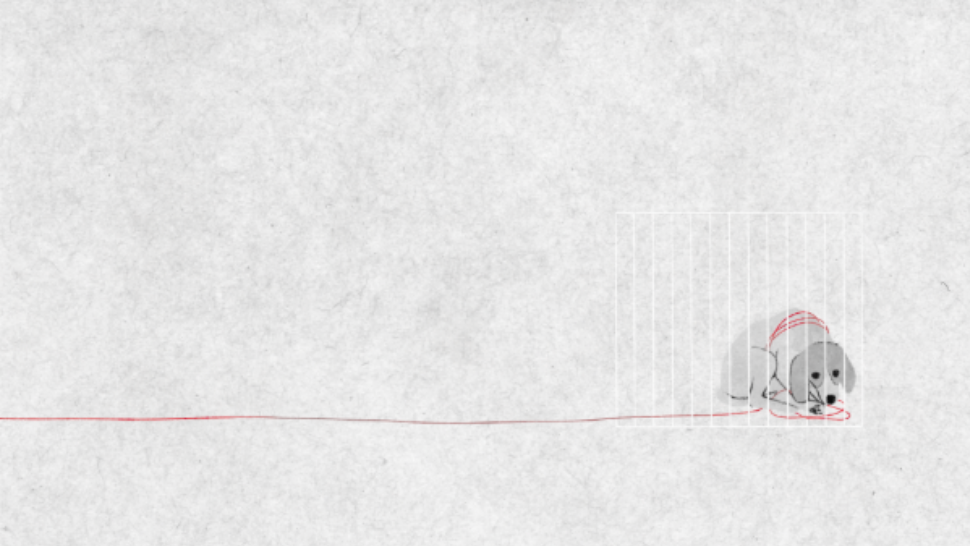
Animal-free science is often framed through technical questions: can alternative models improve human relevance, reproducibility and regulatory acceptance?
While ODC26 addresses these issues directly through sessions on alternatives to animal testing and human-relevant science, ODCF complements that discussion through the AFI International Animal Film Festival, where films and conversations explore human–animal relationships, coexistence and the values underlying scientific practice.
The two perspectives reinforce one another: ODC26 asks how animal-free approaches can work; ODCF creates room to consider why the transition matters.
A Broader Space for the Scientific Community
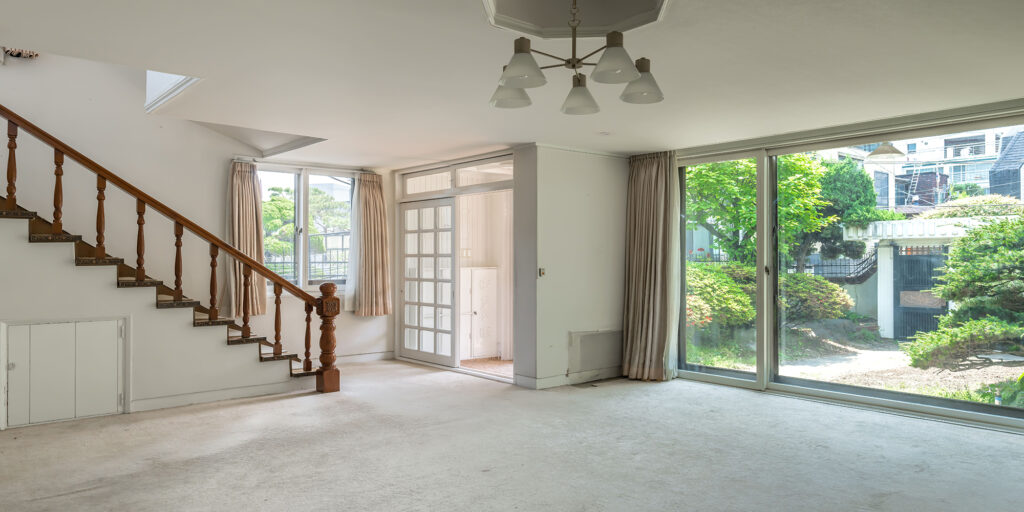
ODCF is held at LDK Hannam, a house-like cultural venue where talks, exhibitions, screenings, lounges and communal spaces coexist.
The intention is to make interdisciplinarity physical: researchers, artists, filmmakers and audiences move through the same environment and meet outside formal sessions.
Aiming for more than awareness, ODCF creates a popup community where biotechnology can be discussed simultaneously as a scientific, ethical, artistic and social development.
Read more articles on Bio, Art & Science
Design of the Unusual: When Growth Becomes a Way of Making
You Are a Coral Reef: The Body Is a Habitat
Togetherness: From Living Systems to Cellular Societies
Notes and Neurons: When a Concert Becomes a Brain Experiment
AI versus Human: Can Machines Learn Like We Do?