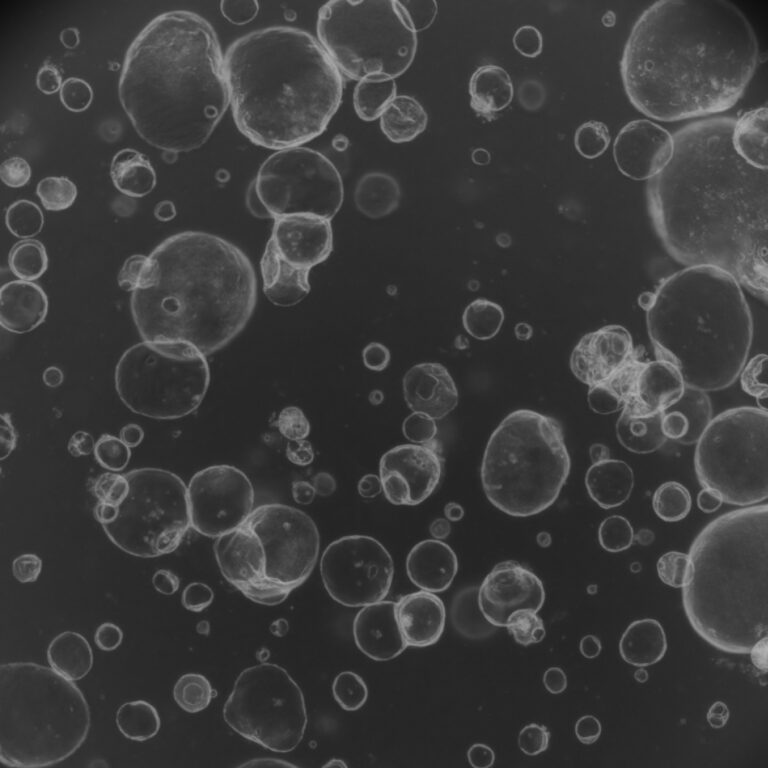
Advancing Neoadjuvant Therapy Testing with Patient-Derived Breast Cancer Models
Journal: Science Translational Medicine
Author: Stefan J. Hutten et al.
Revolutionary patient-derived organoid study classifies oral cancers into three morphological subtypes (normal-like, dense, and grape-like), correlating with genomic profiles and patient outcomes, potentially transforming treatment approaches for this aggressive disease.
Targeting Small Cell Lung Cancer Through Subtype-Specific Vulnerabilities
Journal: Science Translational Medicine
Author: Amanda Luvisotto et al.
Small cell lung cancer (SCLC) is a highly aggressive and heterogeneous disease driven by distinct molecular subtypes defined by key transcription factors, each with unique therapeutic dependencies and resistance mechanisms. Understanding these subtype-specific pathways – along with tumor plasticity and epigenetic regulation – reveals new opportunities for personalized and more durable treatments, including targeted and epigenetic-based strategies.
A Human-Specific Enhancer Drives Brain Expansion via Chromatin Architecture
Journal: Cell Stem Cell
Author: Mosti F, Liu J, Lam K et al.
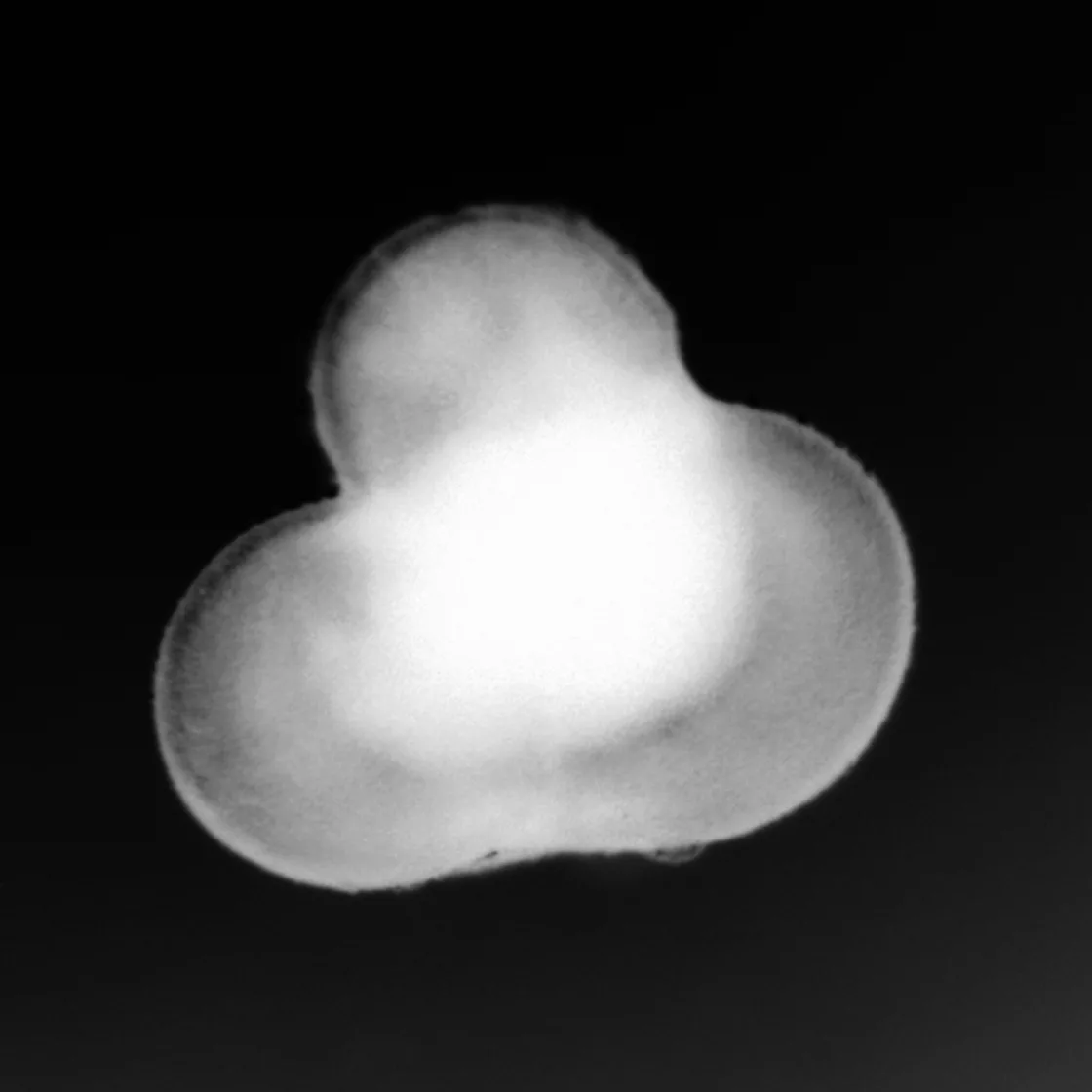
A human-specific enhancer, HAR1984, promotes neurogenesis and cortical expansion by regulating gene expression through species-specific chromatin interactions, as shown in organoids and mouse models. It enhances expression of key genes like ETV5 and TRA2B via chromatin looping and a positive feedback mechanism, revealing how genetic changes contribute to human brain evolution.
Tumours Exploit Extracellular Glutathione as a Cysteine Source
Journal: Nature
Author: Hecht, F., Zocchi, M., Tuttle, E.T. et al.
Tumours rely on extracellular glutathione (GSH) as a reservoir of amino acids, particularly cysteine, to sustain growth under nutrient-limited conditions. Blocking GSH breakdown via γ-glutamyltransferase inhibition reduces cysteine availability and slows tumour progression, revealing a new therapeutic strategy targeting tumour metabolism.