Delivery of Prime editing in human stem cells
Journal: Nature Communications
Author: Thibaut Halegua et al., France
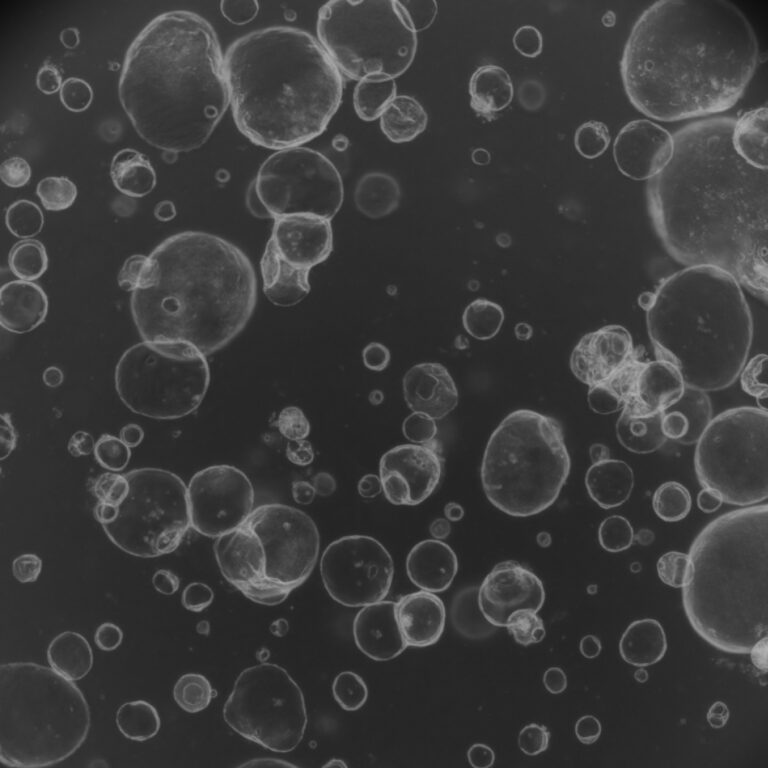
Novel NanoScribes particle system enables efficient prime editing in human stem cells.
Development of virus-like particles for delivering prime editing components achieves up to 68% editing efficiency in HEK293T cells and 25% in stem cells.
Comprehensive genomic characterization of early-stage bladder cancer
Journal: Nature Genetics
Author: Frederik Prip et. al, Denmark
Multi-omics analysis reveals genomic instability patterns in non-muscle invasive bladder cancer.
The study analyzed 438 NMIBC cases using multi-omics approach, identifying WGD in 15% of tumors linked to poor outcomes and revealing key roles of genomic instability in disease progression.
ABCF1-K430-Lactylation in HCC”
Journal: Cell Death & Differentiation
Author: Han Hong et. al, China
Novel lactylation mechanism of ABCF1 promotes liver cancer progression through HIF1 pathway
Study identifies ABCF1-K430la as prognostic marker in HCC, revealing its role in cancer progression through KDM3A-H3K9me2-HIF1A axis activation and identifying tubuloside A as potential therapeutic.
Intratumoral mRNA vaccine administration
Journal: Cell Discovery
Author: Renhao Li et. al, China
Novel cancer immunotherapy strategy using intratumoral mRNA vaccines leverages existing pathogen immunity.
This researchs uses the innovative approach of the COVID-19 vaccine technology for cancer treatment, showing promising results in solid tumors, particularly effective when combined with anti-PD-L1 therapy.