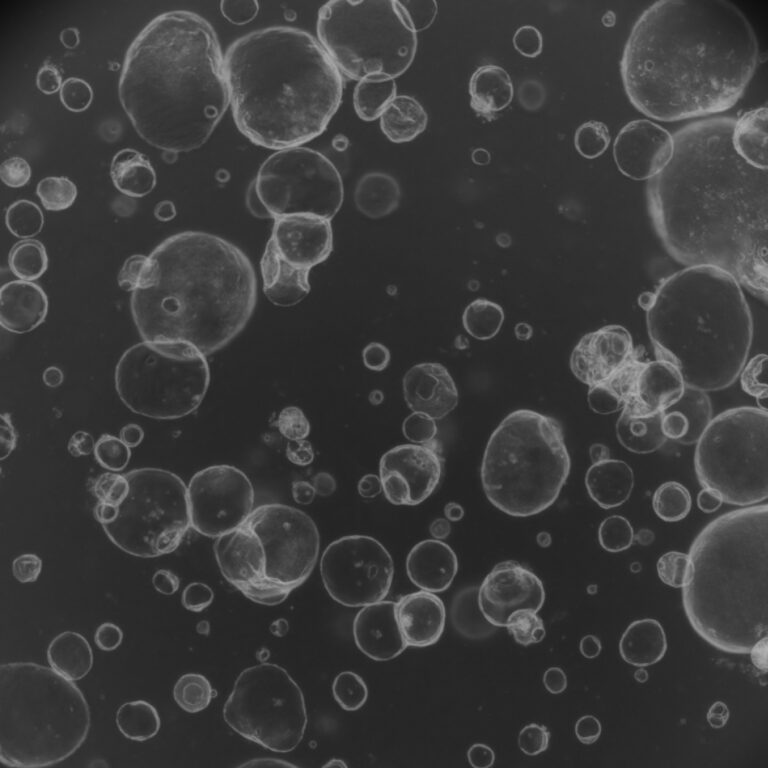
The study investigates the modulation of ACE2 expression, a key receptor for SARS-CoV-2, to combat COVID-19. Using human embryonic stem cell-derived islet organoids, animal models, and COVID-19 patient data, researchers discovered that fibroblast growth factor 7 (FGF7) enhances ACE2 expression in islets, leading to increased susceptibility to SARS-CoV-2 infection and impaired insulin secretion. They found that FGF7 interacts with FGF receptor 2 (FGFR2) and FGFR1 to upregulate ACE2 expression predominantly in β cells. Inhibiting FGFR counteracted FGF7-induced ACE2 upregulation, reducing viral infection and replication in islets. Clinical data showed diabetic patients with severe COVID-19 symptoms had elevated serum FGF7 levels. Animal experiments revealed SARS-CoV-2 infection increased pancreatic FGF7 levels, reducing insulin concentrations. The study suggests controlling FGF7 as a potential strategy to regulate ACE2, protecting islets from SARS-CoV-2 infection and preventing diabetes progression in COVID-19.
Keywords: Human islet organoids, ACE2 expression, SARS CoV-2, diabetes