
Advancing K-Beauty with Skin Organoids: A Next-Generation Platform for Non-Animal Testing and High-Precision Cosmetic Innovation With the global rise of K-beauty, the cosmetics industry continues to grow steadily. Since the ban on animal testing for cosmetics in Korea in 2017, various alternative testing methods have been adopted. However, many of these approaches have limitations in replicating the complexity of human skin physiology. The emergence of skin organoids has provided a...

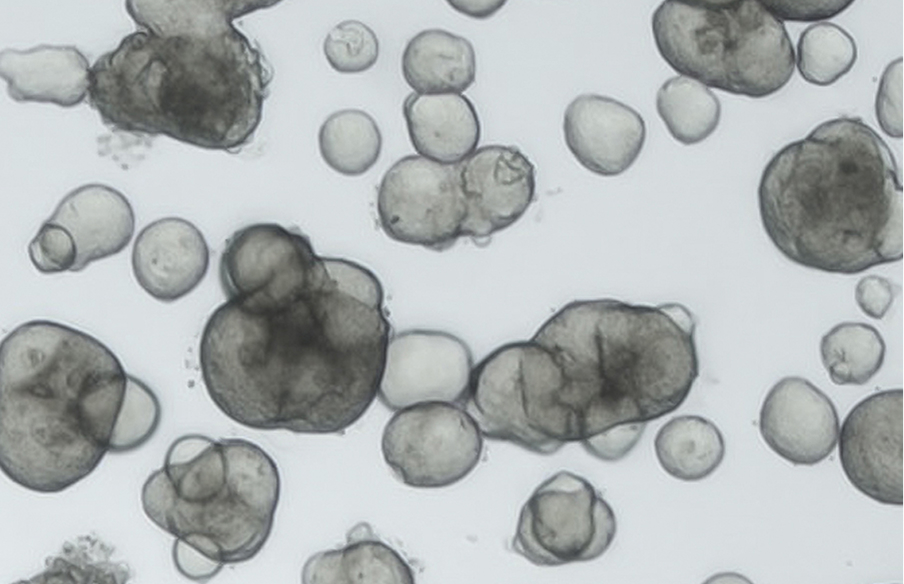
Traditional microscopy methods often require fluorescent labeling to analyze cellular structures, which can be time-consuming and invasive. In contrast, our HT-X1 system allows for high-resolution visualization of cellular morphology without the need for any labeling, offering a clear advantage in live-cell imaging. To validate this capability, we conducted an organoid-based analysis using intestinal organoids. Among various organoid types, intestinal organoids are known to closely replicate the functional structure of the...

Traditional protein analysis has primarily focused on quantifying expression levels within tissue samples. However, recent advances in spatial analysis techniques have shifted attention toward evaluating not only expression levels, but also the spatial distribution, density, and proximity between proteins. While this approach is already widely adopted in international research, it remains relatively underutilized in Korea, making it challenging to apply in domestic studies. Thanks to Lambda Biologics, which became the...

We conducted a study focused on identifying disease-related markers using patient-derived tissue samples. However, traditional methods limited our ability to analyze multiple candidate markers simultaneously, and the limited availability of clinical samples posed a consistent challenge. By utilizing Lambda Biologics’ Multiplex Marker Analysis service, we were able to detect the expression of 31 markers on a single slide, enabling more comprehensive analysis while conserving precious tissue samples. This significantly enhanced...

Gastric cancer is one of the leading causes of cancer-related mortality worldwide. It is a malignant solid tumor characterized by poor prognosis due to difficulties in early diagnosis and its rapid progression. Unlike many other solid tumors that primarily metastasize via lymphatic or hematogenous routes, gastric cancer most commonly spreads through the peritoneum. Peritoneal metastasis is associated with particularly poor outcomes and marked resistance to treatment, highlighting the urgent need...

Breast cancer is one of the most commonly diagnosed cancers among women worldwide. It is a complex and heterogeneous disease, with its progression and treatment response varying significantly depending on factors such as hormone receptor status, HER2 expression, and genetic background. Breast cancer is typically classified based on the expression of three major biomarkers: estrogen receptors (ER), progesterone receptors (PR), and HER2. Among these, tumors that do not express any...

Gastric cancer is one of the leading causes of cancer-related mortality worldwide. It is a malignant solid tumor characterized by poor prognosis due to difficulties in early diagnosis and its rapid progression. Unlike many other solid tumors that primarily metastasize via lymphatic or hematogenous routes, gastric cancer most commonly spreads through the peritoneum. Peritoneal metastasis is associated with particularly poor outcomes and marked resistance to treatment, highlighting the urgent need...
Our newly developed drug differs from previously known therapeutics in that it directly penetrates various tumor tissues to exert its efficacy. Therefore, it was essential to analyze the drug’s penetration within the tumor microenvironment. To evaluate this, we conducted permeability testing in a co-culture system of tumor organoids and cancer-associated fibroblasts (CAF). This approach allowed us to determine the optimal drug concentration required for effective therapeutic action. As a result,...

We have been developing products utilizing various bacterial strains and have explored multiple methods to evaluate the efficacy of our developed strains. However, due to the nature of obligate anaerobic bacteria, there were significant limitations in applying conventional in vitro efficacy evaluation methods. To overcome these challenges, we explored different testing approaches and discovered the ODISEI platform. Through this platform, we confirmed that organoids enable the effective analysis of obligate...