RNA-triggered cell killing with CRISPR–Cas12a2
Journal: Nature
Author: Scholz, P., Germany, Thompson, J., Crosby, K.T. et al., USA
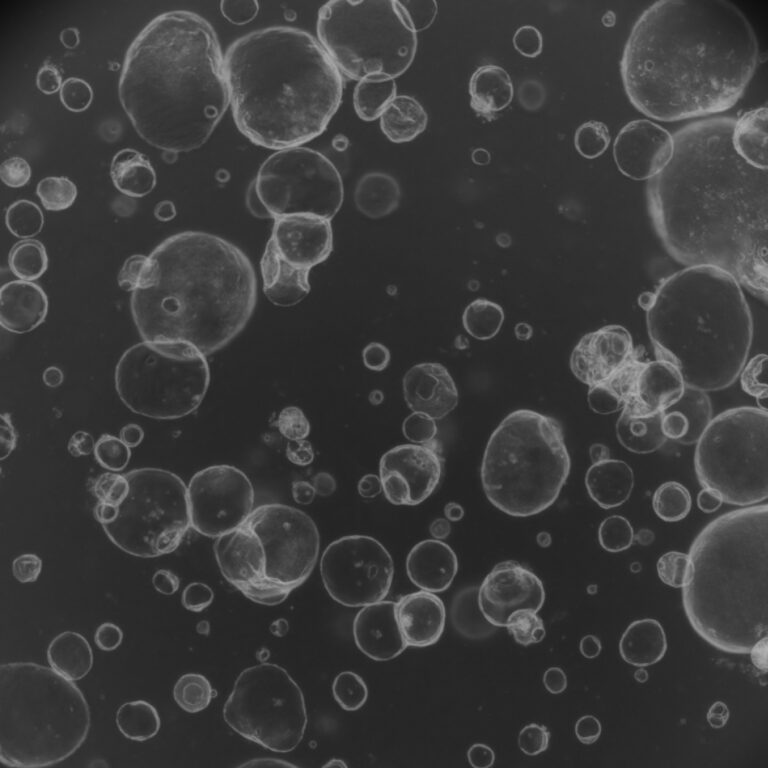
CRISPR–Cas12a2 enables programmable eukaryotic cell elimination by triggering trans-DNA shredding upon detecting specific target transcripts. This tool selectively kills cells based on their transcriptional profile—including those harboring viruses or oncogenic mutations—without off-target activation, expanding the CRISPR toolbox for medicine and biotechnology.
Navigating Interdisciplinary Care for Tumor-Infiltrating Lymphocyte Therapy in Melanoma
Journal: Pharmacy Practice in Focus: Oncology
Author: Rebekah R. Dyer et al. USA
Lifileucel is the first FDA-approved cellular therapy for metastatic melanoma, utilizing expanded tumor-infiltrating lymphocytes (TILs). Treatment requires intense interdisciplinary coordination for tumor harvesting, lymphodepletion, and IL-2 support. Recent five-year data shows durable responses, offering a vital new option for patients following immunotherapy progression.
Vascular STING activation facilitates NK cell anti-tumor immunity in small cell lung cancer
Journal: Cancer Cell
Author: Campisi M, Osaki T, Dryg I, et. al. USA
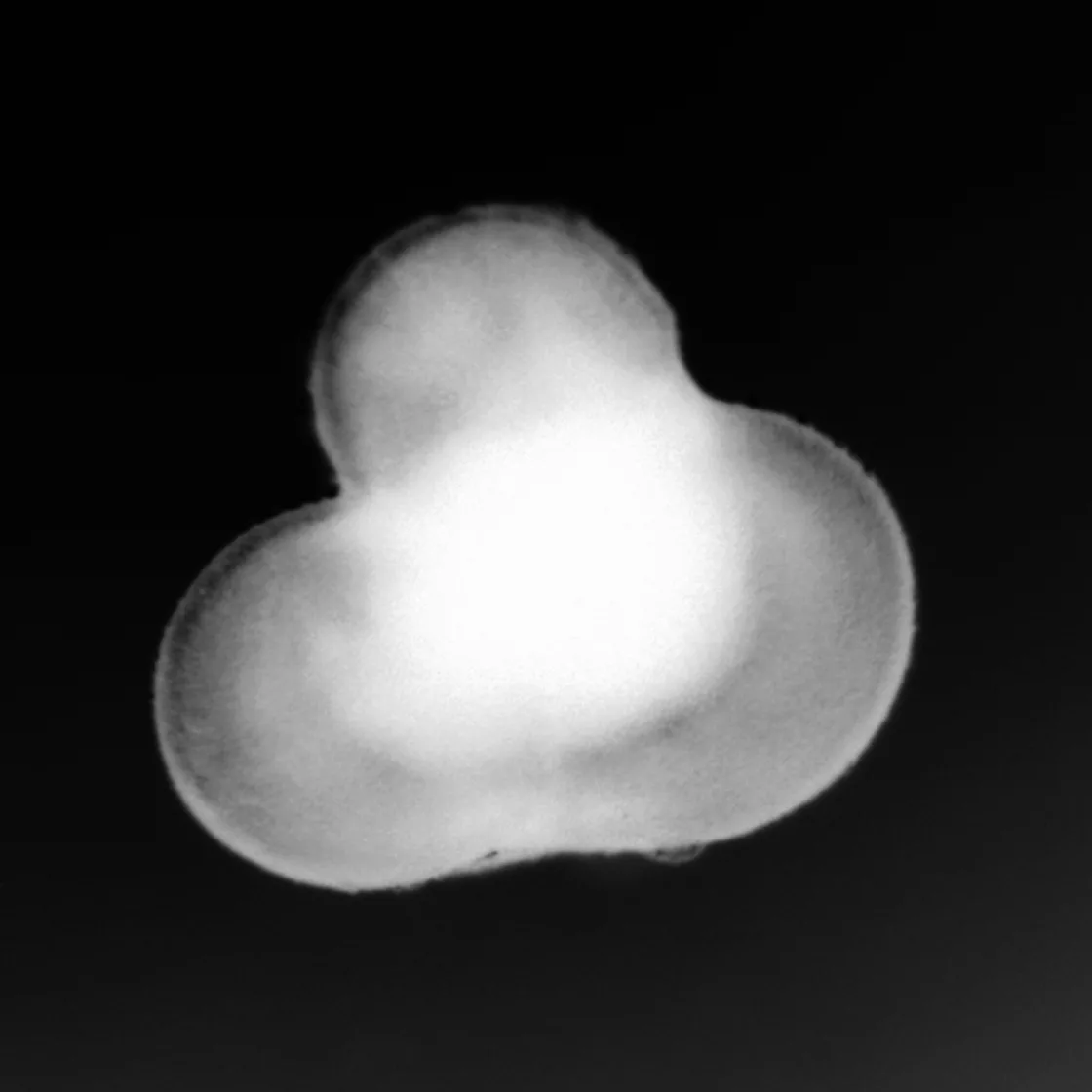
Neuroendocrine small cell lung cancer (SCLC) evades MHC-I-mediated detection but remains vulnerable to NK cells. Despite this, NK cells are spatially excluded from tumors. This study identifies vascular STING activation as a critical gatekeeper, capable of restoring NK infiltration and enhancing CAR-NK therapy efficacy.
Activated T cell extracellular vesicle DNA transfer enhances antigen presentation and anti-tumor immunity
Journal: Cancer Cell
Author: Shimizu T, Miyoshi M, Kakinuma S, et al., Japan
Activated T cell-derived extracellular vesicles (ATEVs) enhance anti-tumor immunity by transferring double-stranded genomic DNA to recipient cells. This non-viral mechanism triggers transient expression of antigen-processing machinery, restoring immunosurveillance and synergizing with checkpoint blockades to overcome immunotherapy-refractory tumors while effectively limiting autoimmunity.