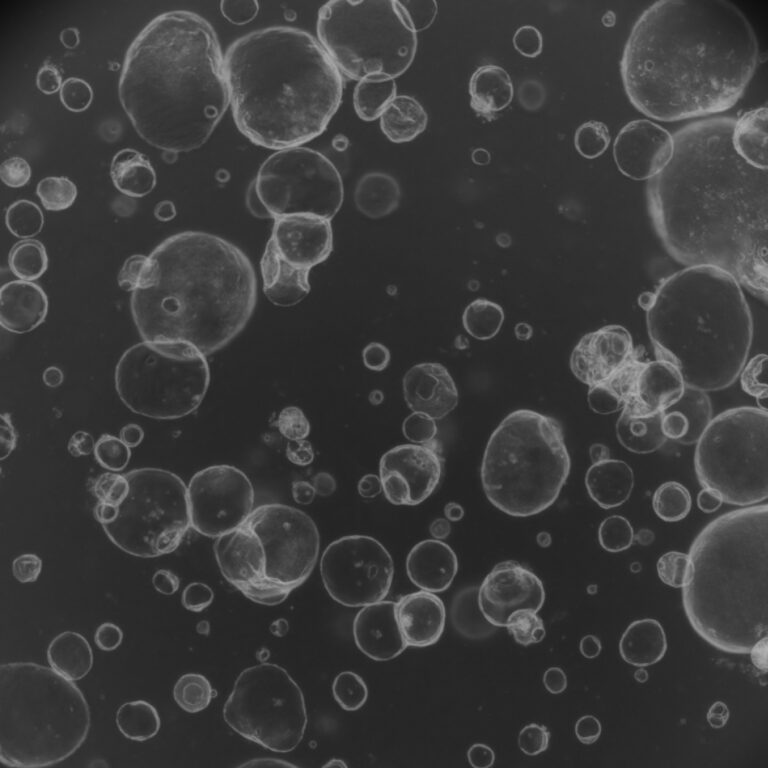
Engineered Stem Cells Reprogram Immunity from the Bone Marrow
Journal: Cell Stem Cell
Author: Shuyue Xu, Jingwen Xu, Qiqi Yang et al., China
This study develops engineered mesenchymal stem cells that selectively target the bone marrow while avoiding tumors, enabling localized delivery of immunomodulatory signals. By protecting hematopoietic cells during chemotherapy and boosting systemic immunity without promoting tumor growth, this approach reframes cancer treatment as precise, system-wide immune regulation.
Immature Immune Cells in Colorectal Tumors Skew Toward Killer Phenotypes
Journal: Nature Communications
Author: Marchalot, A., Ljunggren, M., Stamper, C. et al., Sweden
This study shows that colorectal tumors, including those with peritoneal metastases, are enriched with immature innate lymphoid cells that preferentially differentiate into ILC1 and tissue-resident NK-like cells, while protective ILC3 populations are depleted. These findings reveal a shift in the tumor immune environment and highlight potential targets for ILC1- and NK cell–based immunotherapies.
Cancer-Driven Immune Response Can Trigger Autoimmunity
Journal: Nature
Author: Kleeman, S.O., Michalski, K., Zhao, X. et al., USA
This study shows that abnormal expression of NMDA receptors in tumors, such as triple-negative breast cancer, can activate and mature pre-existing germline antibodies, linking anti-cancer immunity to autoimmune responses. While these antibodies may aid immune surveillance against tumors, their evolution can also trigger neurological autoimmunity, revealing a trade-off between cancer defense and neurotoxicity.
AI Cuts Workload in Breast Screening but Raises Recall Rates
Journal: Nature Medicine
Author: Elías-Cabot, E., Romero-Martín, S., Raya-Povedano, J.L. et al., Spain
In this noninferiority trial of over 31,000 women, AI-assisted screening safely reduced radiologist workload by over 60% and increased cancer detection rates compared to standard double reading. However, this approach also led to higher recall rates, highlighting a trade-off between efficiency and potential over-calling in breast cancer screening workflows.