Meet us at AACR 2026 - April 17-22 - TME Interplay with Organoids
Intestinal Fibrosis

Intestinal Fibrosis Model Using Intestinal Organoids

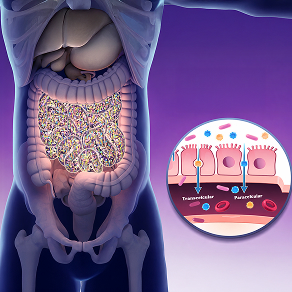
A pathological intestinal fibrosis model characterized by fibroblast activation and excessive extracellular matrix accumulation, resulting in tissue stiffening and structural deformation with activation of fibrosis-related signaling pathways.

This platform enables human-based in vitro evaluation of antifibrotic candidate compounds.

Challenges

Intestinal fibrosis is a major complication of chronic inflammatory bowel diseases, particularly Crohn’s disease. Progressive fibroblast activation and excessive extracellular matrix (ECM) deposition lead to tissue stiffening, luminal narrowing, and ultimately stricture formation.

Despite advances in anti-inflammatory biologics, effective antifibrotic therapies remain an unmet clinical need, partly due to the lack of predictive human-relevant preclinical models.

Intestinal Organoids Model

Intestinal Fibrosis

Our human intestinal organoid–based fibrosis model recapitulates key pathological hallmarks of intestinal fibrogenesis in vitro:

  • Sustained fibroblast activation and myofibroblast differentiation
  • Excessive collagen and ECM protein deposition
  • Measurable tissue stiffening and architectural distortion
  • Activation of canonical fibrosis signaling pathways (e.g., TGF-β–associated cascades)

By integrating epithelial organoids with stromal components, this platform reconstructs multicellular interactions that drive fibrotic remodeling in human intestine.

Discuss Your Intestinal Barrier Recovery Research

Our scientists will help design a human-relevant disease modeling study.

Related Solutions

Organoid Service
Organoid Service
Research Service
Research Service

Key Readouts


The model supports multi-layered characterization:

  • Immunofluorescence quantification of α-SMA and collagen I/III
  • Transcriptomic profiling of fibrosis-related genes
  • ECM remodeling and matrix composition analysis
  • Functional assessment of tissue stiffness
  • Drug-response profiling of antifibrotic candidates

Discuss Your Intestinal Fibrosis Research

Our scientists will help design a human-relevant disease modeling study.

Impact

  • Accelerated Discovery

    Enables rapid screening of antifibrotic candidates in a human intestinal organoid system reflecting fibroblast activation and ECM remodeling.
  • Predictive Modeling

    Recapitulates key hallmarks of tissue stiffening and structural distortion, improving translational confidence beyond inflammation-only assays.
  • Mechanistic Insight

    Supports pathway-level validation and biomarker identification associated with intestinal fibrogenesis.
  • Pipeline De-risking

    Facilitates early go/no-go decisions for therapies targeting complications of Crohn’s disease and related chronic disorders.

Ready to evaluate intestinal fibrosis in a human-based system?

Human-relevant disease modeling services by Lambda Biologics

Read Other Case Study

Thank you for your insterest

You can now download the file.

Connect with Us