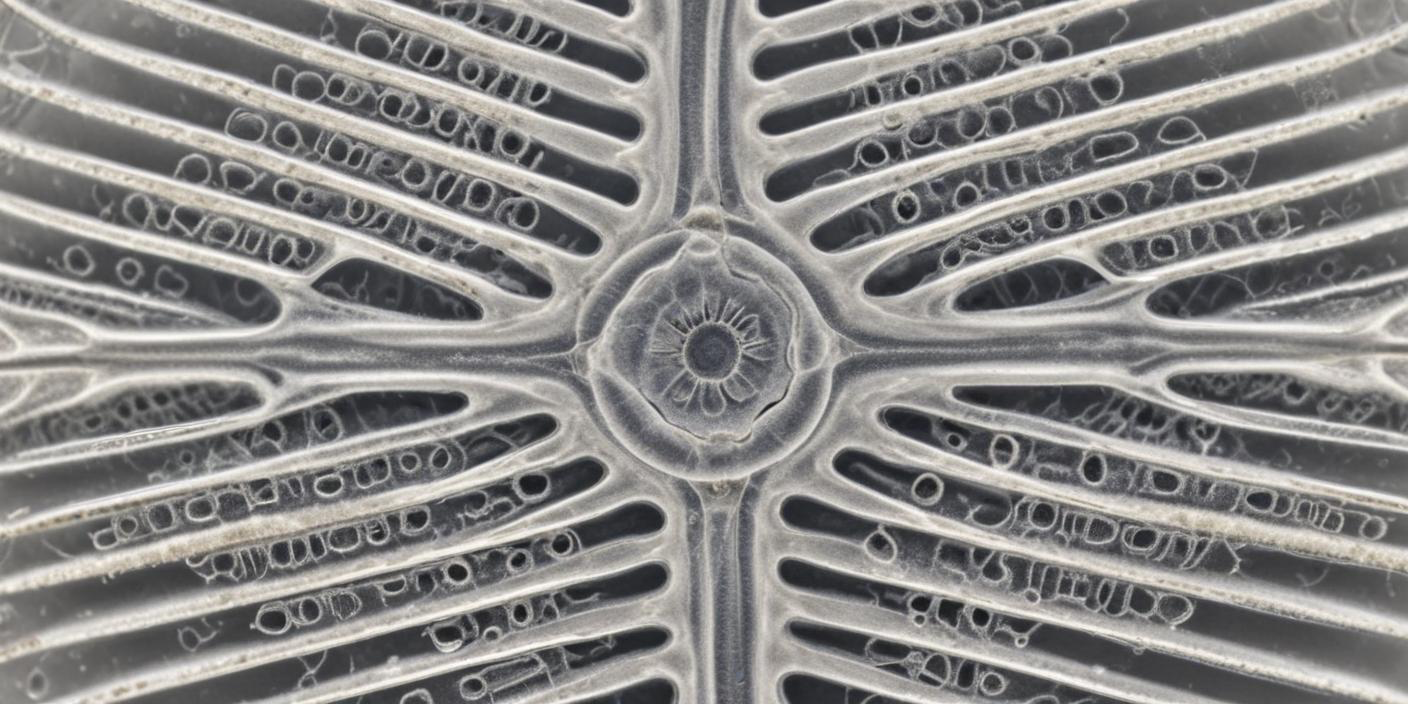
Some of the most sophisticated architectural designs on Earth are invisible to the naked eye.
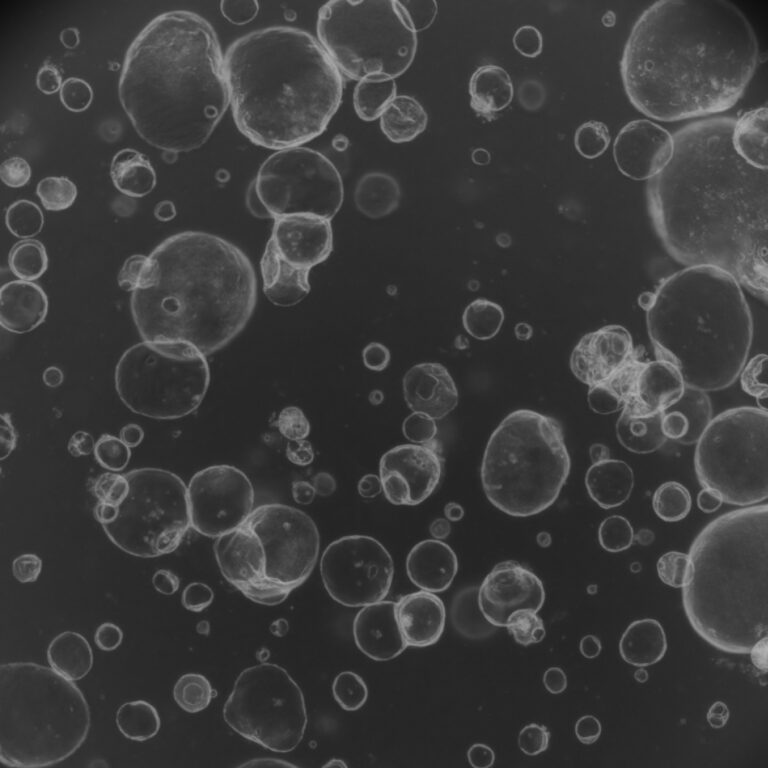
Under a microscope, diatoms — single-celled algae found throughout marine and freshwater ecosystems — reveal intricate silica shells composed of pores, lattices, and repeating geometric patterns. Their structures would not look out of place on the facade of a contemporary museum or the roof of a modern pavilion. Yet these designs emerged not from architects or engineers, but from millions of years of evolution refining structures for strength, transport, and efficiency rather than aesthetics alone [1].
This philosophy lies at the heart of biomimetic architecture, a discipline that asks a simple question: rather than forcing solutions onto nature, what if we learned from the solutions nature has already developed?
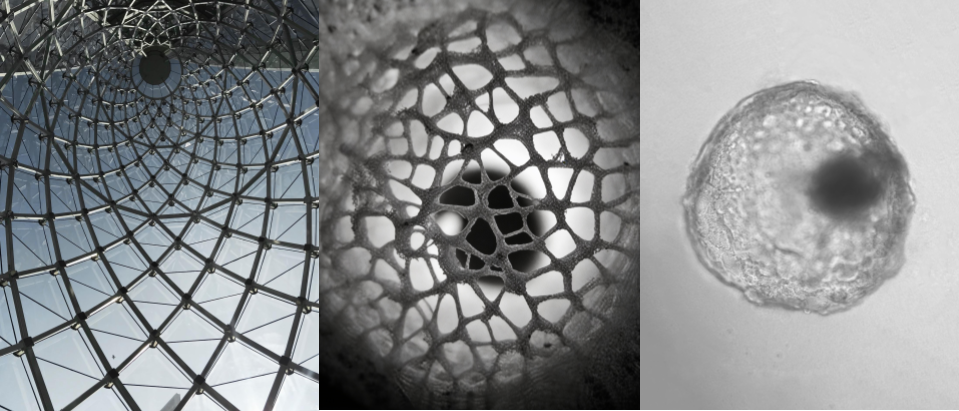
Modern architects increasingly borrow strategies first perfected by biological systems. Buildings have adopted passive ventilation principles inspired by termite mounds, while lightweight lattice structures and porous façades mimic natural systems optimized for material efficiency and environmental performance [2,3]. The objective is not merely visual inspiration, but engineering optimization — achieving more with less material, less energy, and greater resilience.
Surprisingly, tissue engineers are now confronting many of these same design challenges.
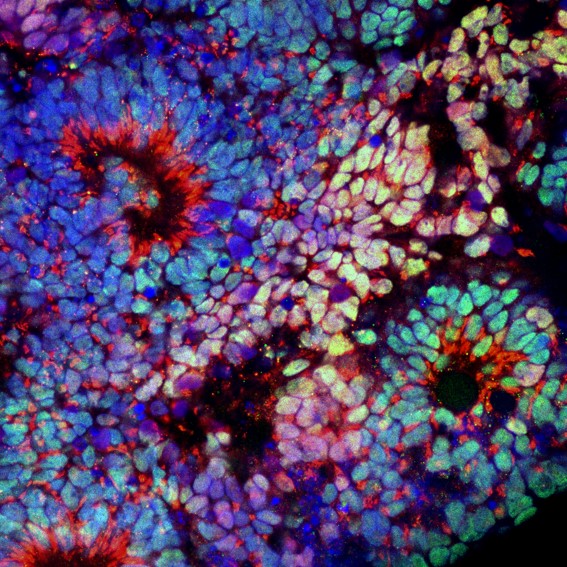
A successful tissue scaffold must provide structural support while remaining sufficiently porous for oxygen, nutrients, and signaling molecules to reach every cell. Too dense, and cells become starved of resources; too porous, and the tissue loses mechanical integrity. In many ways, designing living tissue becomes an exercise in architecture at the microscopic scale. Scaffold porosity, permeability, and internal geometry are now recognized as key determinants of tissue survival and function [4–6].
The same principle extends to organoid systems. Although organoids possess an extraordinary ability to self-organize, their development remains heavily influenced by the environments in which they grow. Increasingly sophisticated scaffold materials are being developed to provide not only structural support but also the biochemical and mechanical signals that guide tissue maturation and organization [5,6].
Perhaps this is the most remarkable lesson biology offers both architecture and bioengineering: the most successful structures are rarely built through force alone. Instead, they emerge from carefully balanced relationships between form, function, and environment.
From microscopic diatoms to regenerative medicine, nature has spent hundreds of millions of years refining these design principles.
We may only now be beginning to read its blueprints.
References:
[1] Musenich L, Origo D, Gallina F, Buehler MJ, Libonati F. Revealing diatom-inspired materials multifunctionality. arXiv. 2025. doi:10.48550/arXiv.2501.01229.
[2] Rembold K. Architects Are Copying Nature to Make Low-Carbon Buildings. Wired. 2021.
[3] Korb J. The Architecture of Termite Mounds. Reference Module in Life Sciences. Elsevier; 2025. doi:10.1016/B978-0-443-29068-8.00092-1.
[4] Karageorgiou V, Kaplan D. Porosity of 3D biomaterial scaffolds and osteogenesis. Biomaterials. 2005;26(27):5474-5491. doi:10.1016/j.biomaterials.2005.02.002.
[5] Loh QL, Choong C. Three-dimensional scaffolds for tissue engineering applications: role of porosity and pore size. Tissue Engineering Part B: Reviews. 2013;19(6):485-502. doi:10.1089/ten.TEB.2012.0437.
[6] Gómez-Cerezo N, et al. Recent advances in 3D bioprinting of porous scaffolds for tissue engineering: a narrative and critical review. Journal of Functional Biomaterials. 2025;16(9). PMID: 41003399.
Read more:
Why Every Goal Feels Personal: The Neuroscience Behind the World Cup
When Life Becomes the Canvas: Bioscience Is Transforming the Language of Art
In the Age of AI Slop, Biology Becomes the Last Authentic Medium