Two decades of induced pluripotent stem cell research: From discovery to diverse applications
Journal: Cell Stem Cell
Author: Shinya Yamanaka, Japan
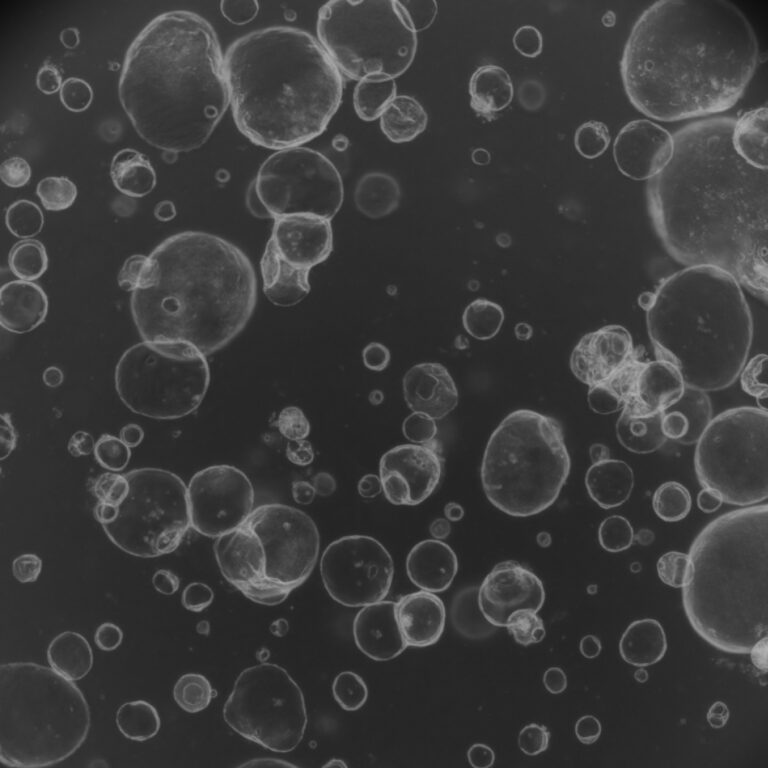
From an unexpected observation in Kyoto to the foundation of bioscience research worldwide that transforming disease modeling and drug discovery to regenerative therapies and rejuvenation research, Nobel Prize laureate Shinya Yamanaka reflects on the scientific journey of iPSCs, highlight key milestones in our understanding of reprogramming, and discuss the expanding clinical and societal impact of iPSCs.
Cancer stem cells orchestrate immune evasion through extracellular vesicle-mediated non-canonical signaling pathways
Journal: Cancer Cell
Author: Fan G, Jin J, Wang J et al., China
Cancer stem cells in triple-negative breast cancer drive immune evasion by releasing TSPAN8+ extracellular vesicles. These vesicles activate a non-canonical feedback loop that expands immunosuppressive regulatory T cells, offering a novel therapeutic target to enhance the efficacy of anti-PD-1 immunotherapy.
Non-invasive profiling of the tumour microenvironment with spatial ecotypes
Journal: Natur
Author: Wubing Zhang, Erin L. Brown, Abul Usmani et al., USA
Researchers have developed a machine-learning framework to identify Spatial Ecotypes (SEs) – conserved multicellular units within the tumor microenvironment. These ecotypes are detectable in plasma cell-free DNA, offering a non-invasive, liquid biopsy platform to predict immunotherapy responses across diverse human cancers.
Androgen loss accelerates brain tumour growth via HPA axis activation
Journal: Nature
Author: Juyeun Lee et al., USA
Androgen loss in glioblastoma surprisingly accelerates brain tumor growth by hyperactivating the hypothalamus–pituitary–adrenal (HPA) axis. This triggers neuroinflammation and glucocorticoid-driven immunosuppression, highlighting a unique, organ-specific role for androgens in maintaining antitumor immunity and improving survival in male patients.