In late March 2026, European police found themselves hunting down over 400,000 KitKat bars – 12 tons of chocolate that mysteriously vanished somewhere between a factory in Italy and its destination in Poland. Nestlé issued a statement. The internet, naturally, turned it into memes.
But here is the twist: the scientists working to secure chocolate’s future are doing something even more audacious than stealing it. They are reimagining where it comes from entirely.
And to understand why that reimagining is necessary, you have to start with a tree.
The cacao tree is having a hard time. Climate shifts have brought unpredictable rainfall and prolonged dry spells to West Africa, which supplies over 60% of the world’s cocoa. Research from Harvard’s Salata Institute found that 68% of Ghana’s year-to-year variation in cocoa yields comes down to weather patterns. Prices spiked dramatically in 2024, and while they have since eased, JP Morgan forecasts cocoa will remain structurally more expensive for years to come. The pressure is real enough that Nestlé was quietly forced to remove the word “chocolate” from KitKat white chocolate packaging in the UK – its recipe no longer met the legal cocoa content threshold.
So the industry is looking elsewhere – and the science is genuinely exciting. In September 2025, Penn State researchers published a breakthrough in Plant Biotechnology Journal: by editing a single gene called TcNPR3 using CRISPR-Cas9, they created cacao plants with 42% smaller disease lesions, with no foreign DNA introduced. Mars has since partnered with biotech firm Pairwise to develop climate-resilient cacao along similar lines. These are not distant promises – they are happening now, in real labs and real fields.
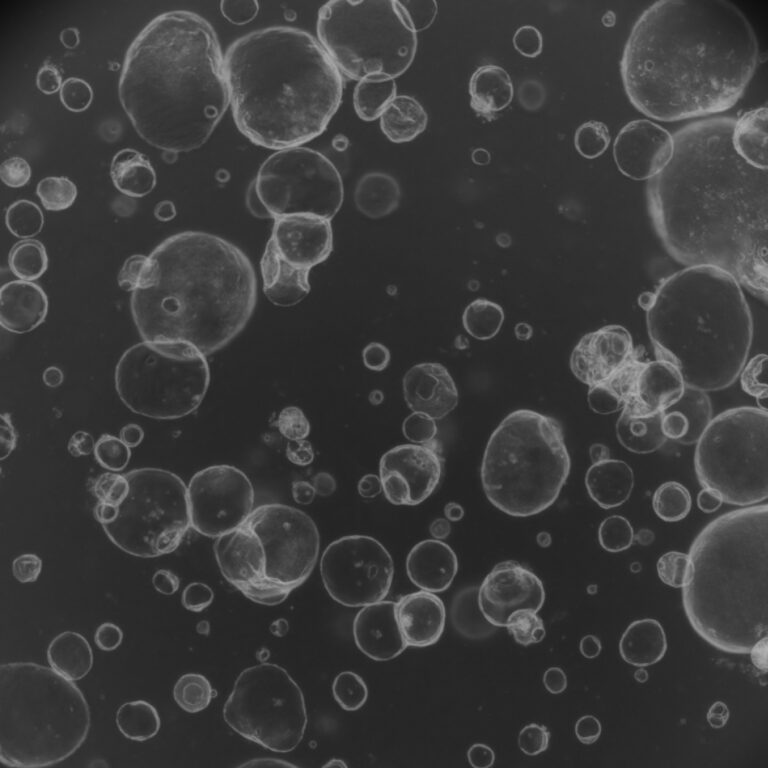
Further along the spectrum, startups are asking a more radical question: what if chocolate didn’t need the tree at all? Celleste Bio, backed by Mondelēz, is growing cocoa butter in bioreactors from plant cell cultures. Planet A Foods ferments oats and sunflower seeds into a chocolate-like ingredient with up to 90% fewer carbon emissions. Puratos and California Cultured are aiming to bring lab-grown cocoa to professional kitchens by the end of 2026.
Which raises a wonderfully human question. If the chocolate melting on your tongue was fermented from sunflower seeds in Bavaria rather than grown under the equatorial sun in Ghana, does it taste any different? Probably not. Does it feel different? That is where biology hands the conversation back to culture – and where the story gets really interesting.
Read more:
- A Taste of the Past
- Chocolate Company Announces Plans to Produce Lab-Grown Cocoa
- Mondelez-backed Celleste Bio debuts cell-cultures chocolate-grade cocoa butter
- Candy giant Mars partners with biotech firm to gene-edit cocoa supply
- The Past Is Back: De-Extinction, Ancient DNA & the Art of Remixing What Was Lost