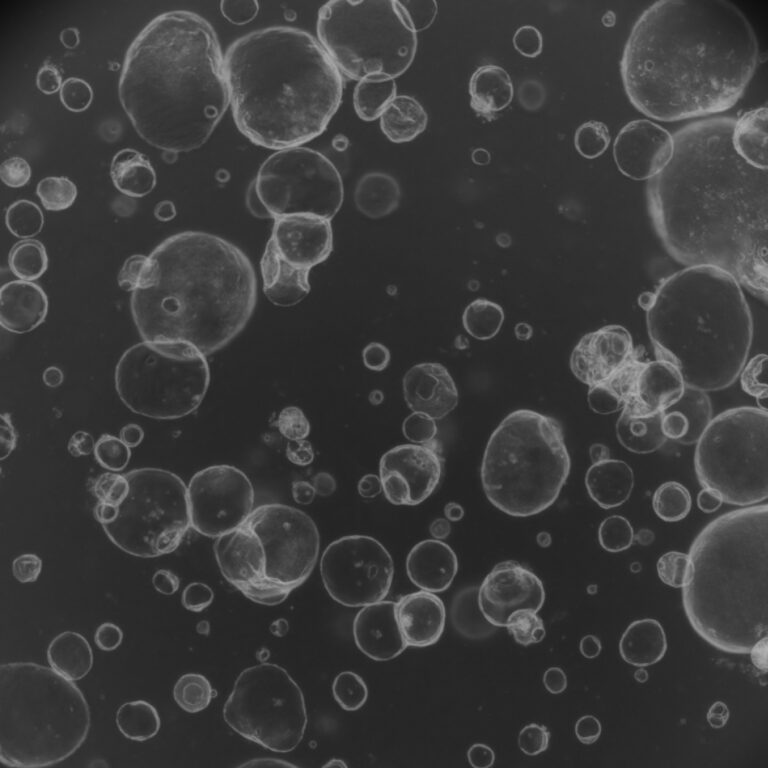
Human periportal liver assembloids are an advanced in vitro human liver model that enables accurate disease modeling and drug discovery. In a study published in Nature, researchers generated human hepatocyte organoids (h-HepOrgs) directly from fresh liver tissue from 28 patients, overcoming the long-standing challenge of expanding adult human hepatocytes in culture.
These human liver organoids supported long-term expansion while preserving patient-specific gene expression, bile canaliculus structures, and essential hepatocyte functions. Transplantation of h-HepOrgs rescued liver disease phenotypes in a mouse model, confirming their functional relevance.
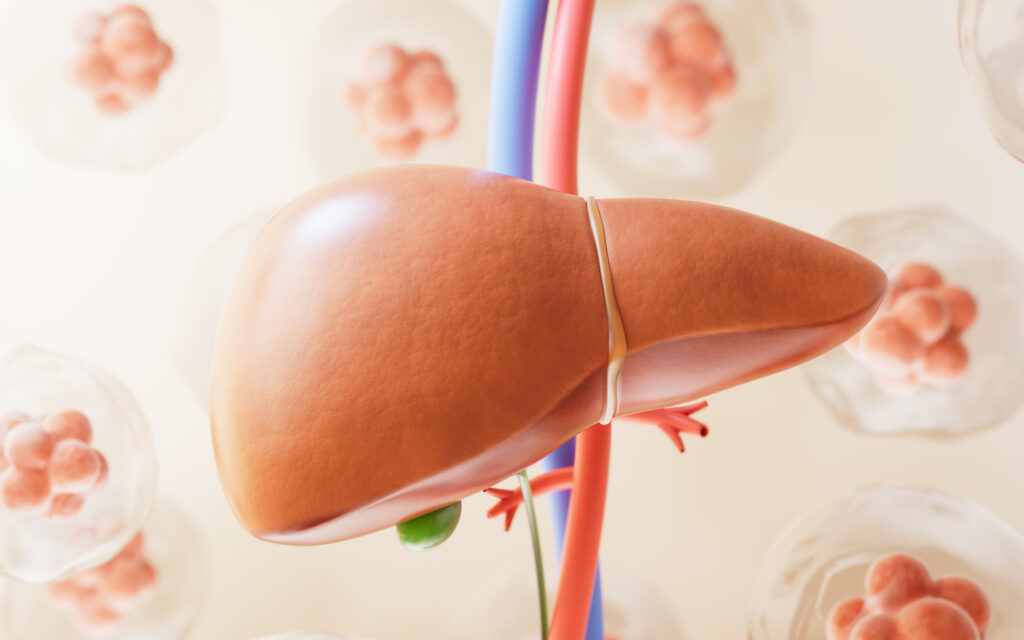
image: freepik
By integrating h-HepOrgs with matched portal mesenchyme and cholangiocyte organoids, researchers created patient-specific periportal liver assembloids that faithfully recapitulate the three-dimensional architecture, cellular composition, and cell–cell interactions of human periportal liver tissue in vivo. This multicellular human liver model captures key biological features not achievable with epithelial-only or stem cell–derived systems.
The platform was further used to model biliary fibrosis, highlighting its value for studying human liver pathophysiology, accelerating drug development, and enabling personalized medicine.
Research article: Human assembloids recapitulate periportal liver tissue in vitro
Unlocking Human Insight with Organoid Models
Cerebral Organoid | Midbrain Organoid | Skin & Hair Organoid | Intestine Organoid | Kidney Organoid | Cardiac Organoid | Liver Organoid | Gastric Organoid | Lung Organoid