Dose-Dependent Effects of Selenium on Cadmium-Induced Liver Toxicity
Journal: npj Science of Food
Author: Ren, M., Feng, Q., Lu, S. et al.
Using HepG2-derived liver organoids integrated into an organ-on-a-chip, the study shows that low-dose selenium (40 ng/mL) mitigates cadmium-induced liver dysfunction, while higher selenium doses reverse this benefit by inducing oxidative stress and metabolic disruption. The work demonstrates how organoid–chip platforms combined with metabolomics can guide rational micronutrient use in toxicology.
Hematopoietic Organoids: Advancing Human Blood Formation In Vitro
Journal: Stem Cell Reports,
Author: Du, Liming et al.
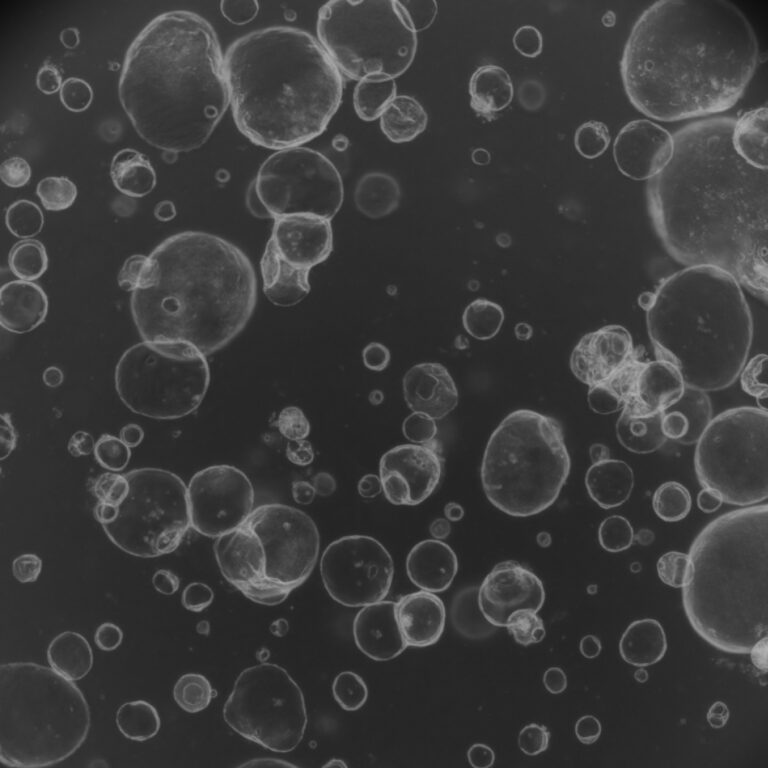
Hematopoietic organoids offer a more physiologically relevant alternative to animal models and 2D cultures by recapitulating human hematopoiesis and niche interactions in vitro. This review highlights their applications in disease modeling and drug screening, while outlining key challenges in achieving fully faithful human blood system models.
HDAC5 as a Therapeutic Target for Enhancing Skin Wound Healing
Journal: Science Translational Medicine
Author: Yifan Zhang et al.
The study identifies HDAC5 as a key regulator of skin reepithelialization, where its cytoplasmic activity deacetylates ACTN4 to activate pro-healing gene transcription. An HDAC5-selective activator accelerated closure of chronic wounds in animal and human skin models, supporting HDAC5 activation as a potential therapy for nonhealing wounds.
Genetic and Evolutionary Insights into Human Retinal Pigmentation
Journal: Science Advances
Author: Jian Yuan et al.
Using deep learning–based phenotyping and GWAS, the study identifies 42 genetic signals underlying human retinal pigmentation and reveals key retinal cell types and genes involved in melanogenesis. The results link retinal pigmentation to evolutionary adaptation and disease risk, including myopia and skin cancer.