Bladder Organoid–Derived Conditioned Media Supports Serum-Free Myoblast Proliferation
Journal: Scientific Reports
Author: Nagashima, Y., Yamamoto, H., Elbadawy, M. et al., Japan / Egypt
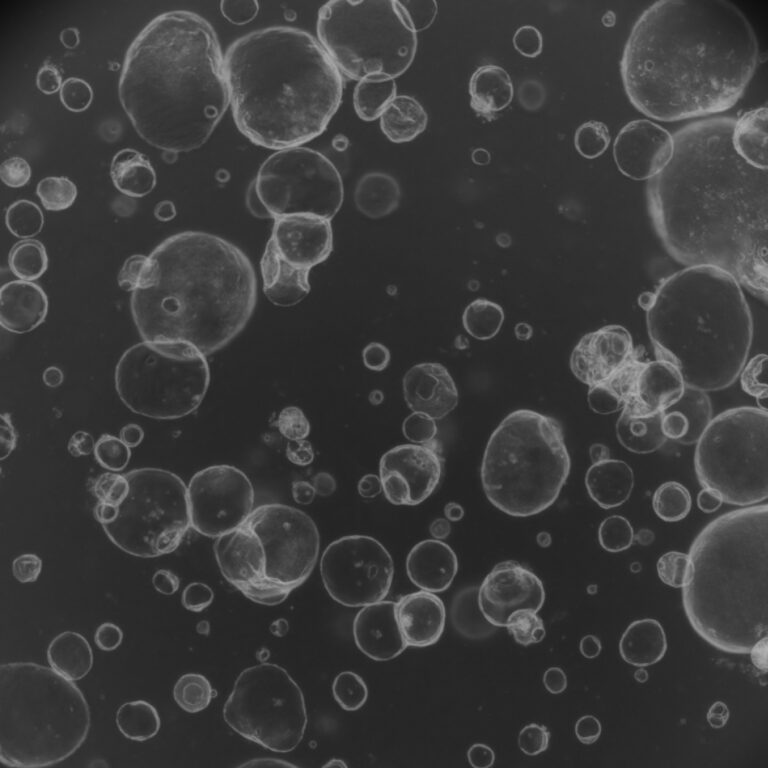
In this study, researchers investigated whether conditioned media derived from 3D mouse organoids could replace fetal bovine serum (FBS) in myoblast culture. They found that supernatant from mouse bladder organoids significantly enhanced proliferation of C2C12 and primary bovine myoblasts under serum-free conditions, associated with upregulation of cell cycle genes (CCNB1, CDK1) and increased G2/M phase entry, independent of IGF-1 signaling – highlighting its potential as a promising FBS alternative for cultured meat production.
Glucocorticoid Receptor Antagonism Enhances Cardiac Regenerative Signaling
Journal: Nature Cardiovascular Research
Author: Da Pra, S., Boriati, S., Miano, C. et al., Italy
This study demonstrated that endogenous glucocorticoids suppress cardiomyocyte proliferation by activating the glucocorticoid receptor (GR), which upregulates MAPK–ERK pathway inhibitors ERRFI1 and DUSP1, thereby blocking growth-factor-induced regenerative signaling. Pharmacological GR antagonism or inhibition of DUSP1 restored ERK activation, enhanced cardiomyocyte proliferation, and improved cardiac function after myocardial injury, supporting GR inhibition as a strategy to potentiate cardiac regenerative therapies.
OR7A10 Engineering Enhances CAR-NK Cell Efficacy in Solid Tumours
Journal: Nature
Author: Yang, L., Renauer, P.A., Tang, K. et al., USA
In this study, researchers identified the GPCR OR7A10 through in vivo CRISPR-based screening as a key gain-of-function target to enhance CAR-NK cell performance against solid tumours. Engineering CAR-NK cells with OR7A10 significantly improved proliferation, persistence, metabolic fitness, tumour infiltration, and resistance to the tumour microenvironment – achieving complete tumour responses and durable survival in preclinical solid tumour models.
Peritumoural Adipose Tissue Promotes Immune Escape in Colorectal Cancer
Journal: Nature Cell Biology
Author: Wang, JH., Zheng, YQ., Qian, ZY. et al., China
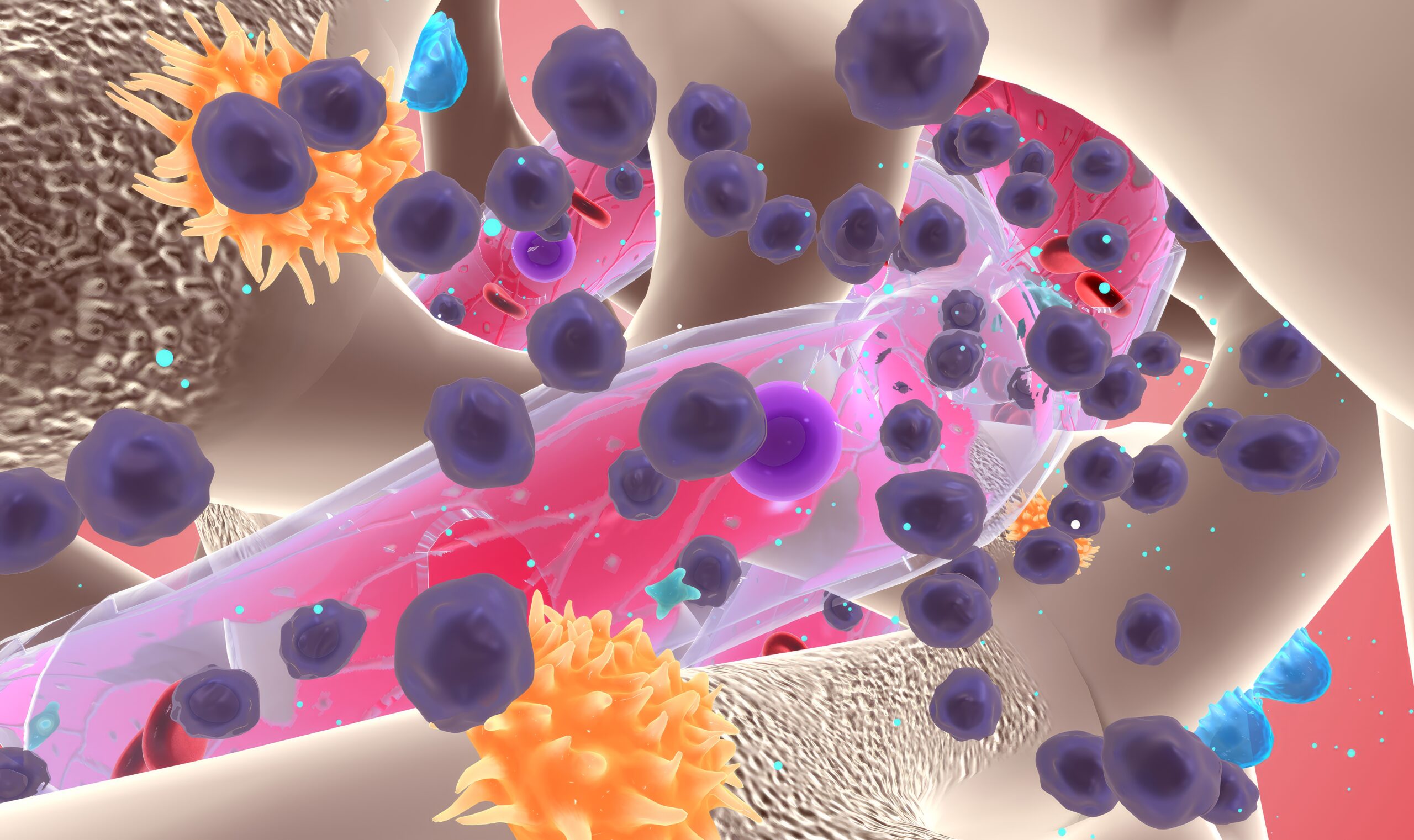
Researchers from China used single-cell RNA sequencing to map the immune landscape of peritumoural visceral adipose tissue (tVAT) in colorectal cancer and found it to be highly infiltrated with tumour-specific CD8+ T cells. They demonstrated that tumour-driven adipose–mesenchymal transformation generates CXCL12-secreting fibroblast-like cells that activate the CXCL12–CXCR4 axis, divert immune cells away from the tumour and promote immune evasion – while targeting this adipose–tumour crosstalk enhanced anti-PD-1 therapeutic efficacy.