

SAVE UPTO 30% ON ORGANOID SERVICES & ASSAYS - Offer end 28 February 2026
Home » AFS » CRISPR-Cas9
Research Service

CRISPR-Cas9

10000€+

CRISPR-Cas9

Achieve high-efficiency, stable gene editing using our optimized CRISPR-Cas9 workflows. We support cell lines, iPSCs, and advanced cell models to accelerate discovery and disease research.

Price
10000€+
Organism
Human
Product Type
Gene Editing
Tissue
Disease

Applications

Technology Service

CRISPR-Cas9

Professor Lee Chang-seok Eulji University
Customer insight

Advancing K-Beauty with Skin Organoids: A Next-Generation Platform for Non-Animal Testing and High-Precision Cosmetic Innovation

With the global rise of K-beauty, the cosmetics industry continues to grow steadily. Since the ban on animal testing for cosmetics in Korea in 2017, various alternative testing methods have...

Tomocube (Spatial)
Customer insight

HT-X1: A Label-Free Imaging Breakthrough for Organoid-Based Disease Modeling and Drug Screening

Traditional microscopy methods often require fluorescent labeling to analyze cellular structures, which can be time-consuming and invasive. In contrast, our HT-X1 system allows for high-resolution visualization of cellular morphology without...

Seoul National University College of Medicine
Customer insight

Pioneering Spatial Protein Analysis in Korea: Advancing Clinical Pathology with Lambda Biologics’ Support

Traditional protein analysis has primarily focused on quantifying expression levels within tissue samples. However, recent advances in spatial analysis techniques have shifted attention toward evaluating not only expression levels, but...

K Research Institute
Customer insight

ODISEI-Gut Platform Reveals Immune-Boosting Potential of Kimchi-Derived Bacterial Strain

Among the many fermented foods we consume, kimchi is particularly known for containing a diverse range of lactic acid bacteria, which are believed to influence the activation of immune cells...

Bundang Jesaeng General Hospital
Customer insight

Multiplex Marker Analysis Enhances Research Efficiency with 31-Marker Detection on a Single Slide

We conducted a study focused on identifying disease-related markers using patient-derived tissue samples. However, traditional methods limited our ability to analyze multiple candidate markers simultaneously, and the limited availability of...
Description

CRISPR-Cas9 Gene Editing Services for Precise and Reliable Research

CRISPR-Cas9 is a genome editing technology that enables precise modification of specific genes by targeting defined DNA sequences. It allows researchers to disrupt, insert, or alter genes with high accuracy, supporting disease modeling, functional genomics, and advanced screening in human-relevant cell systems. To achieve reliable and reproducible results, CRISPR workflows must be carefully designed, optimized, and validated – particularly when working with iPSCs or complex cell models.

Lambda Biologics provides reliable CRISPR-Cas9 gene editing services with high editing efficiency, optimized sgRNA design, robust quality control, and proven expertise in iPSC and advanced cell models.

  • High and reproducible editing efficiency
  • Optimized sgRNA design to minimize off-target effects
  • Proven expertise in iPSC and complex cell models
  • Robust quality control for genetic stability
  • Scalable workflows tailored to your research goals

Applications

Lambda Biologics’ CRISPR-Cas9 services support a wide range of research and development programs.

  • Disease modeling and functional genomics
  • Target validation and mechanism-of-action studies
  • Drug screening and resistance modeling
  • Reporter and pathway-specific assay development
  • Human-relevant, non-animal testing strategies

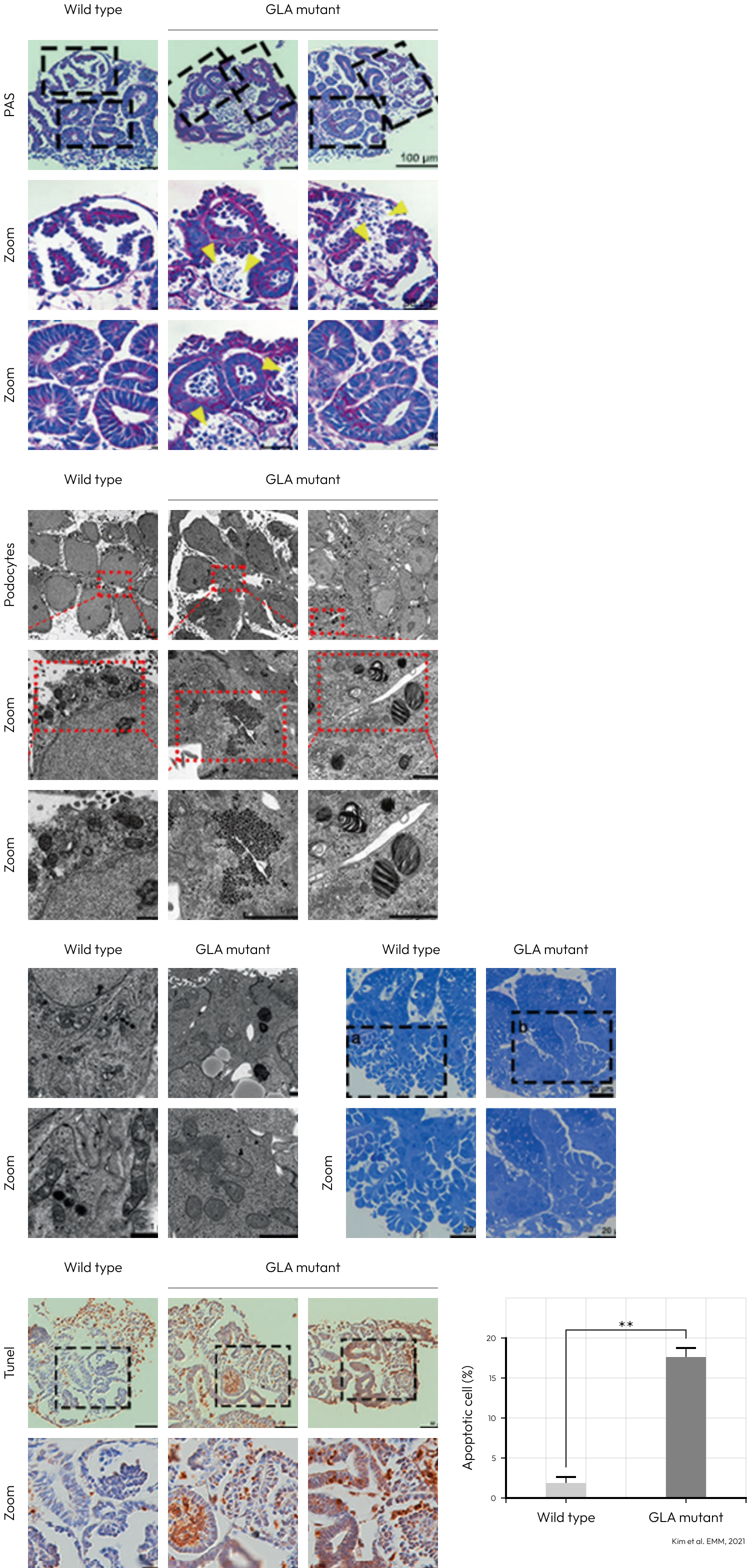
Case Study: Fabry’s Disease Modeling

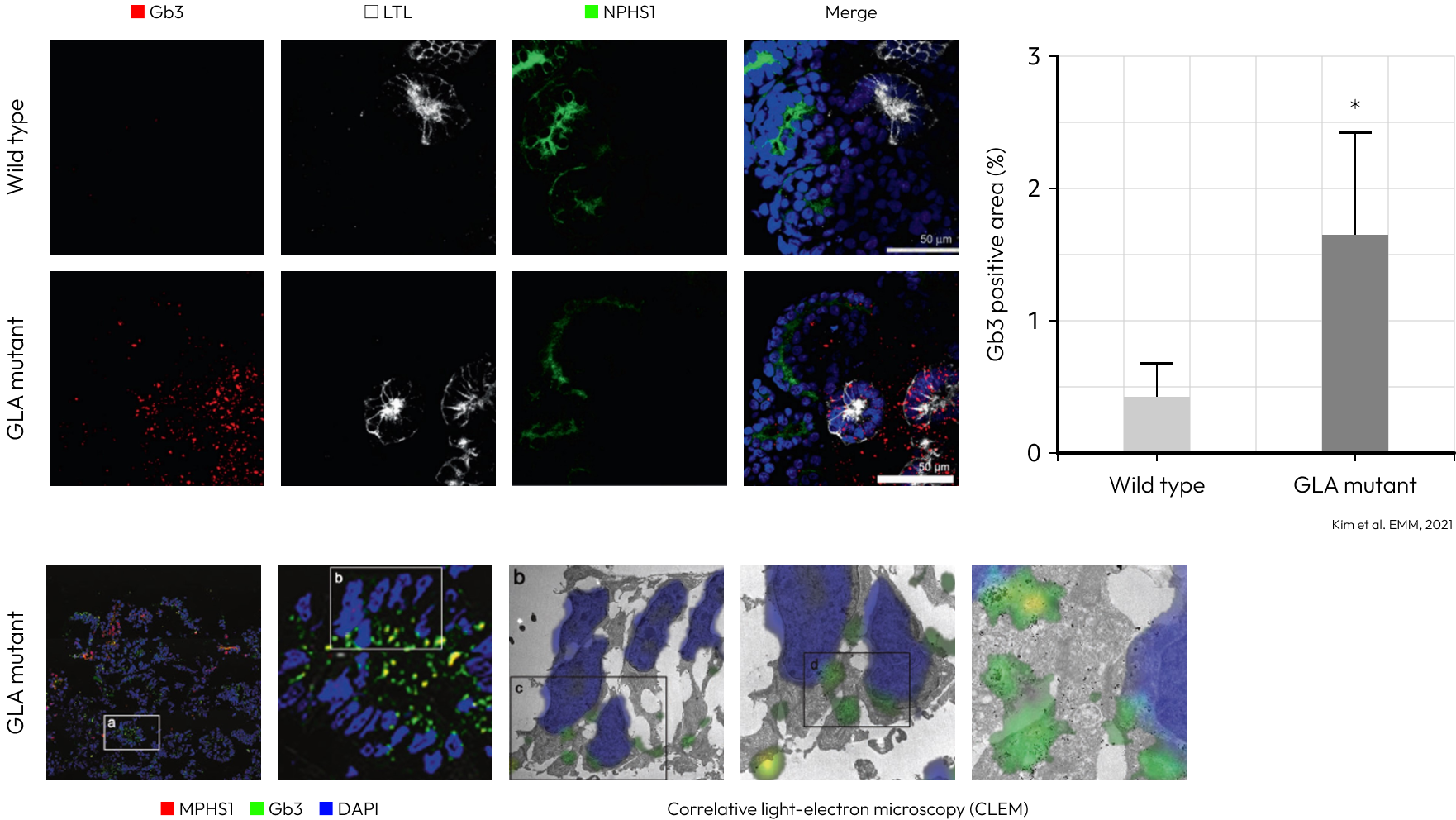
Fabry disease is a rare X-linked inherited disorder resulting from a deficiency or absence of the lysosomal enzyme α-galactosidase A (α-Gal A). This deficiency disrupts the glycosphingolipid metabolic pathway, causing the accumulation of globotriaosylceramide (Gb3) and related glycosphingolipids within lysosomes. This accumulation impairs cellular morphology and function, leading to a multisystemic condition associated with severe complications such as stroke, heart failure, cardiac arrhythmia, and end-stage renal disease. Unfortunately, these complications contribute to a reduced life expectancy in individuals with Fabry disease.

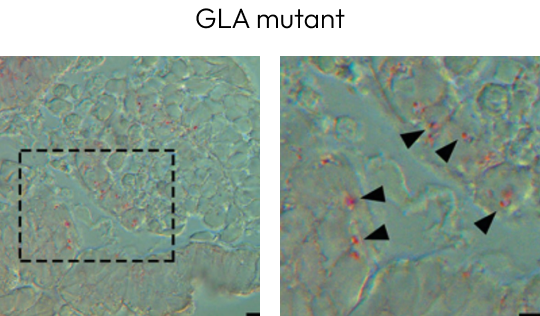
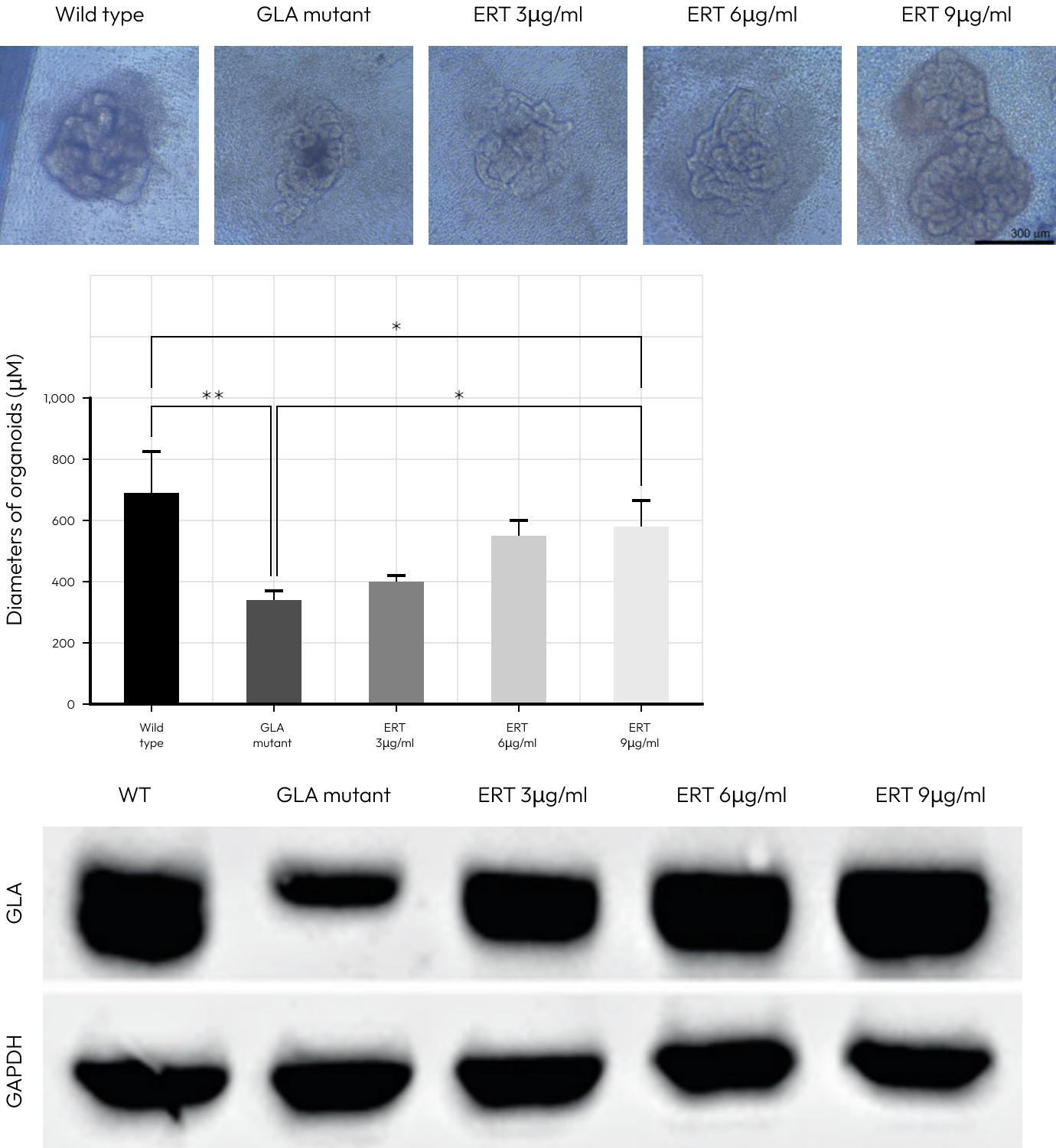
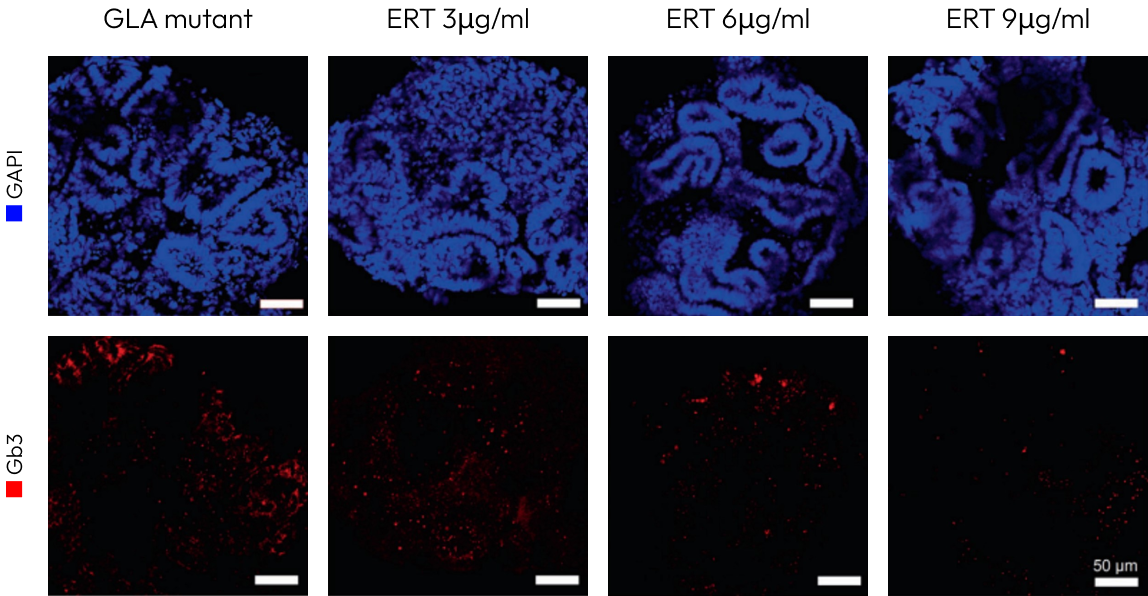
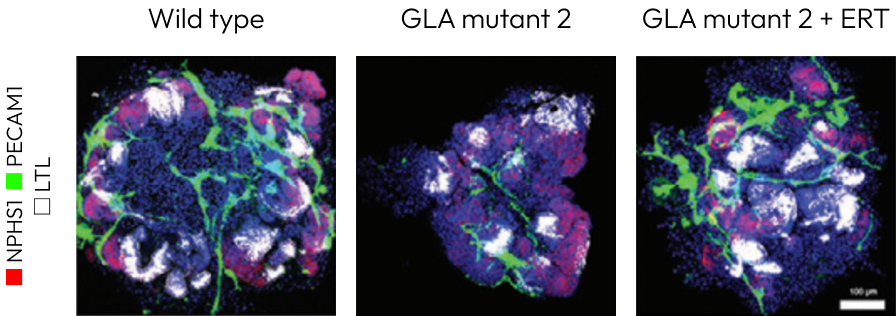
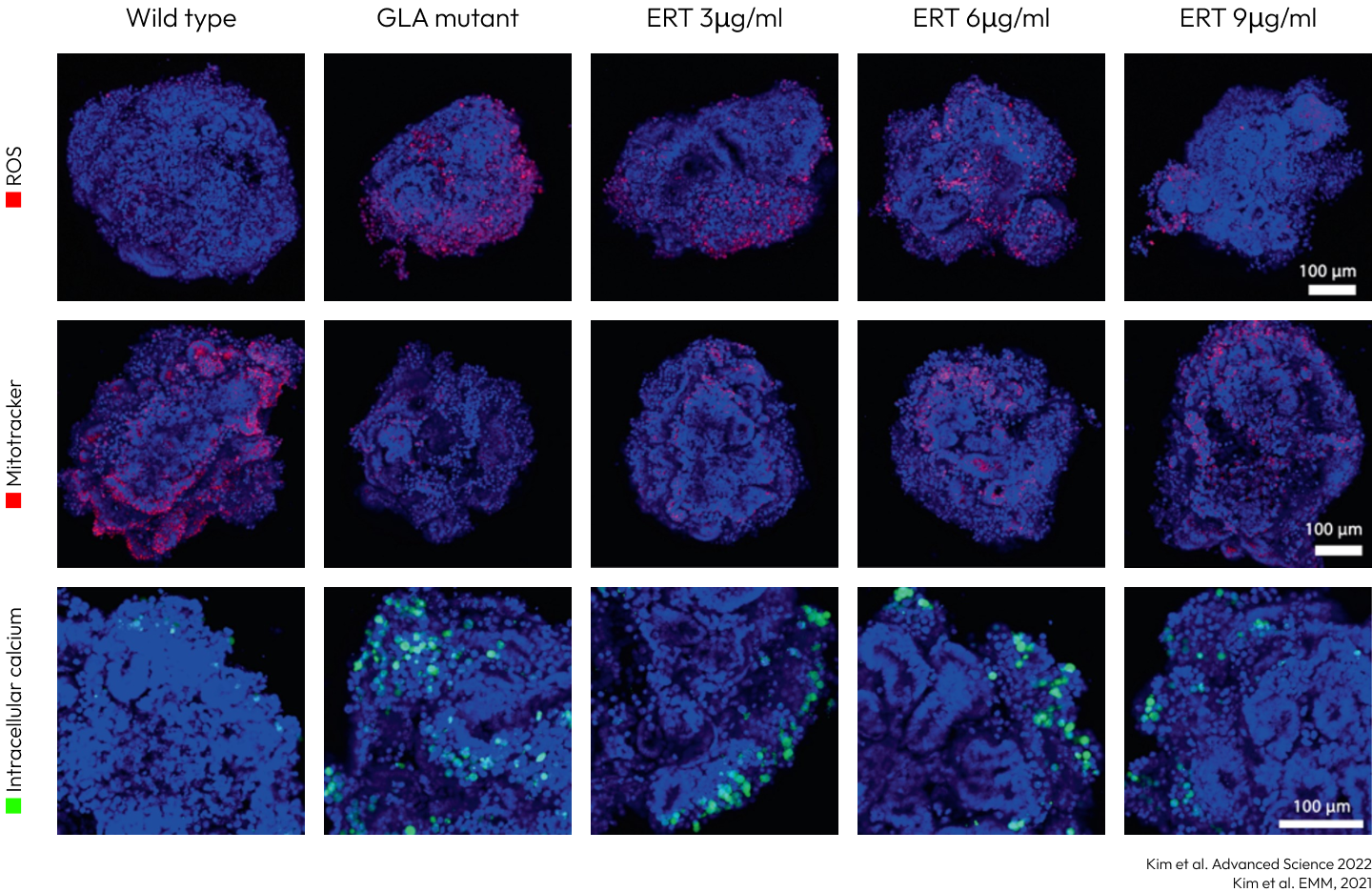
Lambda has developed a model for Fabry’s disease, creating kidney organoids through CRISPR-Cas9 gene editing. This model closely mirrors the pathological phenotype of human Fabry disease and responds to enzyme replacement therapy. Consequently, it stands as a valuable tool in the development of treatments for Fabry disease.

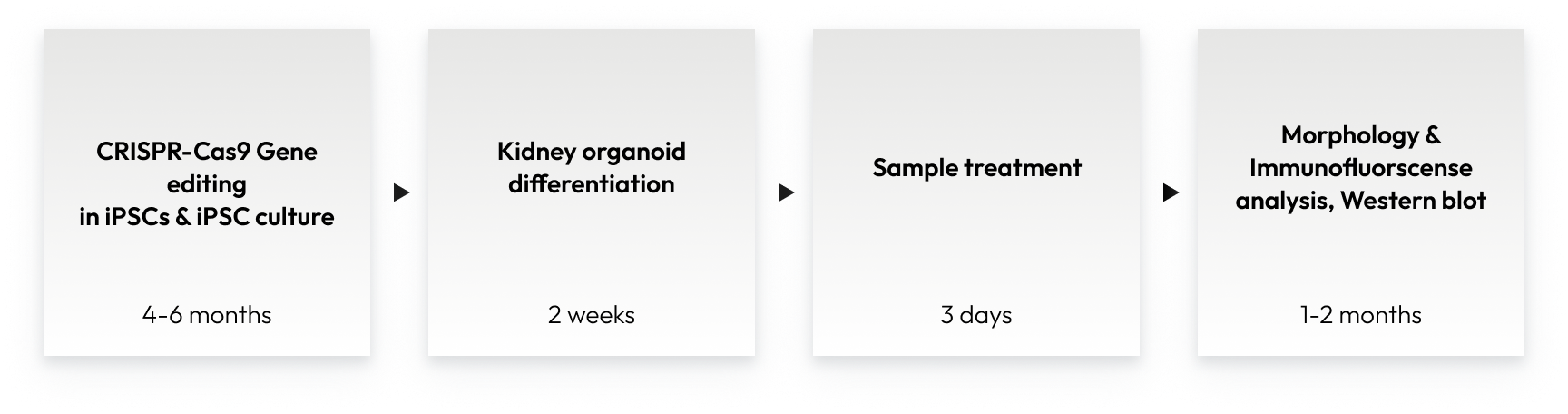
Assay process

Structural changes

Gb3 (globotriaosylceramide) accumulation

Lipid accumulation (Oil red O)

Enzyme replacement therapy in Fabry kidney organoids

Advance Drug Discovery with Smarter, Ethical Models.

Ready to start your CRISPR-Cas9 project?
Contact Lambda Biologics to discuss your target genes and cell models.

FAQs

We support gene knock-out, knock-in, point mutations, CRISPRi/CRISPRa, and multiplex editing, depending on your research objectives and cell model.

Our services cover immortalized cell lines, primary cells, iPSCs, and complex or organoid-derived cell models.

We apply optimized sgRNA design, controlled delivery methods, and rigorous validation to ensure high specificity and reproducible editing outcomes.

Yes. We perform clone selection, genotypic validation, and quality control to deliver well-characterized edited cell lines when required.

Yes. CRISPR-edited iPSCs can be integrated with downstream differentiation or organoid workflows to support disease modeling and functional studies.

Connect with Us