A co-culture system integrating regulatory T cells (Tregs), effector T cells, and cancer organoids enables the evaluation of compounds that influence Treg activity. This approach provides a powerful platform to assess drugs that modulate immune suppression within the tumor microenvironment.
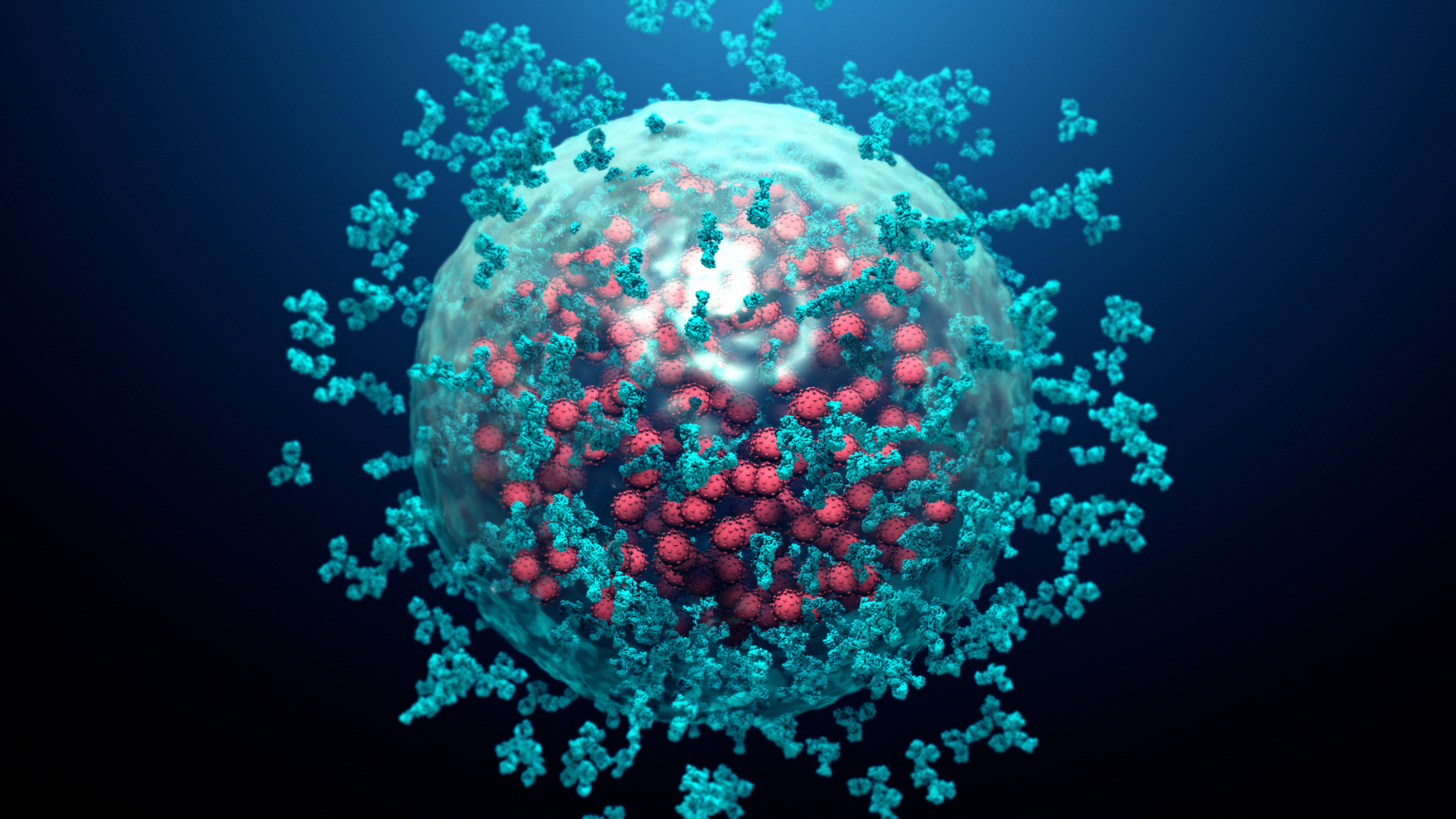
We developed tumor organoids incorporating key elements of the tumor microenvironment to serve as a platform for drug evaluation. To achieve this, tumor organoids, cytotoxic T cells, and regulatory T cells were co-cultured at defined ratios.
T cells were first activated from PBMCs, then cytotoxic and regulatory subsets were isolated, cultured, and quantified separately. After establishing the co-culture system, we evaluated the efficacy of immuno-oncology agents under controlled conditions.
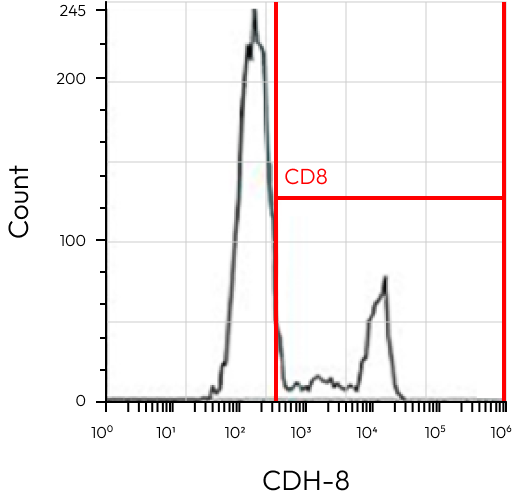
R1 / T-cell
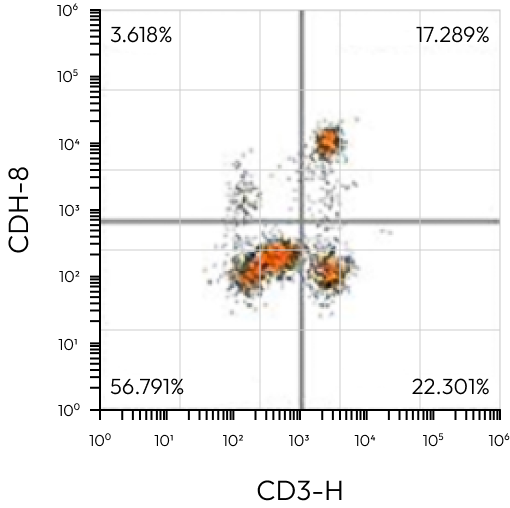
R1 / T-cell
Cell nr | Gated % | |
|---|---|---|
CD8+ | 47,600 | – |
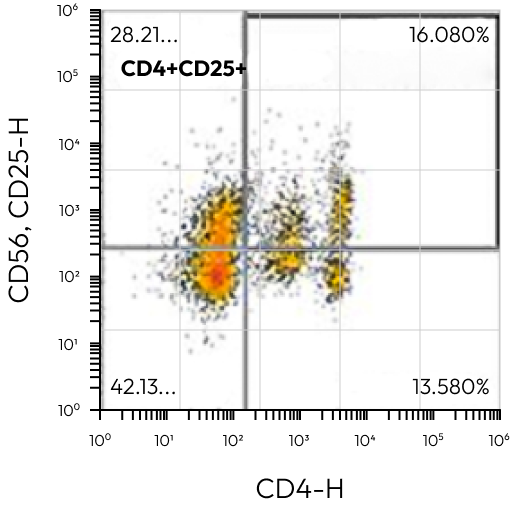
All Events / Treg
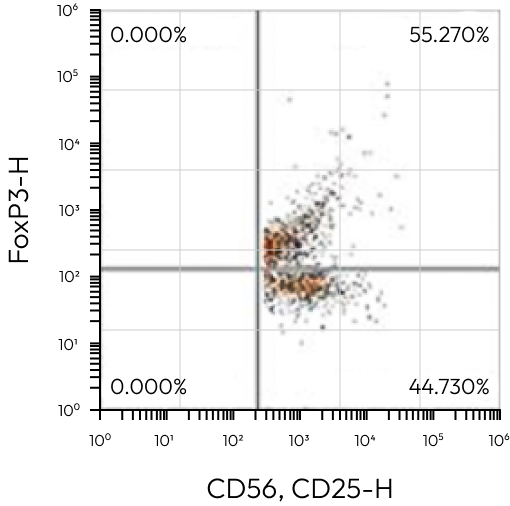
CD4+CD5+ / Treg
Cell nr | Gated % | |
|---|---|---|
CD8+ CD25+ FoxP3 | 7,500 | – |
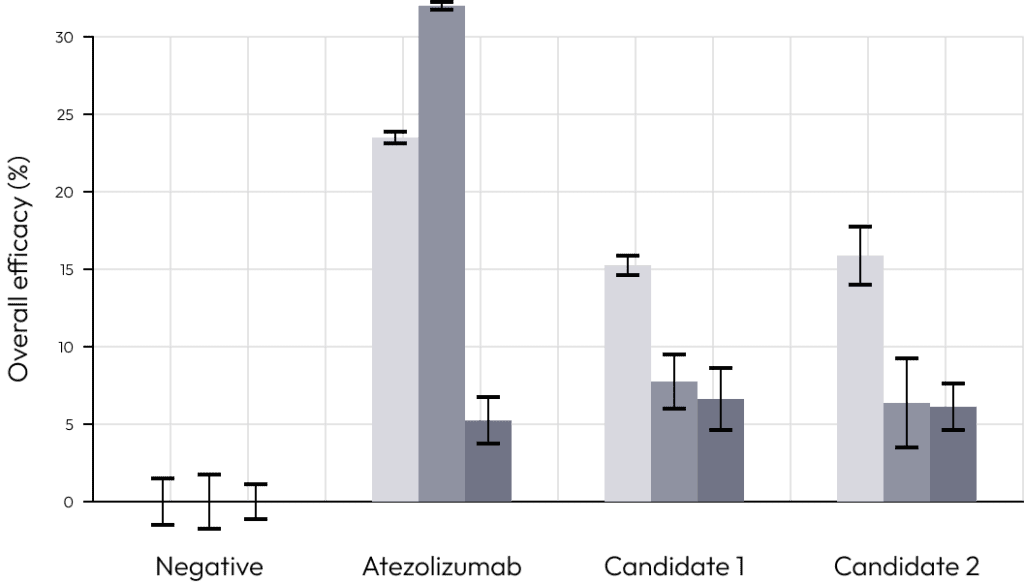
Regulatory T cells (Tregs) are a specialized subset of CD4+ T cells that maintain immune homeostasis by suppressing excessive immune activation. They play a critical role in preventing autoimmunity and modulating the immune response within the tumor microenvironment.
In many tumors, Tregs accumulate in the microenvironment and suppress cytotoxic immune responses, enabling tumor immune evasion. Studying Treg function and dynamics helps researchers understand mechanisms of immune suppression and develop strategies to enhance anti-tumor immunity.
Lambda Biologics’ Regulatory T cell models are derived and characterized for functional activity and immune-suppressive capacity. When integrated with patient-derived organoids or immune co-culture systems, they offer a physiologically relevant platform to study immune regulation and evaluate immunomodulatory therapies.



