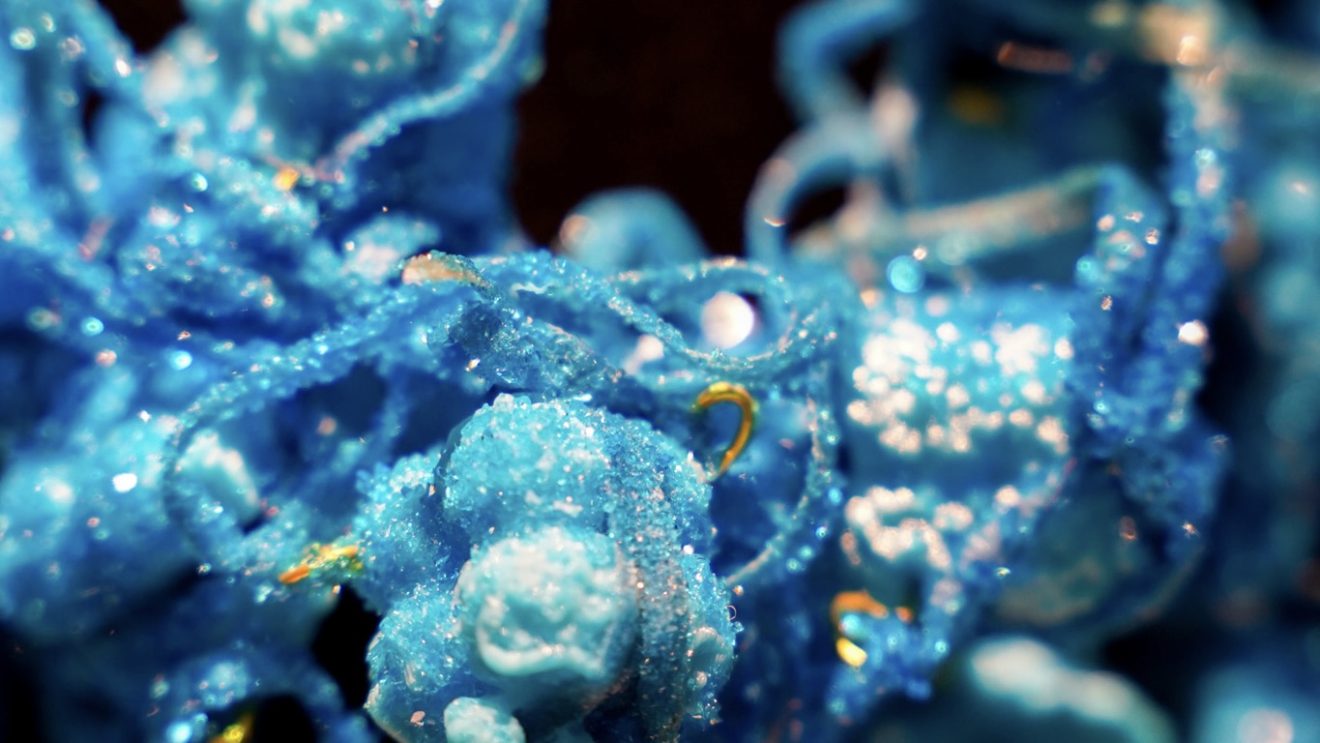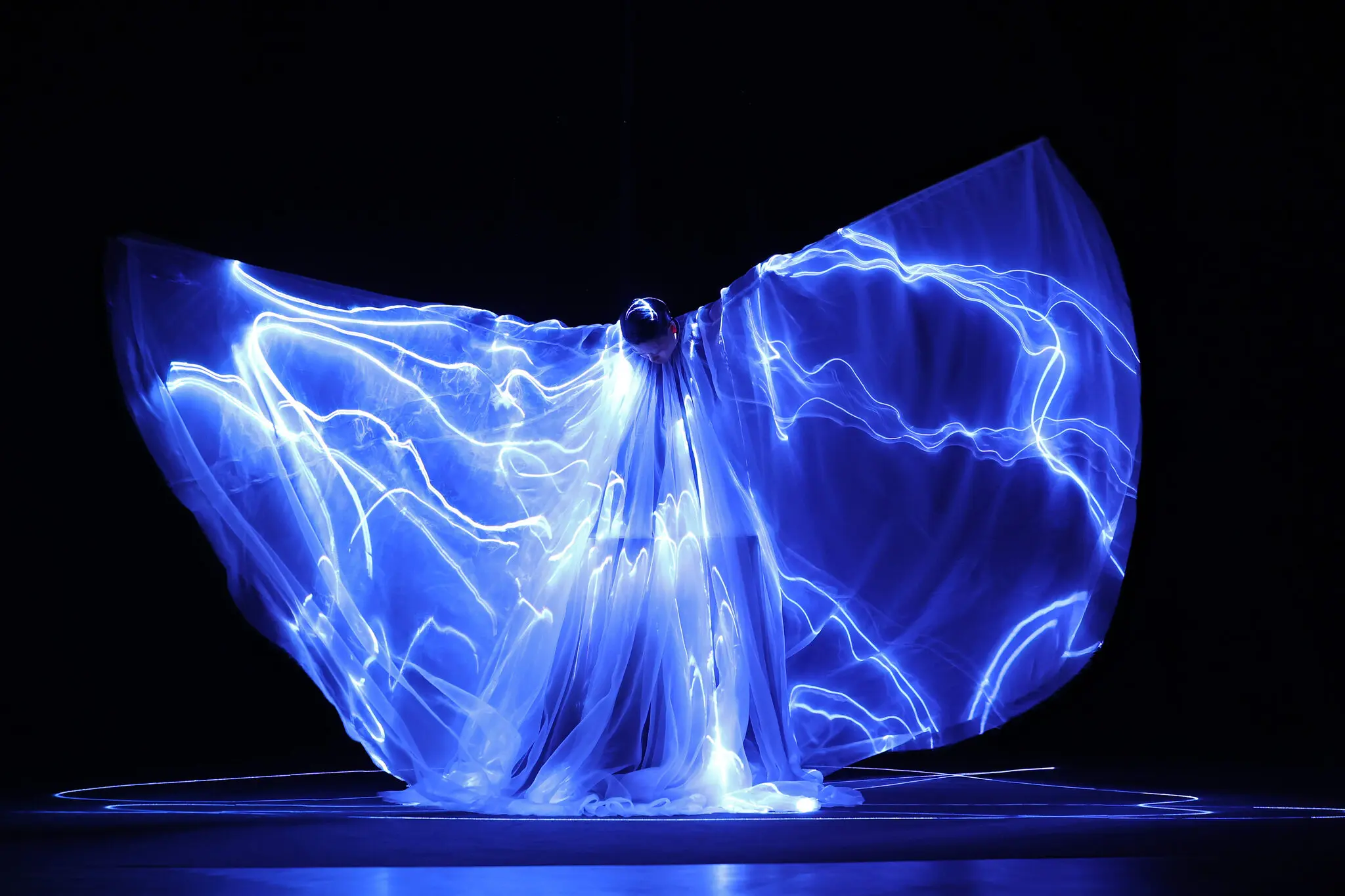
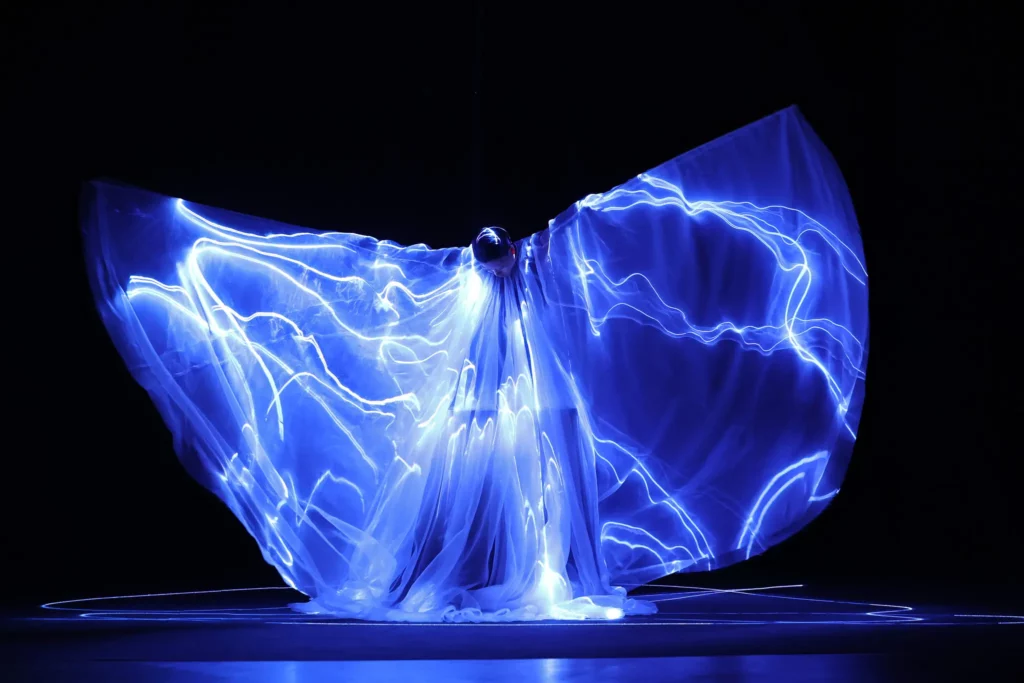
The 2026 runway has undergone a fundamental biological shift. In the spotlight of Paris Haute Couture Week, a model steps forward wearing a garment that does not merely sit on the body—it breathes. The “living gown,” a centerpiece of the Sympoiesis collection, features a translucent, gel-based bodice inhabited by over 125 million Pyrocystis lunula—a species of bioluminescent marine algae. As the model moves, the physical agitation triggers a biochemical response within the gown’s micro-chambers, causing the fabric to pulse with a ghostly, neon-blue light. It is a hauntingly beautiful intersection of performance art and living systems, turning the human form into a walking marine ecosystem.
From Precision Fermentation to the Runway
While some designers work with living organisms, others are utilizing the molecular building blocks of life to replace traditional textiles. Stella McCartney’s Winter 2026 collection features “Brewed Protein™”—a material created through precision fermentation. In the lab, the DNA sequences responsible for producing silk proteins in nature are decoded and “mapped” onto microorganisms like yeast. When fed a simple sugar diet, these engineered microbes ferment and produce protein polymers that are then spun into exceptionally fine fibers, measuring a mere 12 to 14 microns in diameter.
The biological significance of this cannot be overstated. By bypassing the need for livestock or petrochemicals, this “lab-to-closet” workflow effectively bridges the gap between synthetic biology and luxury design. The resulting fabric possesses the luster of traditional silk and the durability of synthetic polymers, yet it is entirely bio-based and biodegradable. It represents a “molecular turn” in fashion where the designer’s palette is no longer limited to what can be harvested, but what can be coded.

The Science of the Shimmer
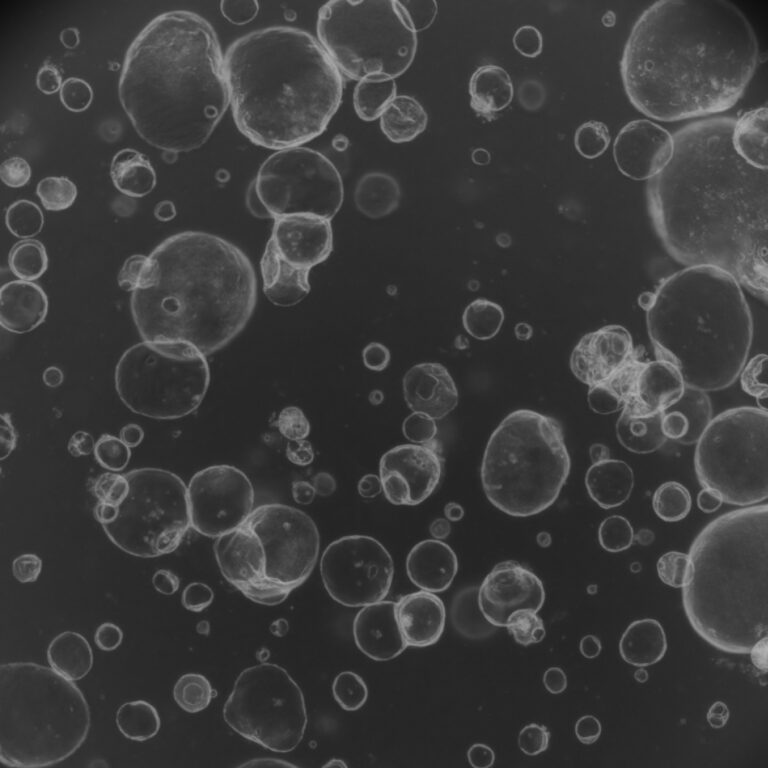
Beneath the ethereal glow of these “bioluminescent silks” lies a sophisticated feat of bioengineering. The integration of Pyrocystis lunula into a wearable medium requires more than just aesthetic vision; it demands the maintenance of a precisely controlled biological environment. These unicellular organisms generate light through a luciferase-catalyzed reaction, but they are highly sensitive to their surroundings.
To transform them into a “material,” designers and scientists collaborated to develop a nutrient-rich, biocompatible gel that maintains the algae’s circadian rhythms. This gel acts as a life-support system, regulating the salinity, pH, and gas exchange necessary for the microorganisms to survive the stress of a runway environment. The “art” here is the visual output, but the “science” is the successful cultivation of a fluid, living membrane that treats a garment not as a static object, but as a responsive, homeostatic organism.
The Hybrid Lab-Studio Insight
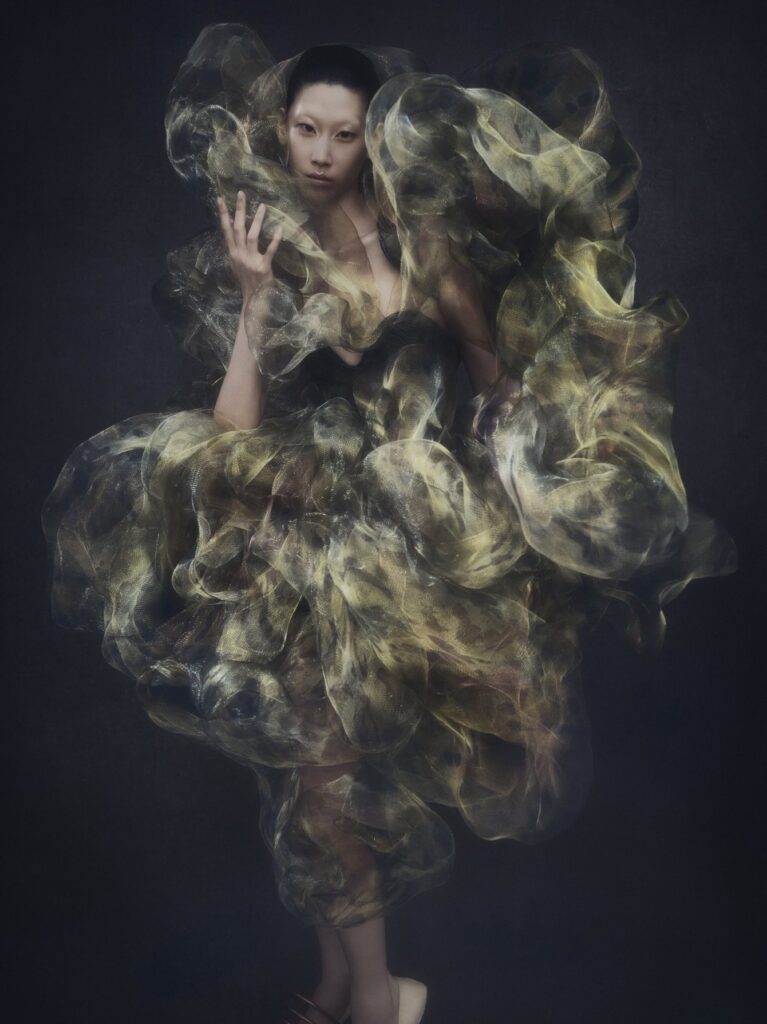
The rise of biomaterials in 2026 marks a permanent dissolution of the boundaries between the laboratory and the life of the consumer. We have moved past the era of “greenwashing” into a period of Deep Bio-integration. Through interdisciplinary growth, the fashion designer has evolved into a “biotinkerer,” and the scientist into a “material curator.”
The true insight of this era is the realization that sustainability is not a compromise on luxury, but an expansion of its definition. When we wear a garment grown from mycelium or glowing with living algae, we are participating in a new form of “interspecies collaboration.” The 2026 fashion landscape proves that the most sophisticated technology on the planet is not found in a microchip, but within the self-assembling, regenerative logic of a cell. As these materials transition from speculative art pieces to scaled industrial products, the laboratory is no longer a hidden, sterile space; it is the very engine of our cultural and aesthetic future.