Uncover the “cellular winds” driving cancer spread: how internal fluid currents, not random drift, turbocharge invasive cell movement and metastasis.
Image source: ScienceDaily.com
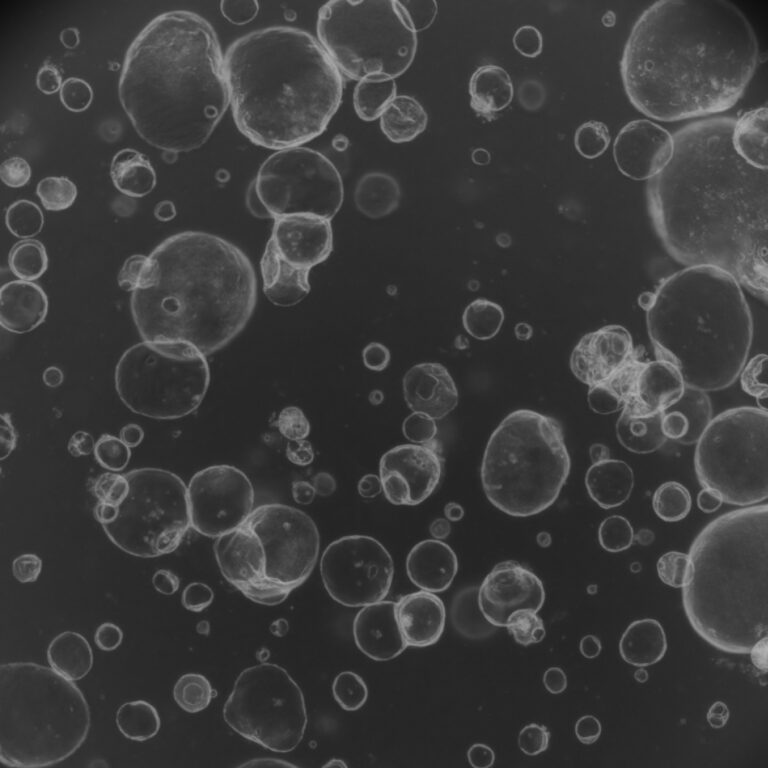
Does proteins drift aimlessly through a cell’s interior until they eventually reach their destination via random diffusion?A ground-breaking research from Oregon Health & Science University has completely overturned this passive model by discovering a hidden “wind system” that actively turbocharges cellular movement. By strategically squeezing its posterior, a cell generates directed internal fluid flows—akin to microscopic atmospheric rivers—that rapidly sweep essential building blocks like actin toward the leading edge.
This high-speed transport occurs within a newly identified “pseudo-organelle,” a specialized compartment at the cell’s front that is physically partitioned by an actin-myosin boundary to ensure materials are delivered precisely where they are needed for expansion. Using advanced nanometer-scale imaging techniques such as iPALM and a method cheekily named “FLOP,” scientists have finally been able to visualize these currents in real-time.
The implications for human health are profound, particularly in the study of oncology. While these internal winds are vital for healthy processes like wound healing and immune responses, they also appear to be a primary engine for cancer metastasis. It is now believed that highly invasive tumor cells may “turbocharge” these currents to migrate and spread with aggressive speed. By uncovering the mechanical differences between how healthy and malignant cells harness these cellular winds, researchers are opening a new frontier for therapeutic interventions designed to lock invasive cancers in place and halt their deadly journey through the body.
Source: ScienceDaily.com
Read the full article:
Lambda Biologics’ Oncology Solutions: Patient-derived cancer organoid-based drug evaluation service
Gastric Cancer Organoid | Breast Cancer Organoid | Hepatocarcinoma Cancer Organoid | Pancreatic Cancer Organoid