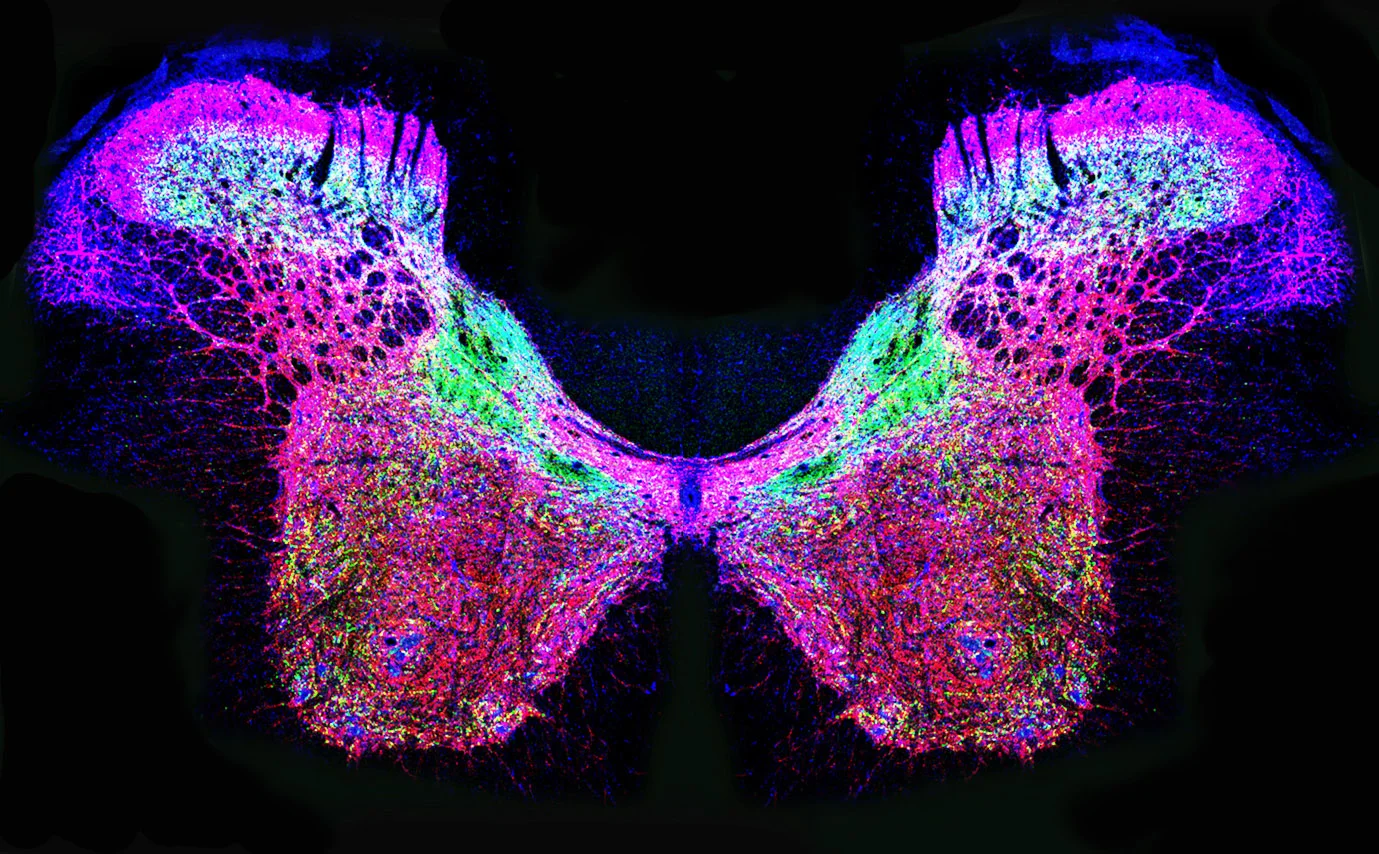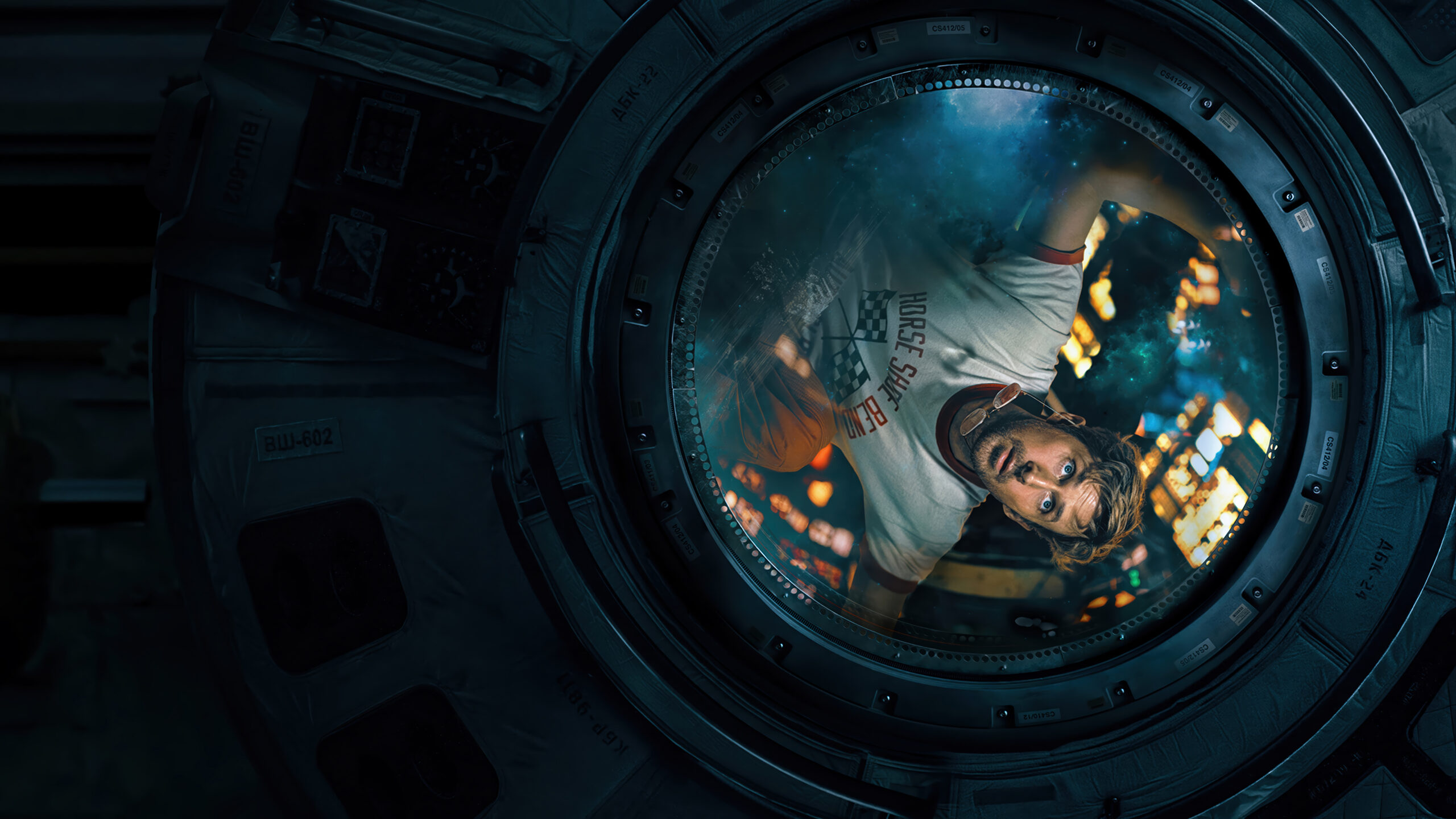
Between fiction and real-life bioscience: the much-anticipated film adaptation of Andy Weir’s Project Hail Mary (releasing 2026), starring Ryan Gosling mirrors breakthroughs in synthetic resilience in in vitro microbes engineering, revealing DNA as a living library of cosmic biological memory.
In the cinematic adaptation of Andy Weir’s Project Hail Mary, Ryland Grace (played by Ryan Gosling) awakens in a sterile interstellar tomb with a complete loss of identity. His survival depends on a desperate cognitive excavation: he must recall the knowledge and memory of his own past to save humanity. While the film portrays this as a psychological drama, it’s a cinematic metaphor for the “Architecture of Memory” that governs our very existence at a molecular level.
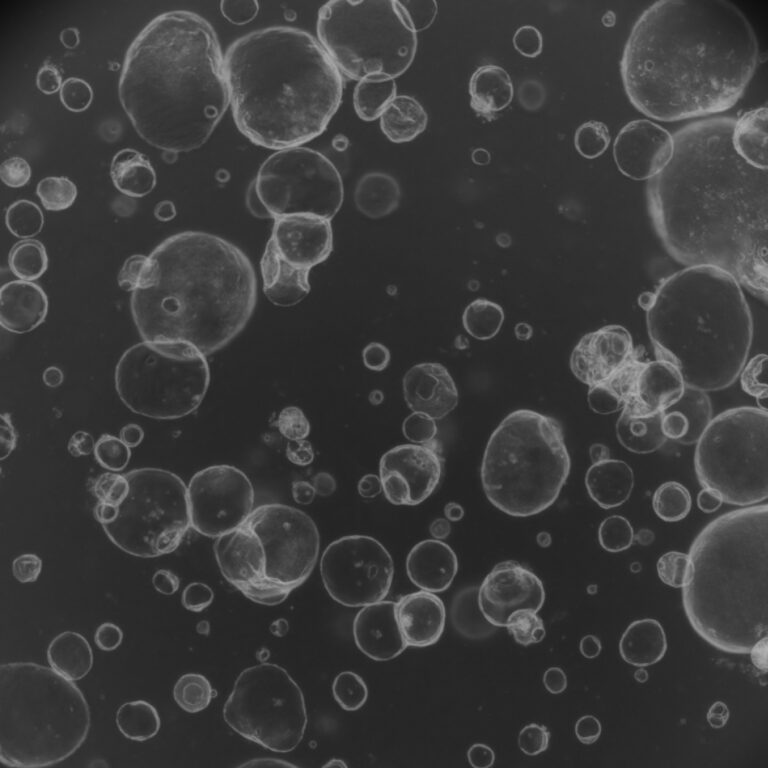
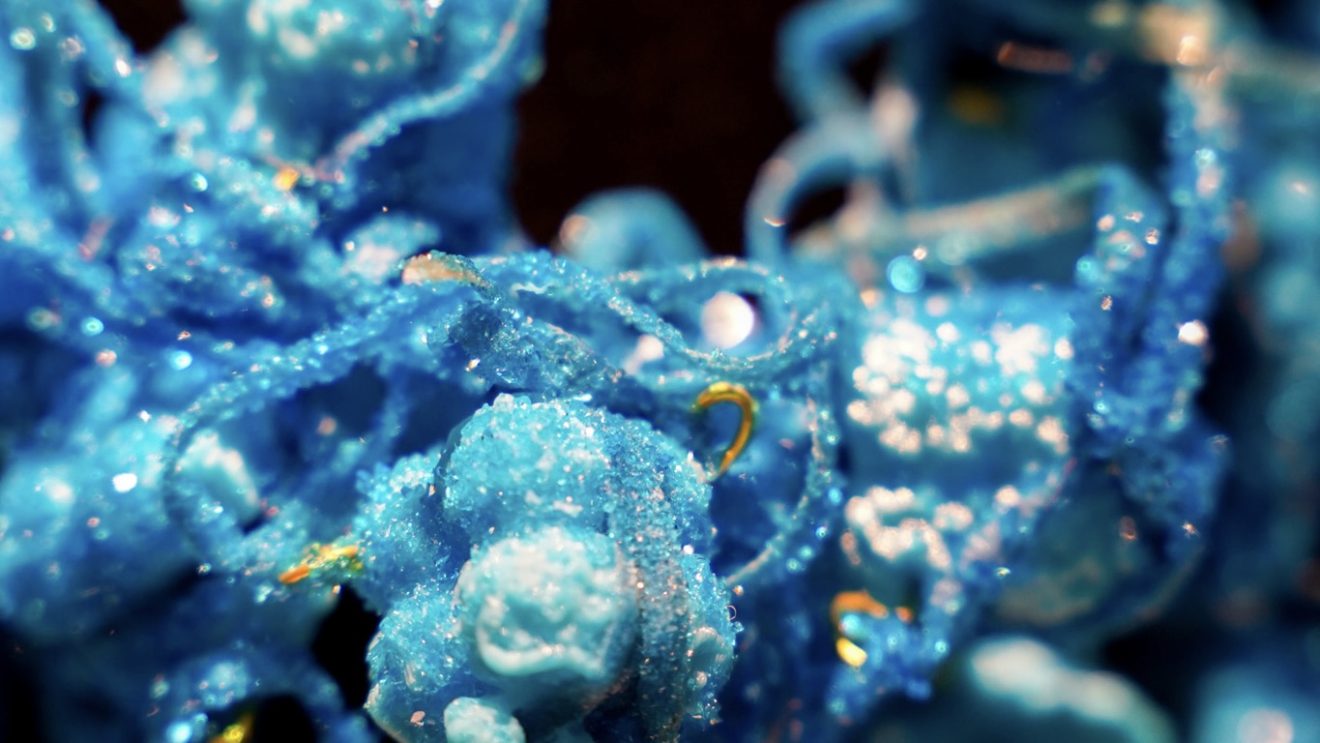
While being entirely fictional, the Astrophage, the existential threat of this sci-fi story: a microscopic organism that consumes stellar energy with terrifying efficiency, resembles the cutting-edge “Synthetic Resilience” currently being engineered in real laboratories. We are now entering an era where synthetic biology allows us to treat DNA not just as a static blueprint, but as a Genetic Memory Circuit. Much like Ryland Grace reconstructing his mission, scientists are now finding way to engineer microbes with the ability to “remember” environmental stressors. By utilizing metabolic rewiring and extremophile-inspired DNA sequences, these synthetic cells can store information about external threats, such as heatwaves or radiation spikes, allowing protective responses triggering decades later.
This biological “remembering” isn’t confined to sci-fi or labs; it is being studied by the pioneering scientists in the field of Epigenetics. Just as Grace’s character is shaped by the traumas and triumphs even he did not remember, our own bodies act as living archives. Every environment we encounter – the air we breathe, the stress of our cities, the nutrients we consume – leaves “epigenetic tags” on our DNA. These aren’t permanent mutations, but a form of biological memory that tells our genes when to switch on or off. Recent research into Phenotypic Plasticity shows that our bodies are constantly “remembering” the world to better prepare us for tomorrow. When we recover from a virus or adapt to a new altitude, our cells are practicing a form of internal resilience that mirrors Grace’s struggle to adapt to the vacuum of space. Better yet, recent findings in epigenetic are paving way for next-gen cancer researches, where modifiers dictates how genes are expressed to make immunotherapy effective.
Beyond the sci-fi story and our current technology, as we look toward the future of personalized medicine, the concept of the Biological Digital Twin is bringing this cinematic “memory” closer to real life. By creating a data-driven replica of a patient’s unique biological history, doctors can predict how a specific body will “remember” and react to a new drug. We are moving away from a “one-size-fits-all” approach to a “narrative” approach to health, acknowledging that every patient is a collection of ‘saved files’ from their own life’s journey.
Project Hail Mary reminds us that memory is the ultimate tool for survival. Whether it is a protagonist finding his way home among the stars or a human cell adapting to the challenges of the 21st century, we are defined by what we retain. We are not merely static organisms; we are a shifting, breathing landscape of ancient cosmic struggles and modern adaptations. Our biology is our story—a testament to the fact that to live is to remember.