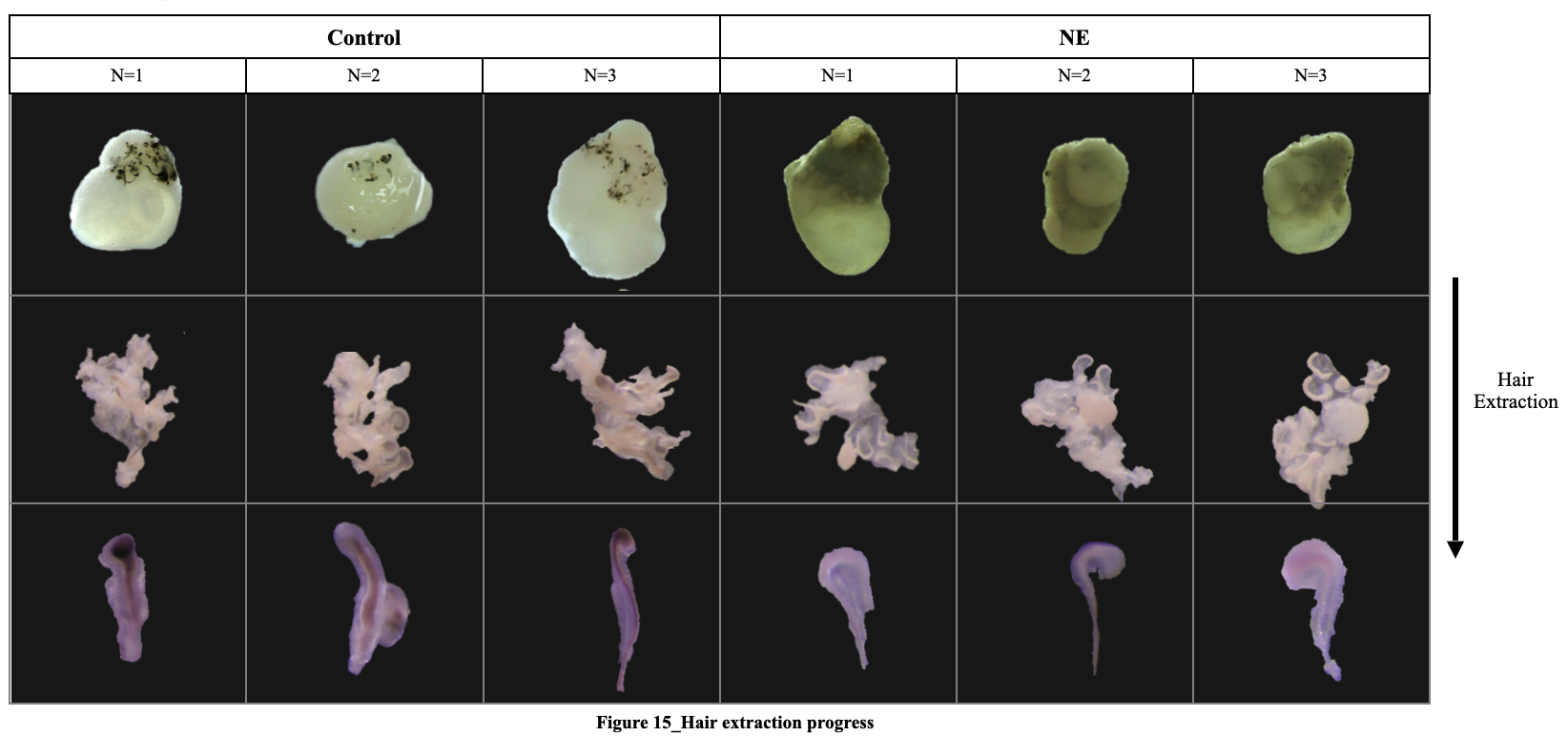
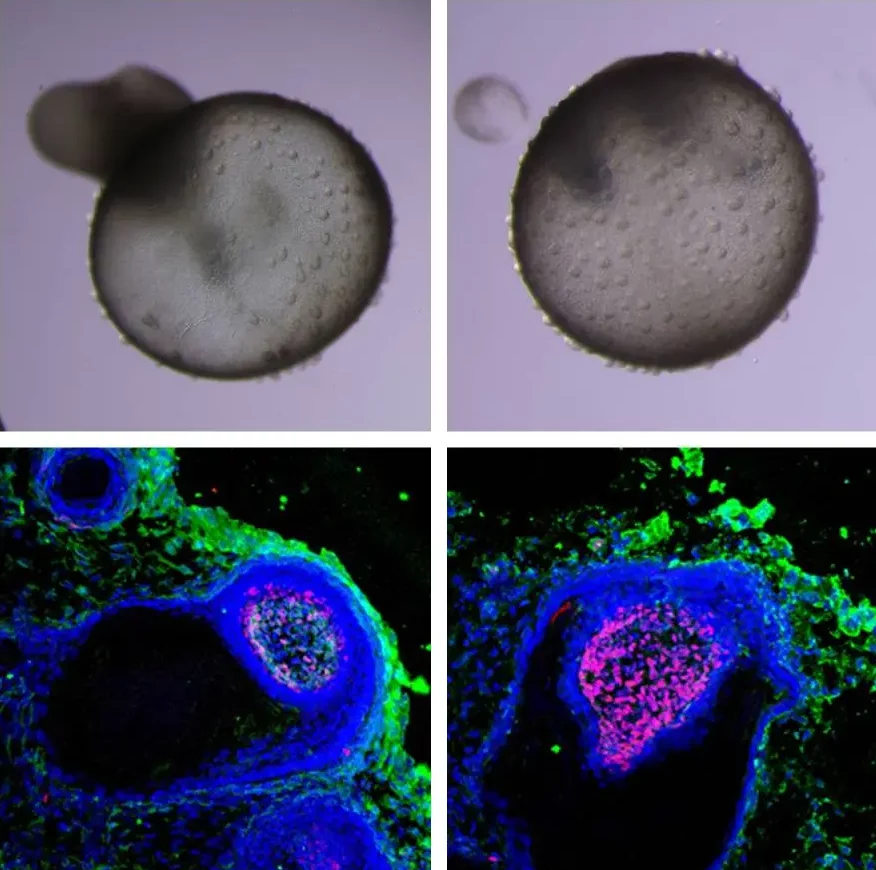
Myeloid-derived suppressor cells (MDSCs) are major contributors to immunosuppression and therapeutic resistance in cancer, yet robust human-relevant platforms for evaluating their function and trafficking remain limited. Here, we established a THP-1–derived MDSC-like cell model and integrated it with a colorectal cancer (CRC) organoid–stromal microenvironment assay. MDSC-like cells were generated under cytokine-driven differentiation conditions and validated by flow cytometry and qRT–PCR. Their immunosuppressive activity was assessed using PBMC/T-cell clustering assays, and their migratory behavior was quantified using a Matrigel-coated transwell system containing CRC organoids and/or cancer-associated fibroblasts (CAFs). This platform enabled parallel assessment of MDSC phenotype, suppressive function, infiltration, and drug response, supporting the preclinical evaluation of MDSC-targeting strategies in a human-relevant setting.
Wookyeom Yang1, Yoon-Ha Go1, Phuong Lan Nguyen1, Dong-Uk Lim1, Boeun Lee2, Kyung Jin Lee2
1 ORGANOIDSCIENCES Ltd., Republic of Korea
2 Lambda Biologics GmbH, Germany
Session Title: Late-Breaking Research: Immunolog 2
Session Start: 4/20/2026 9:00:00 AM
Session End: 4/20/2026 12:00:00 PM
Location: Poster Section 53
Poster Board Number: 18
Abstract Presentation Number: LB153
This poster details a comprehensive methodology for evaluating the complex interactions between immune-suppressive cells and the tumor stroma:
from Apr 19-22, 2026, at the AACR Annual Meeting, San Diego, California, USA
This poster will be available for download from 24 April, 2026
Visit Lambda Biologics at the AACR 2026, Booth 1603 from Apr 19-22 to discuss how our oncology-focused organoid platform helps establishing a sophisticated testing ground for next-generation immuno-oncology candidates and Antibody-Drug Conjugates (ADCs).

To access the full copy of this resource, kindly fill in the following information
We use cookies that are necessary to make our site work. We may also use additional cookies to analyze, improve, and personalize our content and your digital experience. You can manage your cookie preferences using the Cookie settings link. For more information, see our Privacy Policy