SAVE UPTO 30% ON ORGANOID SERVICES & ASSAYS - Offer end 28 February 2026
Parkinson’s Disease Case Study

Advancing Parkinson’s disease research with human midbrain organoids

Parkinson’s disease (PD) is a progressive neurodegenerative disorder characterized by the selective loss of dopaminergic neurons in the midbrain. Despite extensive research, translating preclinical findings into effective therapies remains challenging due to the limited predictive value of conventional models.

This case study highlights how human midbrain organoids were applied to establish a disease-relevant in vitro platform for Parkinson’s disease research.

Challenges

Progress in Parkinson’s disease drug development is constrained by limitations in existing experimental models, which reduce their translational relevance and regulatory confidence.

Model limitations

Animal models fail to replicate human disease mechanisms.

Oversimplified systems

2D cultures cannot capture the complexity of brain tissue.

Late diagnosis

By symptom onset, most dopamine-producing neurons are already lost.

Translational gap

Current models do not reflect human disease progression.

Midbrain Organoid Models as a Solution for

Parkinson’s Disease

Midbrain Organoid Models as a Solution for Parkinson’s Disease

To address these challenges, Lambda Biologics has developed an integrated Parkinson’s disease modeling approach based on human midbrain organoids. This model offers clear advantages over traditional systems by better reflecting human-specific disease biology.
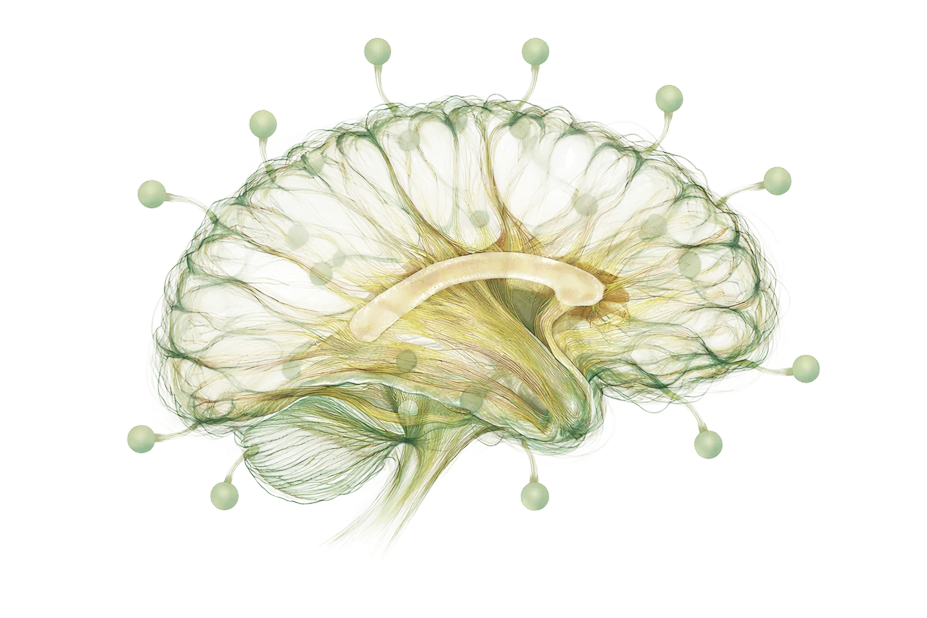
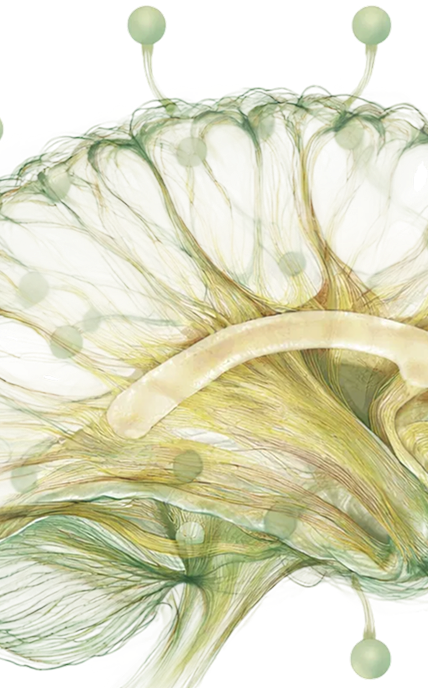
Human 3D midbrain organoids

iPSC-derived organoids that replicate key cellular and structural features of the human midbrain, including mature dopaminergic neurons and supporting cell types.

Physiologically meaningful insights

Enables mechanistic study of dopaminergic degeneration, mitochondrial dysfunction, and other hallmarks of Parkinson’s disease.

Disease-specific modeling

Customized organoid models incorporating patient-derived cells or gene edits (e.g., SNCA, LRRK2) to recreate Parkinson’s disease phenotypes and mechanisms.

Drug discovery support

A platform suitable for efficacy and toxicity testing under more predictive, human-relevant conditions than conventional 2D cultures or animal models.

Discuss Your Parkinson’s Disease Research

Our scientists will help design a human-relevant disease modeling study.

Related Solutions

Organoid Service
Organoid Service
Research Service
Research Service

Parkinson’s Disease Modeling Workflow

We develop human Parkinson’s disease organoid models using two complementary approaches:
– Genetically engineered organoids, created by editing key Parkinson’s-related genes such as LRRK2 or SNCA.
– Patient-derived organoids, generated from iPSCs to capture patient-specific disease features.
These models enable the study of dopaminergic neuron degeneration and support translational drug discovery in a human-relevant context.
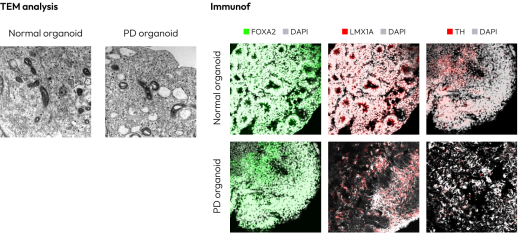
Result

Parkinson’s disease is characterized by the progressive loss of dopamine-producing neurons, driven in part by mitochondrial dysfunction. In our model, mitochondrial stress leads to impaired energy production, increased oxidative damage, and activation of cell death pathways.

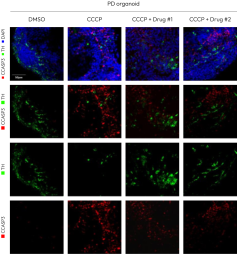
Upon treatment with the mitochondrial toxin CCCP, Parkinson’s disease organoids showed:

Reduced tyrosine hydroxylase (TH) expression, indicating dopaminergic neuron loss

Increased cleaved caspase-3 (cCasp3) expression, indicating elevated apoptosis

These results confirm the critical role of mitochondrial dysfunction in dopaminergic neuron degeneration and demonstrate the utility of our organoid platform for studying Parkinson’s disease mechanisms and evaluating therapeutic strategies.
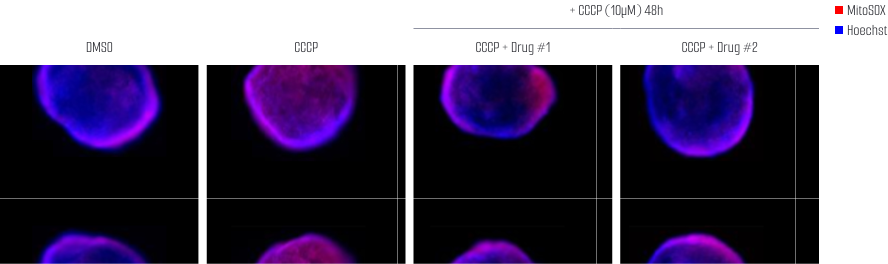
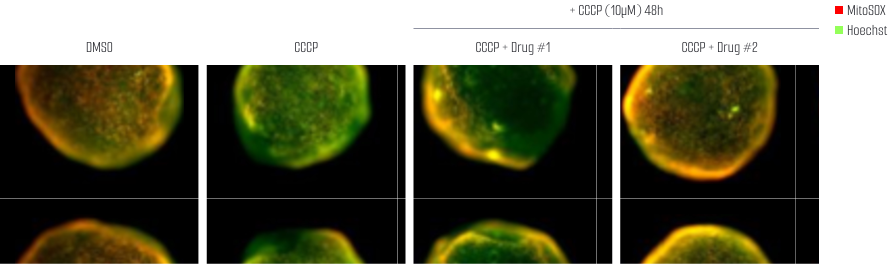
MitoSOX (ROS indicator)

This compound selectively binds to superoxide, a major marker of oxidative stress produced in the mitochondria. After CCCP treatment, the expression of MitoSOX was increased, indicating an elevation in mitochondrial oxidative stress. This supports the notion that mitochondrial dysfunction plays a critical role in Parkinson’s disease.
JC-1 (Mitochondrial membrane potential

JC-1 is used to measure mitochondrial membrane potential. When mitochondria are healthy, JC-1 shifts from green to red fluorescence, while a decrease in membrane potential causes a shift from red to green. After CCCP treatment, there was a tendency for JC-1 expression to shift from red to green, indicating a depolarization of the mitochondrial membrane and loss of function.

Discuss Your Parkinson’s Disease Research

Our scientists will help design a human-relevant disease modeling study.

Impact

  • Validated disease model

    Links mitochondrial dysfunction directly to dopaminergic neuron death in human tissue
  • Drug screening platform

    Test neuroprotective compounds in disease-relevant conditions
  • Future applications

    Study protein aggregation, oxidative stress, early-stage disease mechanisms, and gene-environment interactions
  • Precision medicine

    Patient-derived organoids enable personalized treatment strategies

Your CRO Partner for Neuroscience Drug Discovery

Human-relevant disease modeling services by Lambda Biologics

Read Other Case Study

Connect with Us