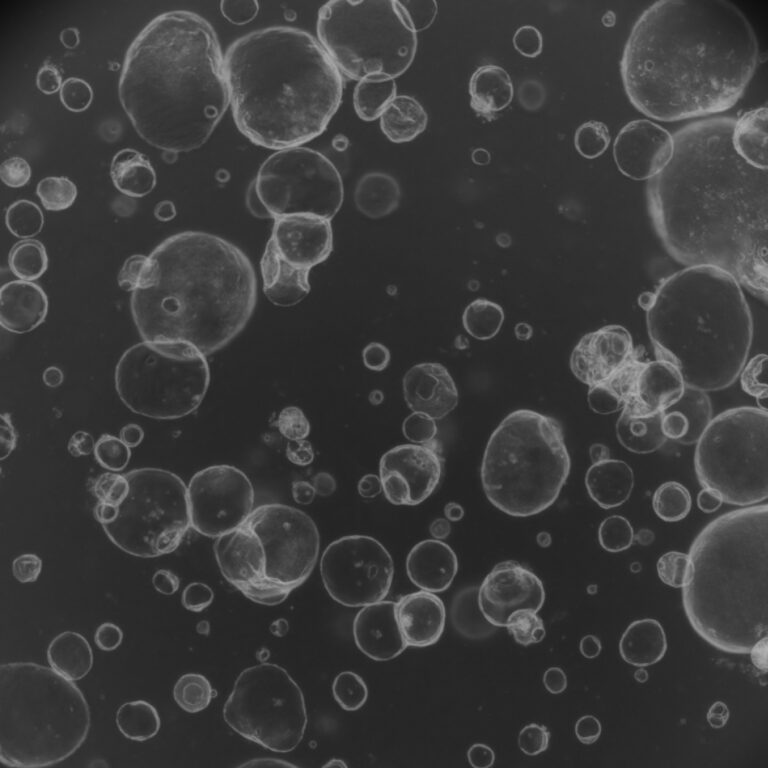
A new “zap-and-freeze” brain imaging method developed at Johns Hopkins Medicine is giving scientists unprecedented insight into how neurons communicate – and may help explain why most Parkinson’s cases arise without inherited genetic mutations. By delivering a rapid electrical pulse and instantly freezing brain tissue, researchers can capture synaptic events that occur in milliseconds, preserving the exact positions of vesicles and membranes for electron-microscopy analysis.
Image: ScienceDaily
In the study, published Nov. 24 in Neuron, the team applied the technique to living brain tissue from mice and to cortical samples obtained (with permission) from six patients undergoing epilepsy surgery. They observed, in real time, how synaptic vesicles fuse with the membrane to release neurotransmitters and are then rapidly retrieved and recycled through ultrafast endocytosis. This process is essential for healthy neuronal communication and is thought to malfunction in sporadic, nonheritable Parkinson’s – by far the most common form of the disease.
A key discovery was the presence of Dynamin1xA, a protein required for ultrafast membrane recycling, in both mouse and human neurons. This conservation suggests that mouse models accurately reflect human synaptic biology and strengthens their relevance for studying neurodegenerative disorders.
The researchers now hope to apply zap-and-freeze to brain tissue from people with Parkinson’s undergoing deep-brain stimulation, aiming to pinpoint how vesicle dynamics break down in affected neurons. The technique could open new paths for understanding the cellular mechanisms driving Parkinson’s and for developing future therapies.
Research article:
Lambda Biologics’ Organoid Solutions: Adult Tissue and PSC-Derived Organoid Models for Drug Discovery
Drug development demands accuracy, speed, and relevance to human biology. At Lambda Biologics, we deliver advanced organoid-based platforms that replicate the complexity of human organs – empowering pharmaceutical and biotechnology companies to make better decisions, faster.
Cerebral Organoid | Midbrain Organoid | Skin & Hair Organoid | Intestine Organoid |