The UK government has introduced a new strategy aimed at gradually reducing animal testing in scientific research, supported by £75 million in funding. Announced by Science Minister Lord Vallance on November 11, the plan represents an effort to transition toward alternative methods where feasible.
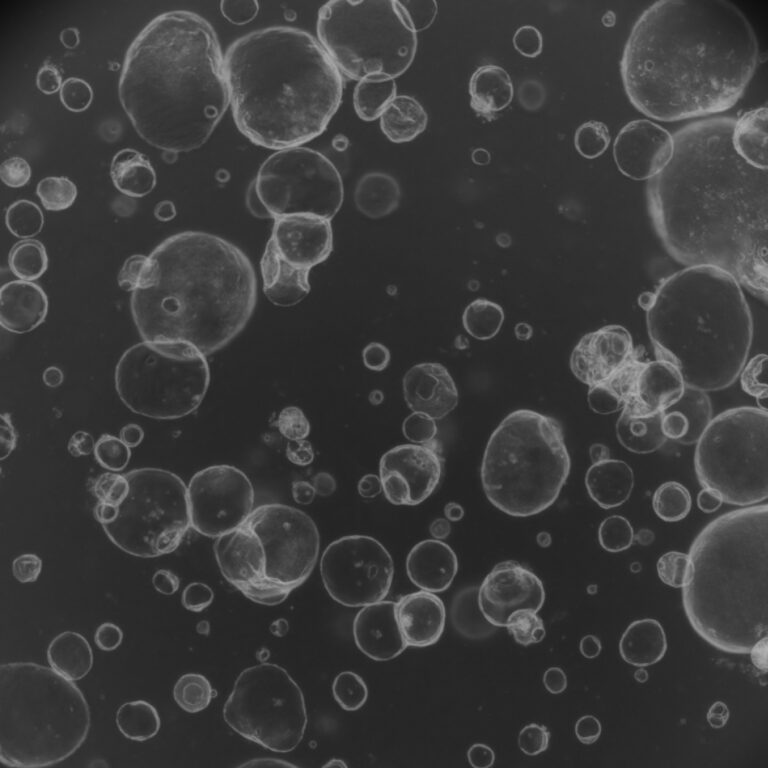
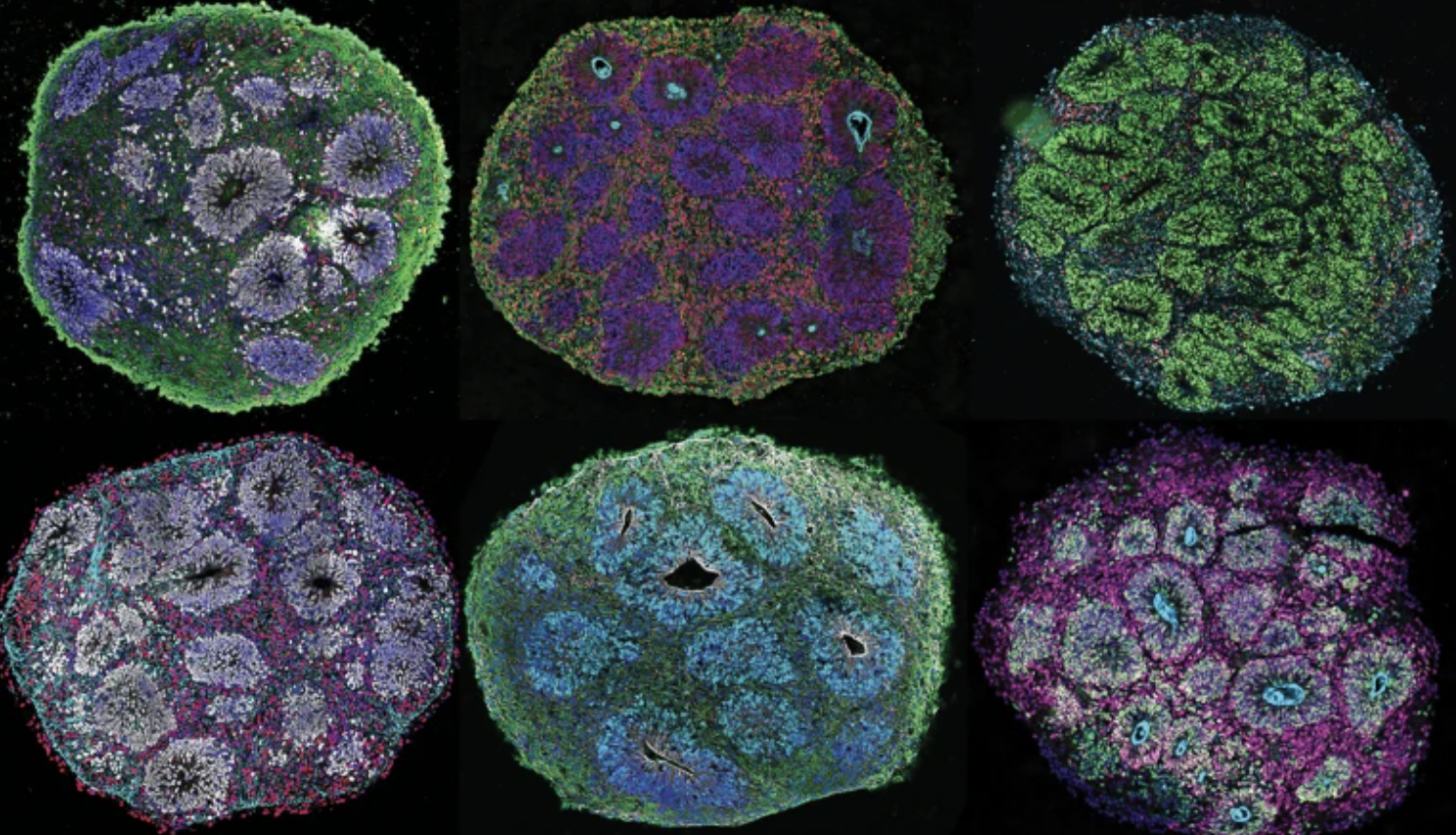
The approach focuses on exploring promising alternatives such as organ-on-a-chip systems that use human cells, AI technology to help predict how medicines might affect people, and 3D bioprinted tissues for testing purposes.

Image: freepik
Proposed Timeline:
The plan suggests ending regulatory animal testing for skin and eye irritation by late 2026. By 2027, there’s hope to move away from using mice for certain botox tests and shift to DNA-based methods for checking medicine contamination. The goal for 2030 includes reducing some drug studies on dogs and non-human primates.
The initiative allocates £60 million toward creating a collaborative research hub and a center to help navigate regulatory approval for new methods. Another £15.9 million from research councils and the Wellcome Trust will support development of organ-on-a-chip systems and human disease models.
Both animal welfare advocates and scientists have acknowledged the strategy as a meaningful step forward, while recognizing the challenges ahead. The plan accepts that animal testing can only be replaced when alternative methods can truly match current safety standards. It’s a cautious but hopeful approach toward reducing animal suffering while trying to maintain the rigorous testing needed to keep people safe.
Read more: