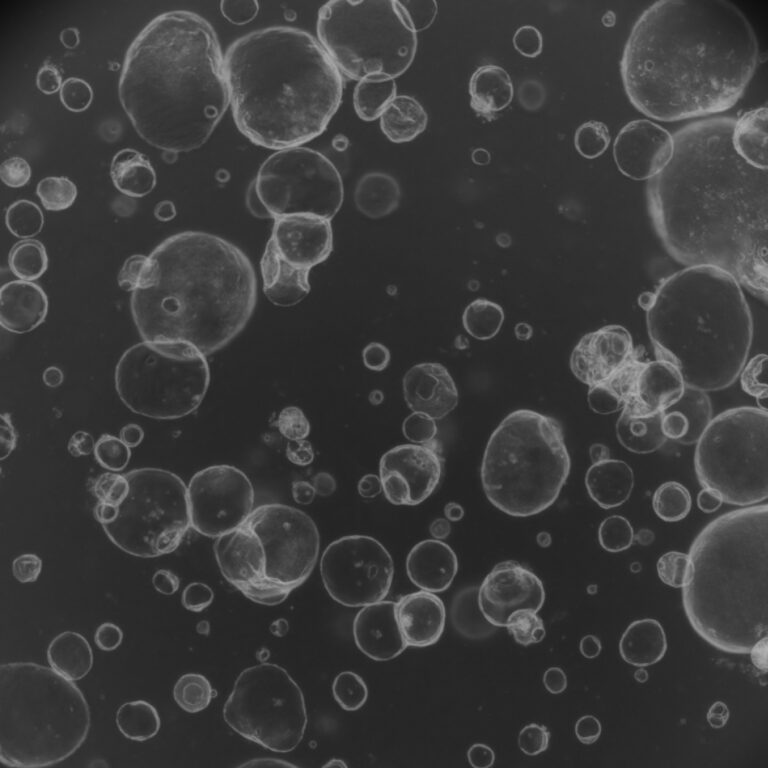
A recent study published in Cell Stem Cell highlights how advances in tumor tissue engineering are enabling the development of more physiologically relevant 3D cancer models by integrating organoids with biomaterials, microfluidics, and biofabrication technologies. These systems better recapitulate key features of native tumors, including architecture, cellular heterogeneity, and microenvironmental interactions, thereby improving disease modeling and drug response prediction.
Organoids derived from patient tissues or stem cells have emerged as powerful platforms due to their ability to preserve tumor-specific characteristics and support long-term expansion. In particular, patient-derived organoids show promise as predictive tools for personalized therapy. However, their broader clinical application remains constrained by challenges such as tumor microenvironment complexity, interpatient variability, and limited reproducibility.
To address these limitations, recent efforts have focused on developing defined synthetic matrices, incorporating organ-on-chip systems, and applying advanced biofabrication techniques. In parallel, the integration of artificial intelligence and standardized benchmarking against patient data is expected to enhance model reliability and translational potential. Collectively, these approaches aim to bridge the gap between experimental models and clinical reality.
Research article: Reconstructing tumor tissues in 3D: From organoids to bioengineered niches
Lambda Biologics’ Oncology Solutions: Patient-derived cancer organoid-based drug evaluation service
Gastric Cancer Organoid | Breast Cancer Organoid | Hepatocarcinoma Cancer Organoid | Pancreatic Cancer Organoid