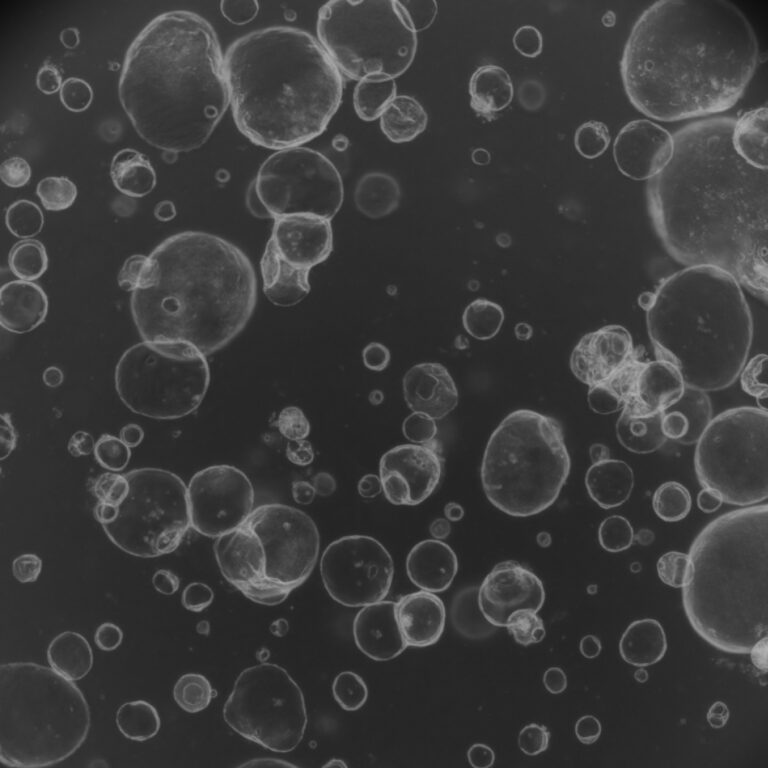
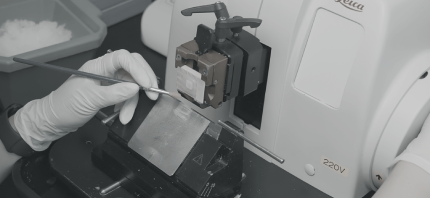
What if the ground beneath our feet is a library? Not metaphorically, but literally – a vast, layered archive of life, written in molecules too small to see. That is precisely what scientists are discovering. By extracting ancient DNA from cave soils and permafrost sediments, researchers are recovering the genetic signatures of organisms that lived hundreds of thousands of years ago – including Neanderthals, Denisovans, and our own ancestors. No bones required. Just dirt.
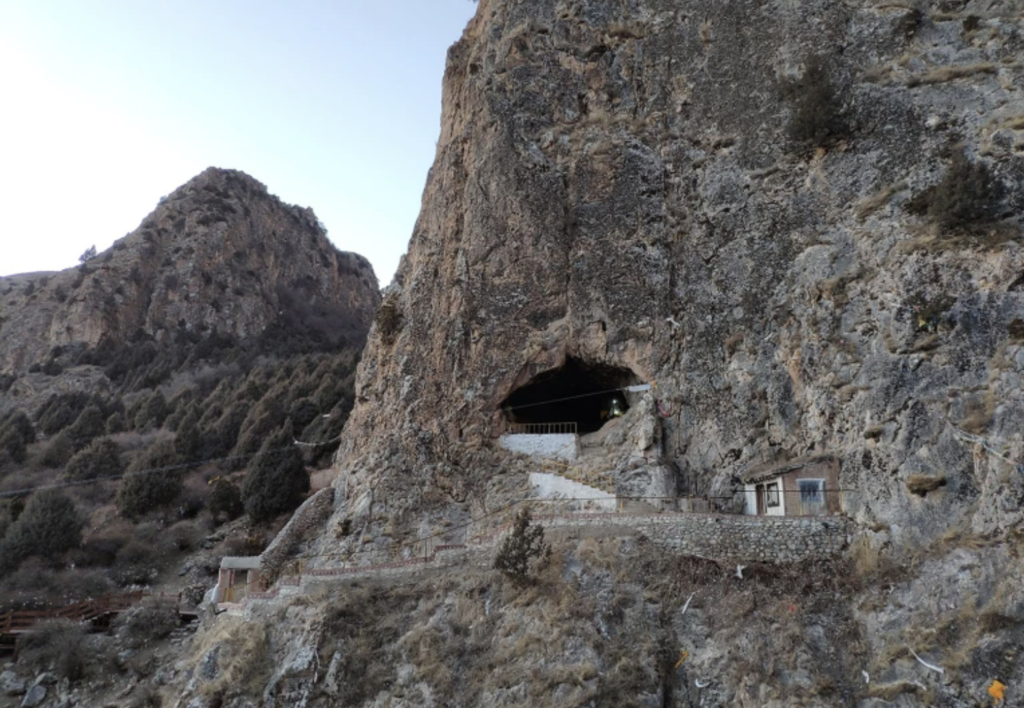
There is something quietly poetic about this. The same instinct that drives an archaeologist to read meaning from a shard of pottery, or a literary scholar to reconstruct a lost civilization from fragmented texts, now animates the geneticist crouching over a soil sample. We have always believed that the past leaves traces. Science is simply finding new ways to listen. As researchers dream of one day identifying the makers of ancient cave paintings through sedaDNA, the line between biology and cultural heritage dissolves entirely. The earth remembers. We are only just learning to ask it the right questions.
Read more: