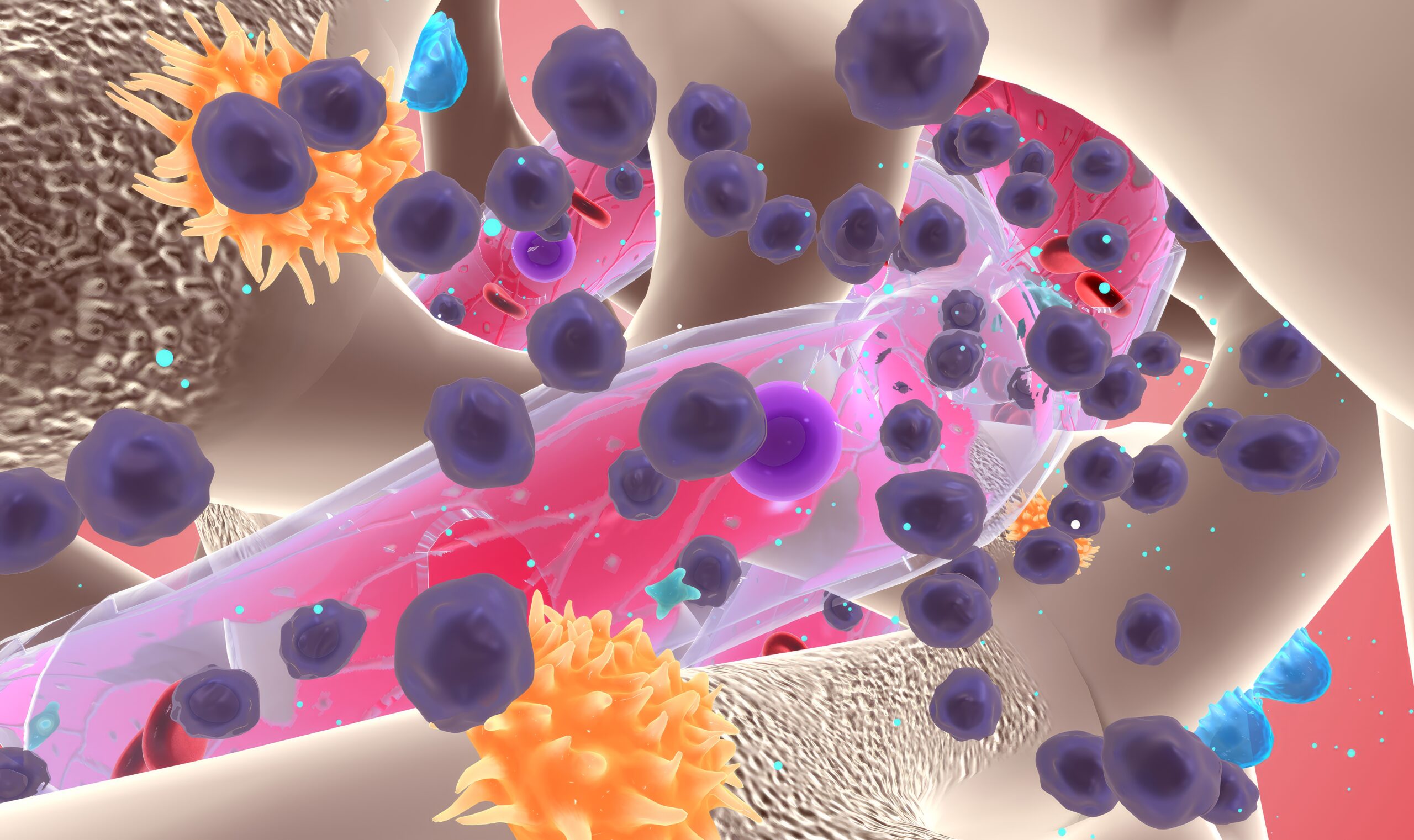
Cracking Drug Resistance with Single-Cell Tumor Organoid Arrays
Journal: Microsystems & Nanoengineering
Author: Lin, D., Luo, Y., Chen, J. et al., China
Researchers developed a microfluidic chip that generates thousands of single-cell-derived tumor organoids, enabling high-resolution mapping of tumor heterogeneity and drug responses in colorectal cancer. By linking phenotypic drug resistance with RNA-seq analysis, the platform identifies and validates patient-specific drug combinations that more effectively overcome chemotherapy resistance.
Organoids Uncover a Shared Metastatic Pathway in Feline and Human Breast Cancer
Journal: Scientific Reports
Author: Yamamoto, H., Elbadawy, M., Tsunedomi, R. et al., Japan, Egypt
Using feline breast cancer organoids, researchers showed that these models faithfully capture tumor heterogeneity, drug responses, and aggressive behavior seen in metastatic disease. The study identified the LMTK3/FADS2 signaling axis as a conserved driver of breast cancer progression in both cats and humans, linking pathway activation to poor patient survival and highlighting a new therapeutic target.
AI-Powered Liquid Biopsy Detects Brain Tumors Without Surgery
Journal: Nature Nanotechnology
Author: Goerzen, D., Kim, M., Schroff, C. et al., USA
Researchers developed a machine-perception liquid biopsy that combines nanosensors and machine learning to detect and classify brain tumors from blood samples with 98% accuracy. By decoding protein signatures from tumor cells, the tumor microenvironment, and the immune system, the approach reveals a systemic biomarker landscape that enables highly sensitive, non-invasive brain cancer diagnosis.
Generative AI Designs DNA Switches for Precise Gene Control
Journal: Nature Genetics
Author: DaSilva, L.F., Senan, S., Kribelbauer-Swietek, J.F. et al., UK, USA, Switzerland, Australia, Canada, Romania
DNA-Diffusion is a generative AI framework that designs compact, cell-type-specific regulatory DNA elements by learning transcription factor binding rules from genome accessibility data. Validated at scale and in native genomic contexts, the approach enables precise gene modulation and advances the design of next-generation gene therapies and synthetic biology tools.