Peritumoural Adipose Tissue Promotes Immune Escape in Colorectal Cancer
Journal: Nature Cell Biology
Author: Wang, JH., Zheng, YQ., Qian, ZY. et al., China
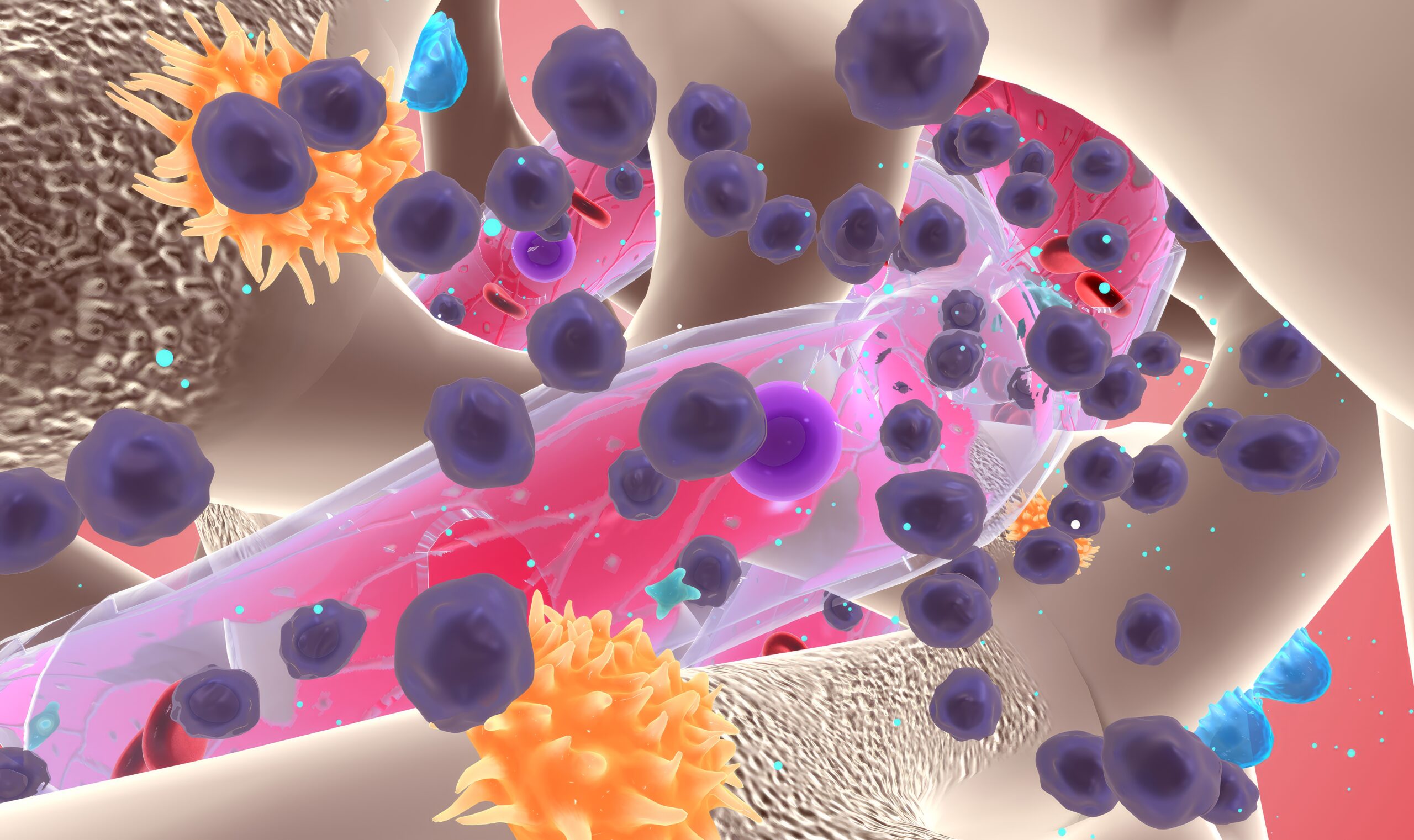
Single-cell RNA analysis shows that peritumoural visceral adipose tissue (tVAT) in colorectal cancer is highly immune-infiltrated, particularly with tumour-specific CD8+ T cells, but competes with the tumour for these immune cells via activation of the CXCL12-CXCR4 axis. Tumour-driven adipose-mesenchymal transformation increases CXCL12-secreting fibroblasts in tVAT, promoting immune evasion, while targeting this adipose–tumour interaction enhances the efficacy of anti-PD-1 therapy.
Shape-Conformal 3D Interfaces Enable High-Resolution Electrophysiology in Neural Organoids
Journal: Nature Biomedical Engineering
Author: Liu, N., Shiravi, S., Jin, T. et al., USA
Researchers developed a soft, shape-matched porous 3D framework that self-assembles around neural organoids, providing near-complete surface coverage and high-channel-count interfaces for precise electrophysiology and electrical stimulation. This platform enables high-resolution 3D mapping of neural network activity while supporting fluorescence imaging, optogenetics, longitudinal monitoring, pharmacological testing, and disease modeling in human cortical and spinal organoids.
Steroid-Induced Metabolic Rewiring Opens New Imaging and Therapeutic Paths for Glioblastoma
Journal: Science Advances
Author: Maria Francesca Allega et al.
Dexamethasone reshapes glioblastoma metabolism by activating glucocorticoid receptor–driven NNMT activity, leading to marked accumulation of N1-methylnicotinamide in tumors compared to surrounding brain tissue. This tumor-specific metabolic shift enables a novel 11C-nicotinamide PET imaging strategy and reveals vulnerability to combined dexamethasone treatment and methionine-restricted diet, offering new therapeutic opportunities.
Engineered Crypt Geometry Reveals YAP1-Controlled Intestinal Maturation
Journal: Cell Stem Cell
Author: Maimets, Martti et al.
Engineered scaffolds that mimic intestinal crypt geometry drive fetal intestinal epithelial cells toward mature, multi-lineage tissues by promoting epithelial organization and differentiation. This maturation is triggered by cell crowding–mediated reduction of YAP1 activity, demonstrating that tissue architecture directly regulates cell fate transitions and lineage specification in development.