Mapping How Human Brain Organoids Respond to Development Signals
Journal: Nature Methods
Author: Sanchís-Calleja, F., Azbukina, N., Jain, A. et al., Switzerland / Denmark
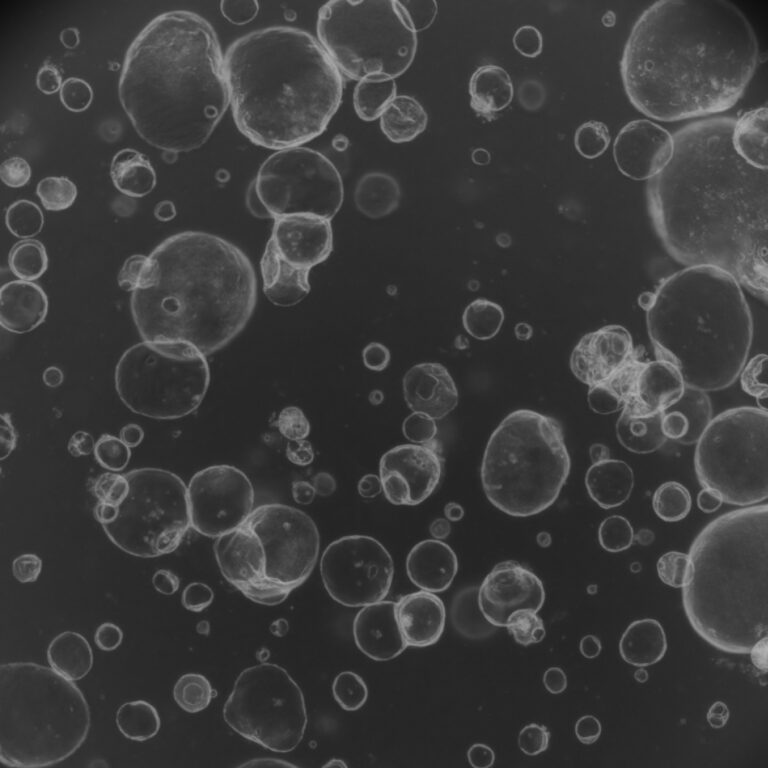
Researchers conducted comprehensive single-cell screens to understand how neural organoids develop different brain region identities when exposed to morphogens – molecular signals that guide tissue development. Their findings reveal that the timing, concentration, and combination of these signals, along with the specific cell lines and methods used, critically determine which brain cell types emerge, creating a valuable resource for predicting and controlling stem cell differentiation outcomes.
New Coating Technology Helps Titanium Implants Fight Infection While Promoting Bone Growth
Journal: Scientific Reports
Author: Morganti, D., Franco, D., Rizzo, M. et al., Italy
Researchers developed a manganese-doped zinc oxide coating for titanium implants that addresses a major challenge in bone surgery: preventing post-operative infections while supporting bone regeneration. The modified surface reduced bacterial growth by over 80% for Staphylococcus aureus while maintaining biocompatibility and actively promoting bone cell differentiation, offering a promising solution for the two million bone surgeries performed annually worldwide.
Patient-Derived Organoids Transform Cancer Immunotherapy Testing and Development
Journal: npj Biomedical Innovations
Author: Kang, X., Cheemalamarri, S.K. & Yin, Q., USA
Researchers review how three-dimensional organoid technology – miniature lab-grown tissues derived from patient tumors – is revolutionizing cancer immunotherapy by providing a more accurate platform to model tumor-immune interactions and predict treatment responses. These self-organizing structures preserve the genetic and structural complexity of native tumors while overcoming limitations of traditional animal models, enabling personalized testing of therapies like checkpoint inhibitors and CAR-T cells before they reach patients.
Novel Three-Target Antibody Awakens Dormant Immune Cells to Attack Resistant Tumors
Journal: Nature Biomedical Engineering
Author: Yang, C., Guo, S., Ye, K. et al., China
Scientists developed a trispecific antibody that simultaneously targets tumor cells, immune-suppressing signals, and T cells to overcome resistance in hard-to-treat cancers like ovarian and colorectal tumors. The engineered molecule redirects abundant but inactive “bystander” T cells already present in tumors, triggering a cascade that reprograms suppressive immune cells into tumor-fighting allies, with machine learning models helping predict which patients will respond best to this approach.