A Single-Cell Atlas of Human Intestinal Organoid Responses to Inflammatory Signals
Journal: Nature Communications
Author: Capeling, M.M., Chen, B., Aliar, K. et al., USA
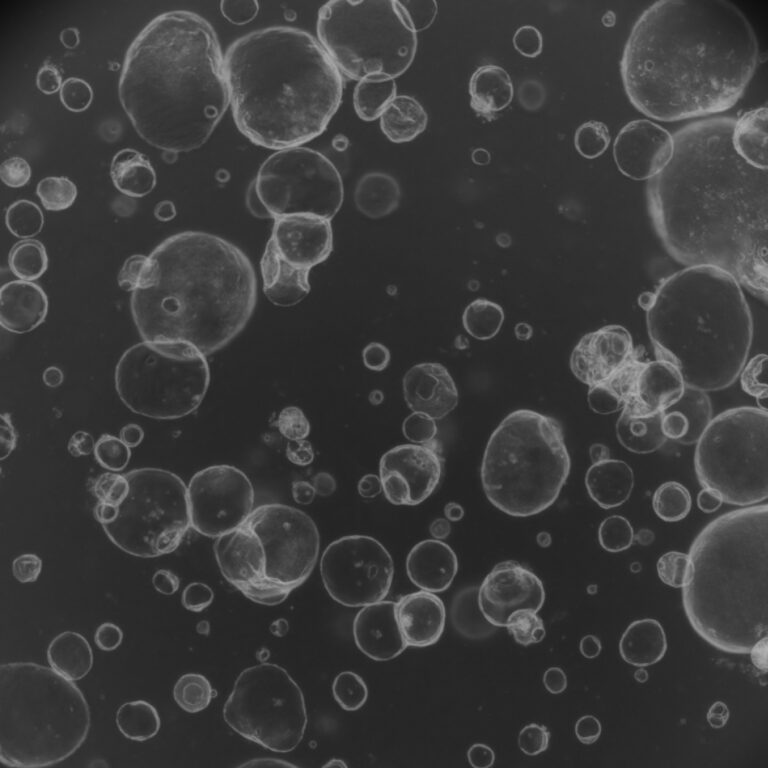
Researchers developed a disease-relevant human colonic organoid model of inflammation and created a single-cell “dictionary” of epithelial responses to 79 secreted niche factors using multiplexed scRNA-seq. By mapping these responses to human IBD tissue atlases, the study reveals cell type–specific pathways and microenvironmental cues that govern epithelial injury, repair, and homeostasis in inflammatory bowel disease.
Organoid Culture Enables Functional CD4⁺ iNKT Cells From iPSCs
Journal: Communications Biology
Author: Shiina, S., Ueda, T., Iriguchi, S. et al., Japan
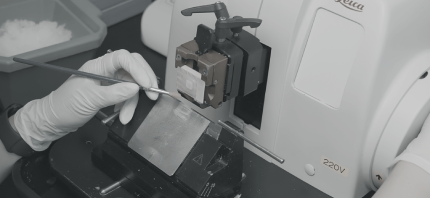
Using an artificial thymic organoid system, researchers successfully generated CD4⁺ invariant natural killer T (iNKT) cells from induced pluripotent stem cells – an iNKT subtype that could not be produced in prior 2D cultures. These 3D-derived iNKT cells showed antigen-specific helper functions and immune-activating activity, highlighting their potential as an adjuvant cell source for enhancing T-cell – based cancer immunotherapies.
Ex Vivo Drug Screening Expands Options in Pediatric Precision Oncology
Journal: npj Precision Oncology
Author: Schoonbeek, M.C., Gestraud, P., Vernooij, L. et al., Netherlands
This study shows that rapid ex vivo drug sensitivity profiling using pediatric solid tumor PDX models is feasible, reproducible, and complementary to molecular profiling, identifying effective treatments in 94% of cases. By uncovering functional drug responses – including in tumors without clear targetable mutations – the approach broadens therapeutic options and supports integrating drug screening with genomics and transcriptomics in next-generation pediatric oncology diagnostics.
AI Agents Are Redefining Cancer Research and Oncology
Journal: Nature Reviews Cancer
Author: Truhn, D., Azizi, S., Zou, J. et al., Germany
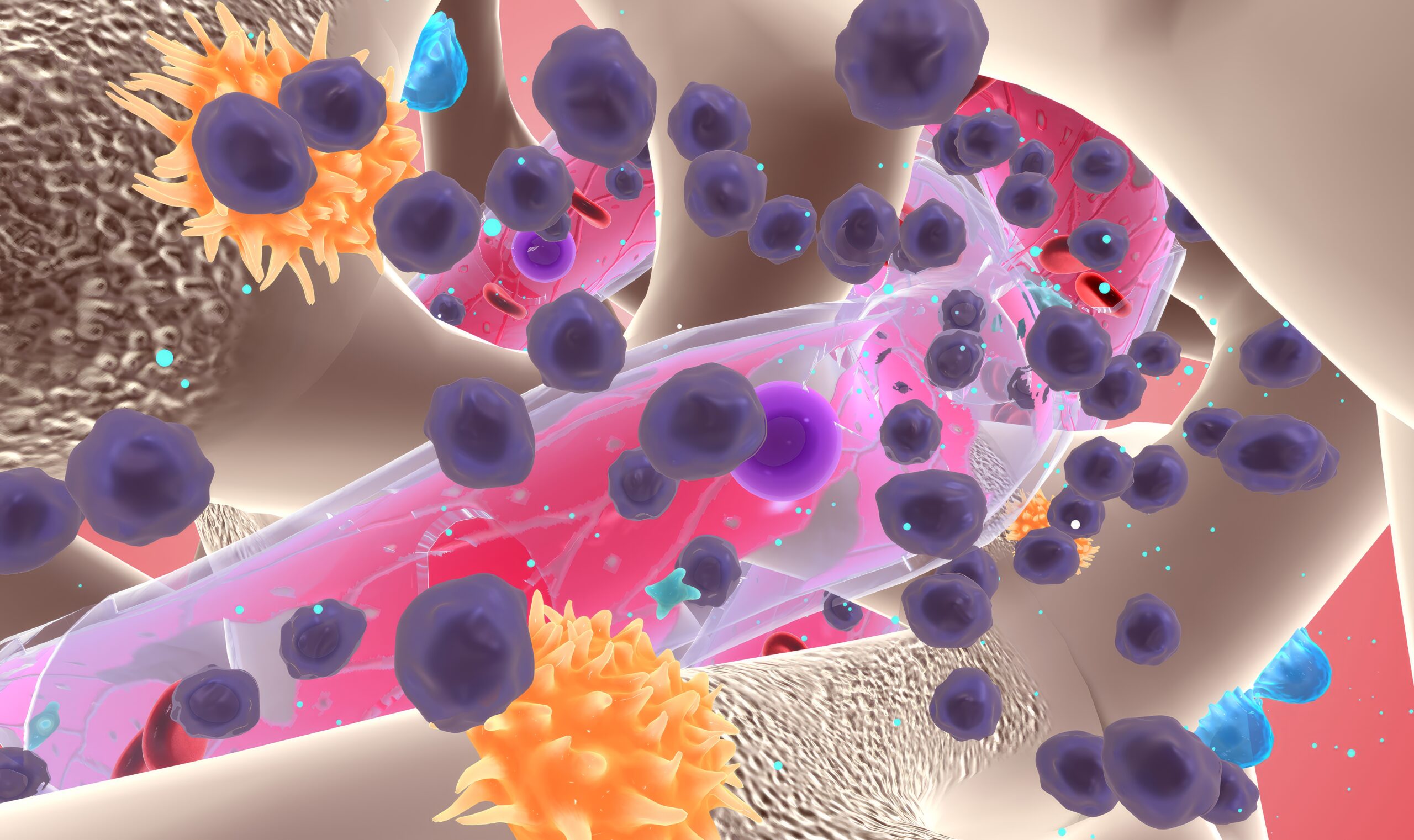
Advances in large language models have enabled AI systems to act as semi-autonomous agents that can reason, plan, and execute complex workflows, moving beyond traditional prediction-focused AI. In cancer research and oncology, these AI agents are increasingly used for tasks ranging from drug discovery to clinical decision support, while raising important questions around limitations, ethics, and regulation that researchers and clinicians must now address.