Intestinal Crypts as Hidden Reservoirs for Persistent HEV Infection
Journal: Science Advances
Author: Sarah Prallet et al.
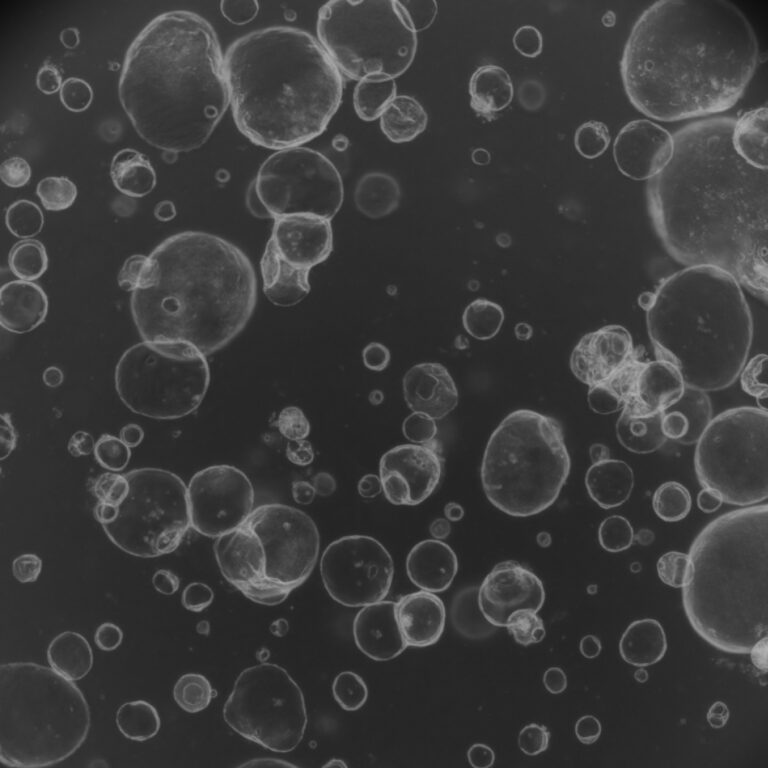
A recent study on Science Advances study shows that hepatitis E virus (HEV) preferentially infects proliferative transit-amplifying and intestinal stem cells within intestinal crypts, as demonstrated in human intestinal organoids and confirmed in patient tissue. By spreading through cell division and persisting for over 40 days, HEV may exploit these self-renewing cells as reservoirs, offering a potential explanation for chronic infection in immunocompromised individuals.
Stromal PAI1–tPA Axis Drives Immune Suppression in Pancreatic Cancer
Journal: Science Advances
Author: Tenzin Ngodup et al.
This study identifies a fibroblast-derived PAI1–tPA regulatory axis in the tumor stroma that controls immune responses in pancreatic ductal adenocarcinoma (PDAC), where hypoxia-induced PAI1 promotes immunosuppressive macrophages and limits CD8+ T cell activity. Disrupting this balance impairs antitumor immunity and accelerates tumor progression, highlighting the stromal PAI1–tPA axis as a potential therapeutic target.
CRISPR Screens Reveal RNA-Based Strategies to Boost T Cell Killing of Cancer Cells
Journal: Nature Genetics
Author: Akana, R.V., Yoe, J., Laveroni, O. et al.
Using high-content CRISPR activation and in situ Perturb-seq screens, this study identifies RNA-based, synthetically lethal mechanisms that enhance cancer cell sensitivity to T cell receptor (TCR)-mediated cytotoxicity. Key regulators converge on shared pathways that restore targeted immune killing, revealing context-specific gene functions and potential strategies to improve T cell–based therapies.
Zinc Modulation Enhances Hypoxia Adaptation and Vascularization in Islet Organoids
Journal: Cell Stem Cell
Author: Zhaoyue Wang, Minglu Xu, Rui Hu et al.
This study shows that inhibiting zinc transport in stem cell-derived islet organoids activates AMPK signaling, improving cellular maturation, hypoxia tolerance, and VEGFA-driven angiogenesis. Preconditioned organoids demonstrate enhanced vascularization, graft survival, and function in diabetic models, highlighting a promising strategy to overcome transplantation-related stress.