Bidirectional Brain–Tumor Circuits Beyond the CNS
Journal: Nature Oncogene
Author: Li, W., Huo, R., Liu, S. et al., China
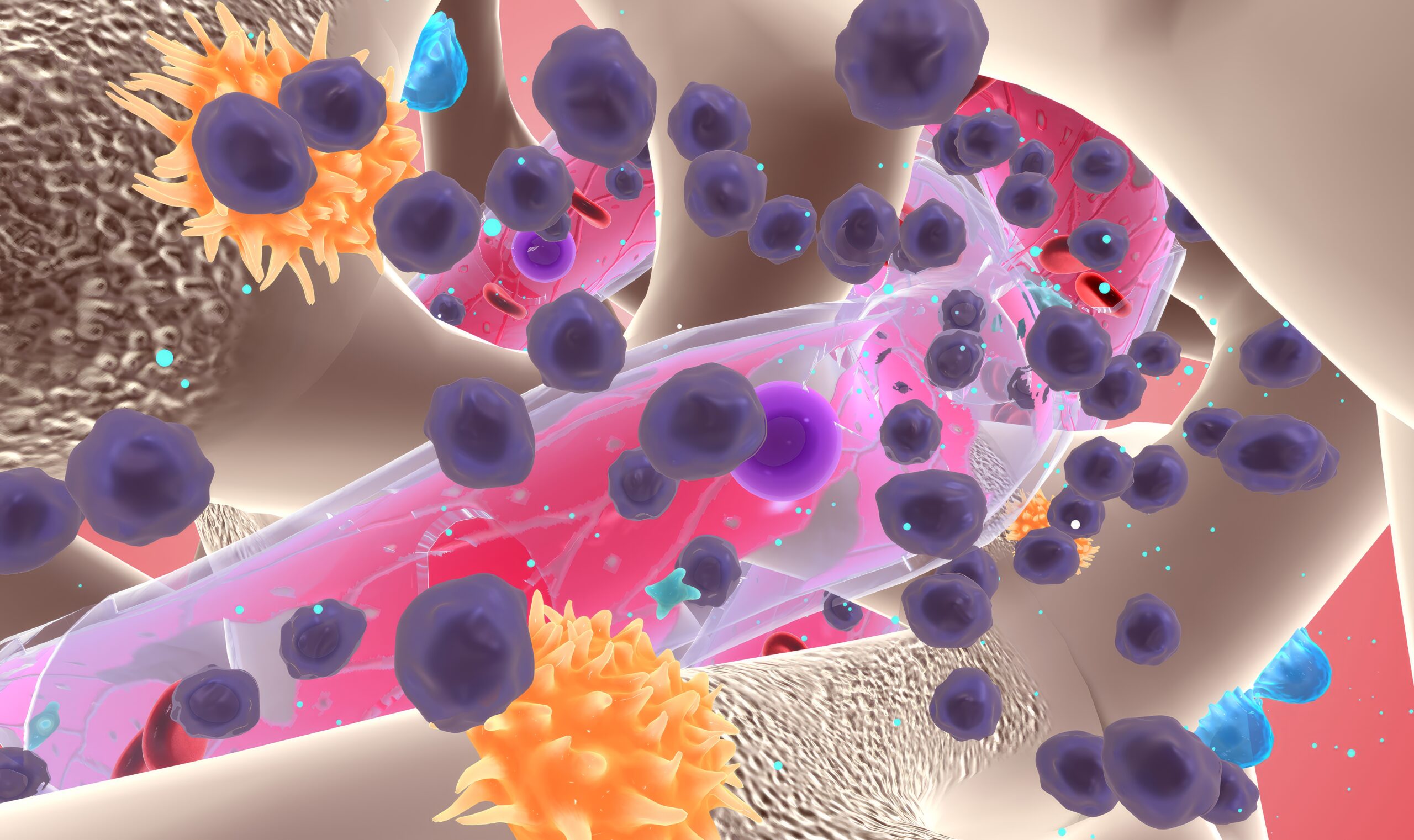
Recent studies reveal functional neural and neuroendocrine circuits linking specific brain regions to peripheral tumors, shaping tumor microenvironments, systemic immunity, and metabolism despite limited evidence for brain-driven tumor initiation. This bidirectional communication – where tumors also alter brain activity and behavior – opens translational opportunities to modulate cancer progression through neuromodulation, behavioral, and lifestyle-based interventions.
HCMV-Induced EMT and Barrier Dysfunction in Cholangiocyte Organoids
Journal: Nature Communications
Author: Ye, Z., Hu, X., Rahaman, S.M. et al., China
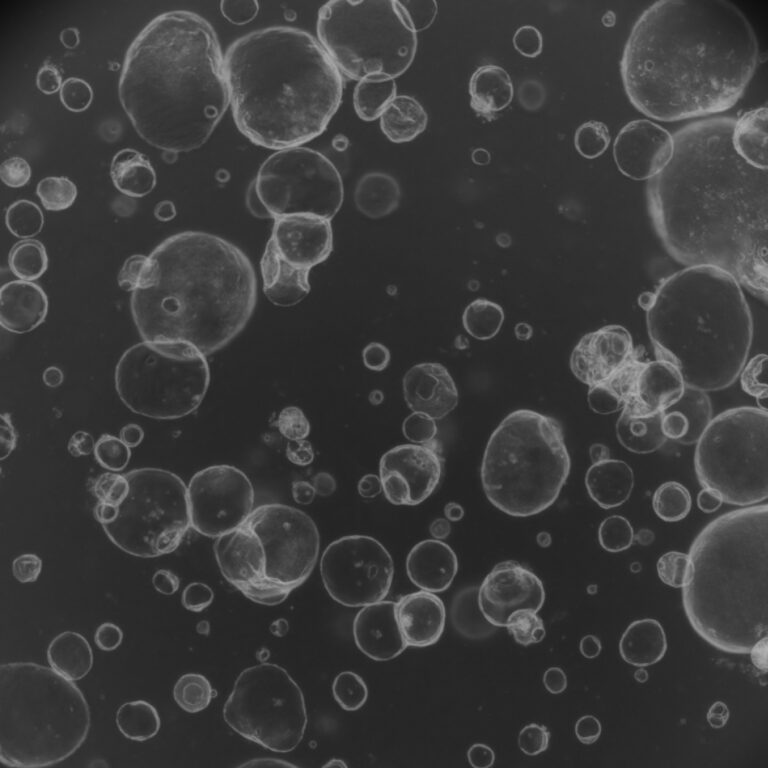
Using a human iPSC-derived cholangiocyte organoid model, this study demonstrates that HCMV can directly infect bile duct epithelium, leading to impaired growth, structural deformation, and loss of barrier function. HCMV infection activates TGF-β–dependent epithelial–mesenchymal transition across distinct cellular states, a mechanism validated in biliary atresia patient tissues and implicated in virus-associated cholangiopathies.
Scalable Vascularized Kidney Organoids with Functional Human Glomeruli
Journal: npj Biomedical Innovations
Author: Tekguc, M., Matsumoto, T., Altenburger, L.M. et al., USA
This study introduces a cost-effective, bioreactor-based system that enables mass production of vascularized kidney organoids with over 50-fold higher efficiency and enhanced nephron maturation driven by mechanosensory integrin signaling. The resulting human endothelium–integrated organoids demonstrate in vivo glomerular filtration with size selectivity, marking a key advance toward translational and commercial kidney replacement therapies.
Optimized Inflammatory Modeling in Preterm Intestinal Organoids
Journal: npj Gut and Liver
Author: Chapman, J.A., Frey, A.M., Dueñas, M.E. et al., UK
This study establishes an optimized anaerobic co-culture system for inducing physiologically relevant inflammation in preterm infant–derived intestinal organoids, reflecting the gut oxygen gradient. A defined combination of apical LPS and basolateral flagellin triggers robust cytokine signaling, immune recruitment cues, and tissue remodeling, providing a standardized framework to study microbiome–host interactions in preterm gut disease.