Two centuries after Mary Shelley first imagined Frankenstein, the story continues to resonate. Its return as an Oscar-nominated film in 2026 is not driven by nostalgia or spectacle, but by a question that remains deeply relevant: what responsibility accompanies creation?
Read more: Oscar nominations 2026: Full list of nominees
At its core, Frankenstein follows Victor Frankenstein, a gifted yet arrogant scientist who assembles a living being from human remains and animates it using electricity. When the creature comes to life, it is immediately rejected – by society and by its creator. Isolated and unloved, it searches for identity, connection, and meaning, before turning toward violence as a response to abandonment. The narrative unfolds as a tragedy of responsibility, probing the fragile boundary between creator and creation, and asking a question that has endured for generations: who, in this story, is the real monster?
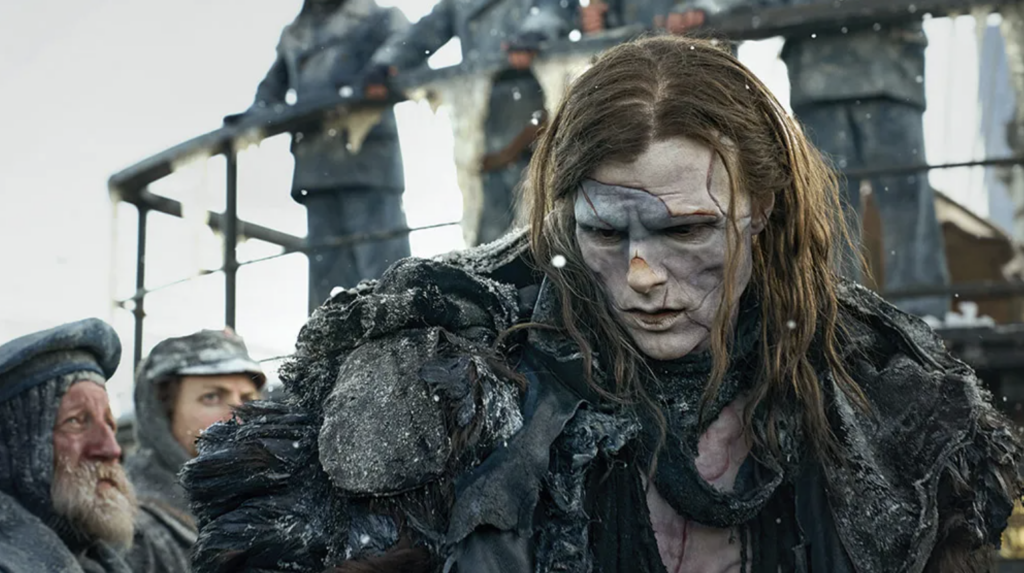
In Guillermo del Toro’s interpretation, the ethical tension lies not in the act of creating life, but in what follows. The creature is not presented as a failure of science, but as a consequence of scientific ambition detached from care. This perspective aligns closely with contemporary debates around science ethics, where the focus is shifting from what can be created to how those creations are treated once they exist.
Read more: It’s Alive! Frankenstein Is Now Streaming on Netflix
Rather than condemning scientific progress, Frankenstein underscores the importance of human-relevant thinking – placing empathy, responsibility, and long-term consequences at the center of innovation. Cinema plays a critical role here by translating abstract ethical questions into lived experience, making them accessible beyond academic or technical contexts.
It is notable that Frankenstein appears alongside other Oscar nominations films this year, including Sinners, One Battle After Another, and Hamnet, many of which explore identity, power, memory, and moral responsibility. Together, these works reflect a broader cultural moment in which science, art, and ethics are increasingly understood as inseparable.
Read more: Stranger Things, Trauma, and The Biology of Chronic Stress