In 2025, biotechnology stepped onto the cultural stage through Cracking the Code: Phil Sharp and the Biotech Revolution, a documentary featured on PBS’s Independent Lens. Rather than presenting science as abstract discovery, the film frames biotechnology as a deeply human story- one shaped by curiosity, persistence, and cultural context.
At its core is Philip Sharp’s Nobel Prize–winning discovery of RNA splicing, a finding that fundamentally changed how we understand gene expression. The film traces how this insight helped unlock modern biotech, from mRNA vaccines to targeted therapies, while simultaneously reshaping how society thinks about DNA – not as a static code, but as a dynamic, interpretable language.
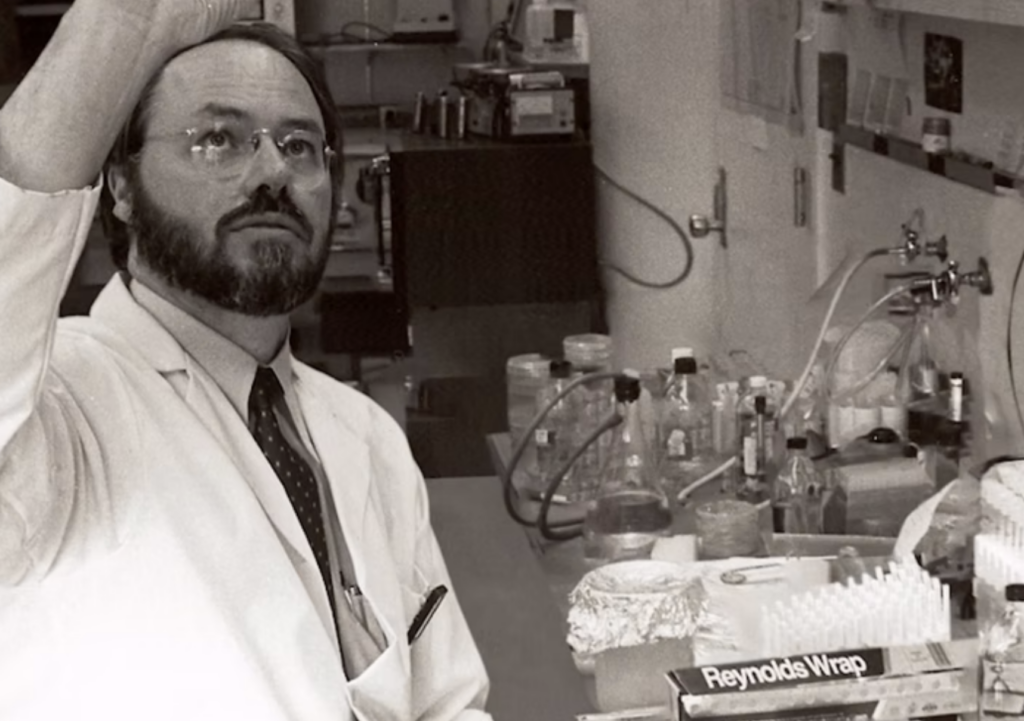
What makes Cracking the Code culturally compelling is its storytelling approach. Narrated by Mark Ruffalo, the film bridges laboratory science with public imagination, positioning biotechnology alongside other creative disciplines that influence how we see the world. Scientific breakthroughs are presented not only as technical milestones, but as cultural forces that inform ethics, industry, and collective futures.
In an era where biotechnology increasingly intersects with everyday life, Cracking the Code reminds us that science is also a narrative art – one that shapes how societies understand progress, responsibility, and what it means to design life itself.
Read more: