Home » Latest Research Trends » Organoid » Parechovirus Infection in Human Brain Organoids: Host Innate Inflammatory Response and not Neuro-infectivity Correlates to Neurologic Disease

Parechovirus Infection in Human Brain Organoids: Host Innate Inflammatory Response and not Neuro-infectivity Correlates to Neurologic Disease

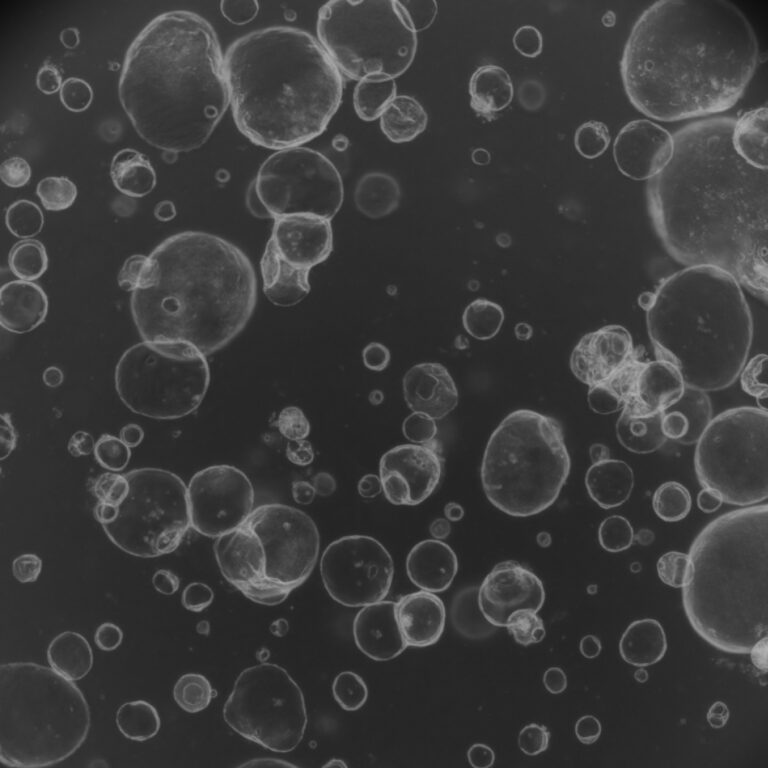
Picornaviruses, including parechovirus A3 (PeV-A3) and echovirus 11 (E11), can cause severe central nervous system (CNS) infections, while the prevalent PeV-A1 genotype is not associated with CNS disease. To understand these differences, researchers utilized human brain organoids and clinical isolates of PeV-A genotypes. They found that both PeV-A1 and A3 infect brain organoids similarly, indicating that differences in neurological disease are not due to infectivity of CNS cells. However, proteomic analysis revealed that PeV-A infection alters host cell metabolism, and the inflammatory response to PeV-A3 (and E11) is more potent than PeV-A1 infection. These findings suggest that neuroinflammation, rather than viral replication, plays a significant role in PeV-A3 (and E11) infection, aligning with clinical observations.

Keywords: organoids, patient-derived organoids, neurological disease, brain organoids
Subscribe
to the latest updates in the newsletter

Related Solutions

  • Disease Modeling
  • Oncology
  • Organoid
  • Cosmetics
  • OECD TG
  • Zebrafish
  • Bioinfomatics
  • Live&3D Imaging
  • Molecular biology
  • Spatial Biology
Technical Service

Next Articles

Thank you for your submission.

Our team has received your request and will get back to you shortly with tailored workflows and relevant case studies for your ADC efficacy and toxicity evaluation needs.
If you do not receive our confirmation email, kindly check your spam or junk folder.

Thank you for your insterest

You can now download the file.

Connect with Us