

Price | 1784€+ |
Organism | Human |
Product Type | Tissue derived organoid |
Tissue | Liver |
Disease | Hepatocellular carcinoma |
Applications
Toxicity
Small molecules
mRNA
Antibody
Cancer vaccine
Immune Cells
Immuno Oncology with TME
Cytotoxic T cell
TIL (Tumor infiltrating lymphocytes)
Regulatory T cell
Macrophage
CAF (Cancer associate fibroblast)

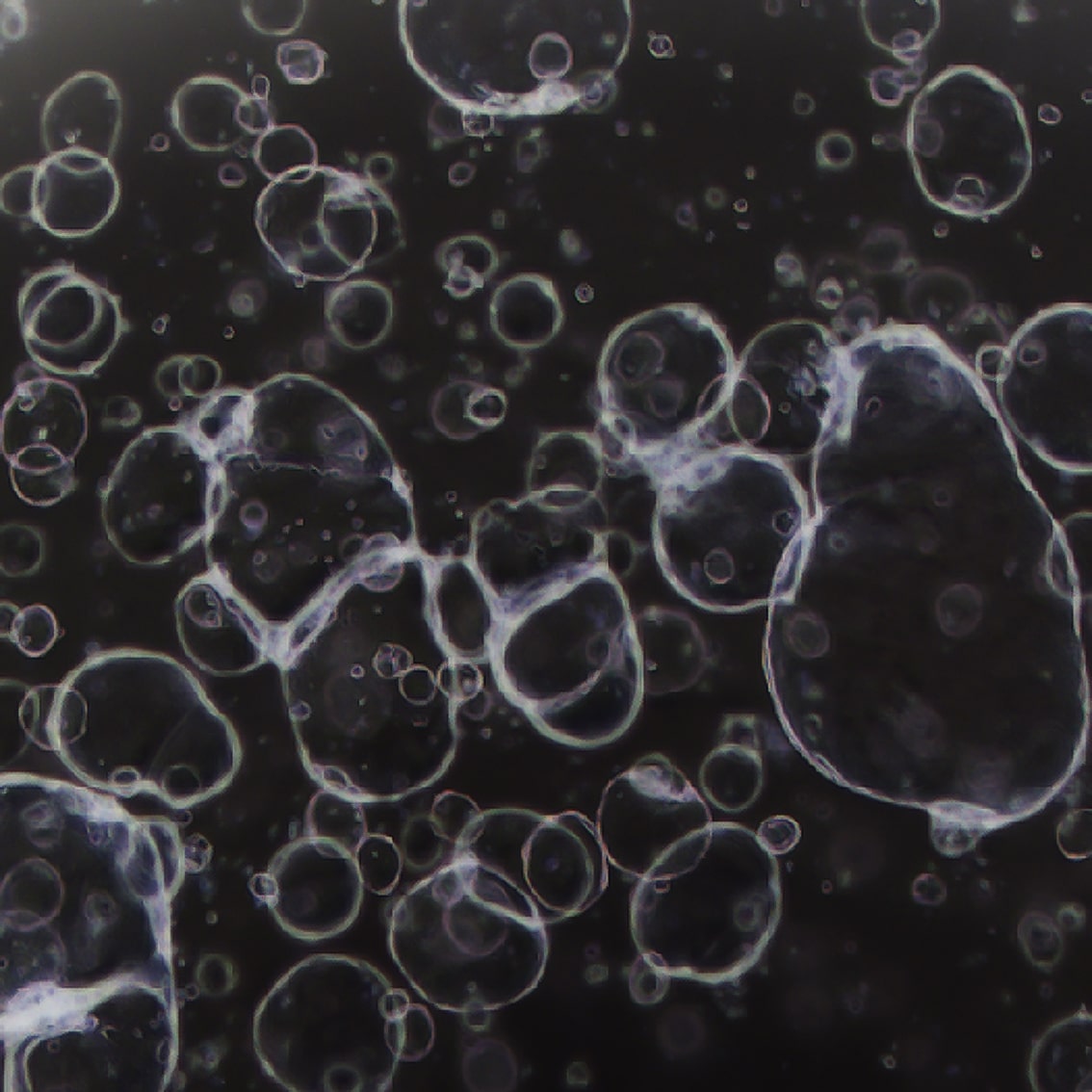
Holotomography is a groundbreaking technology that enables high-resolution observation of dynamic changes in cells without fluorescent staining, while preserving their natural state. This technique does not interfere with the physiological...
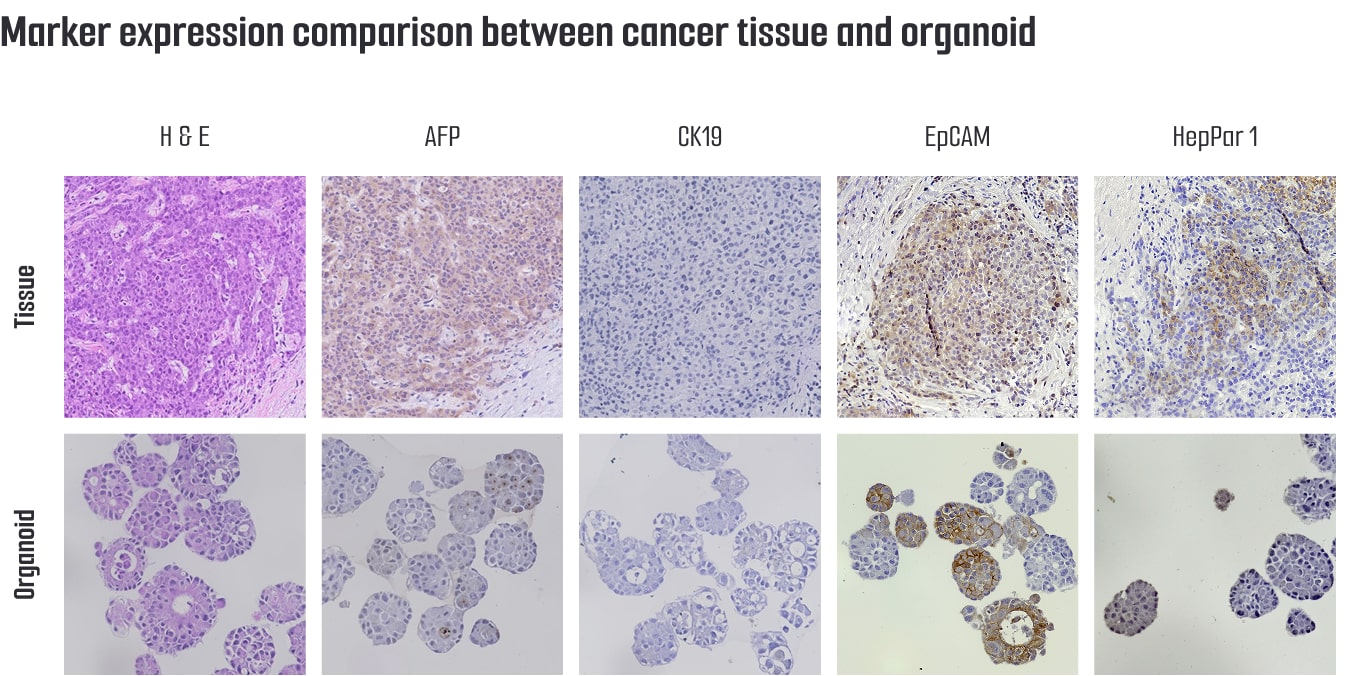
Our hepatocellular carcinoma organoids exhibit a high degree of pathological similarity to patient-derived tumor tissues, expressing key hepatocellular carcinoma markers such as AFP, CK19, EpCAM and HepPar1.
Immunohistochemistry (IHC) analyses confirm that these markers are expressed in the organoids in patterns consistent with those observed in primary tumors, accurately reflecting the differentiation status and histological characteristics of the original tissue.
These pathological marker analyses demonstrate that hepatocellular carcinoma organoids faithfully recapitulate the morphological and molecular features of patient tumors, establishing them as a reliable platform for cancer pathology research, drug development, and the evaluation of personalized therapeutic strategies.
The hepatocellular carcinoma (HCC) organoid platform provides a physiologically relevant model that reflects the genetic characteristics of patient tumors.
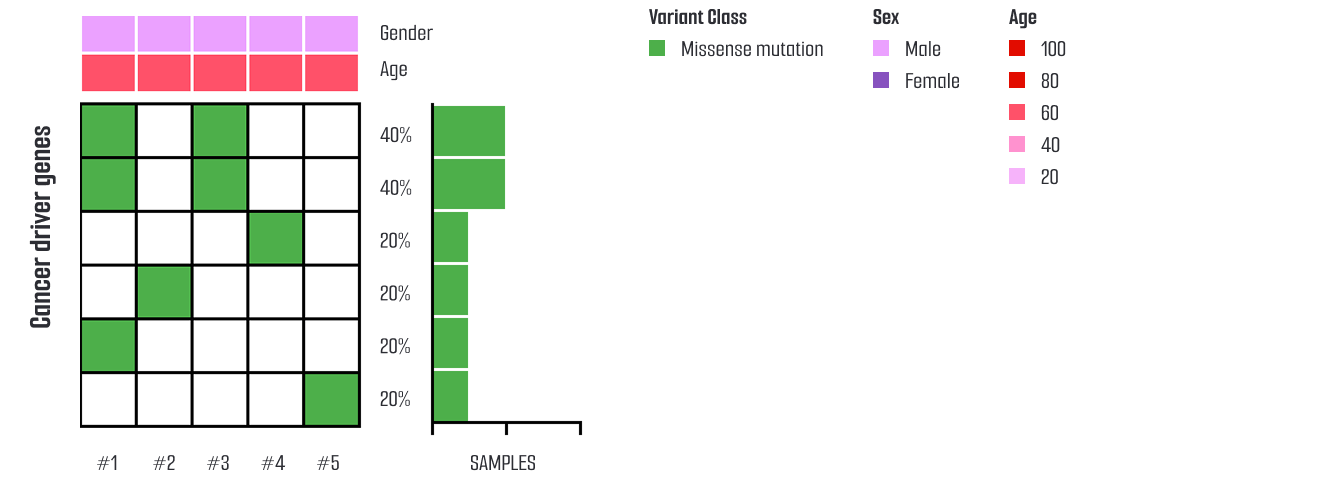
Whole Exome Sequencing (WES) has been performed on the organoid library, identifying key driver mutations commonly found in HCC.
These genomic profiles are visualized using Oncoplots, providing clear interpretation of the genetic features of each organoid model.
With WES data already established, cancer organoids harboring specific gene mutations can be selectively utilized for targeted drug testing, mechanistic studies, and mutation-driven drug response analysis.
These organoids serve as versatile models that reflect diverse tumor characteristics such as metastasis, treatment resistance, and drug sensitivity, making them effective for evaluating both standard therapies and novel anticancer strategies.
This platform supports mutation-specific organoid selection and testing, positioning it as a powerful tool for precision oncology and the development of personalized cancer therapies.
Interested in bringing hepatocellular carcinoma organoids into your research?
Contact Lambda Biologics to discuss your project with our team.
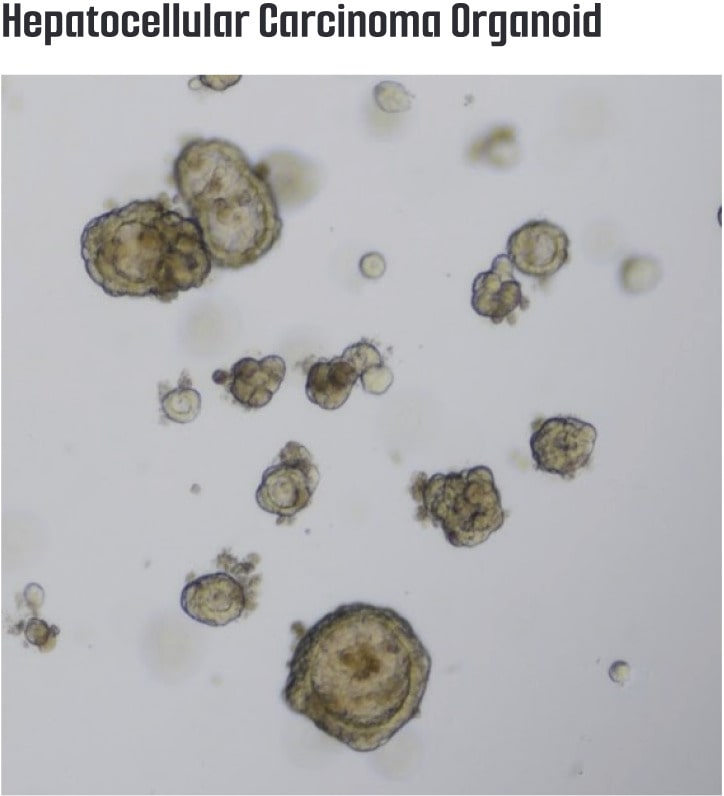
A hepatocellular carcinoma organoid is a three-dimensional tumor model derived from cells of Hepatocellular Carcinoma. These organoids self-organize in culture and preserve key characteristics of the original tumor, including genetic mutations, cellular heterogeneity, and histological architecture, making them highly relevant models for liver cancer research and therapeutic development.
Hepatocellular carcinoma organoids are established by isolating tumor cells from surgical resections or biopsies. The cells are embedded in an extracellular matrix such as Matrigel and cultured in a defined growth medium containing signaling factors that support the formation and expansion of 3D tumor organoids.
Yes. Hepatocellular carcinoma organoids are widely used for drug efficacy testing and therapeutic screening. They allow researchers to evaluate responses to targeted therapies such as Sorafenib and Lenvatinib, helping identify promising treatment strategies and investigate drug resistance mechanisms.
Hepatocellular carcinoma organoids replicate the complex biology of liver tumors more accurately than conventional 2D cell cultures. By preserving tumor heterogeneity and genetic profiles, they provide a powerful platform for studying tumor progression, testing therapies, and advancing precision oncology research.