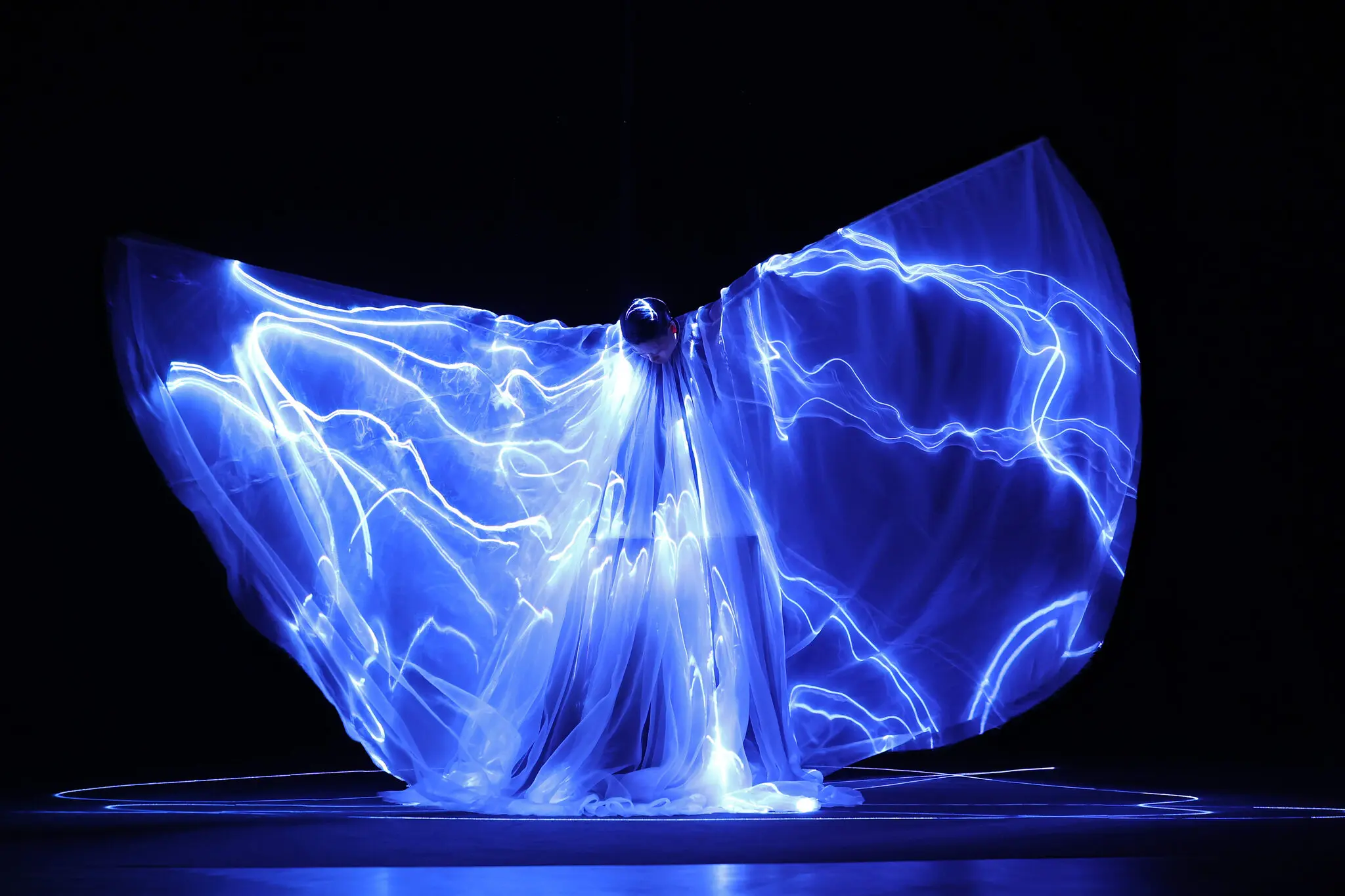
We are living in an age of resurrection. On stage and screen, Frankenstein, Wuthering Heights, and ancient mythologies are being reimagined for new audiences – culture is ravenous for the old, reborn. In the laboratory, scientists are doing something remarkably similar, and the results are just as electric.
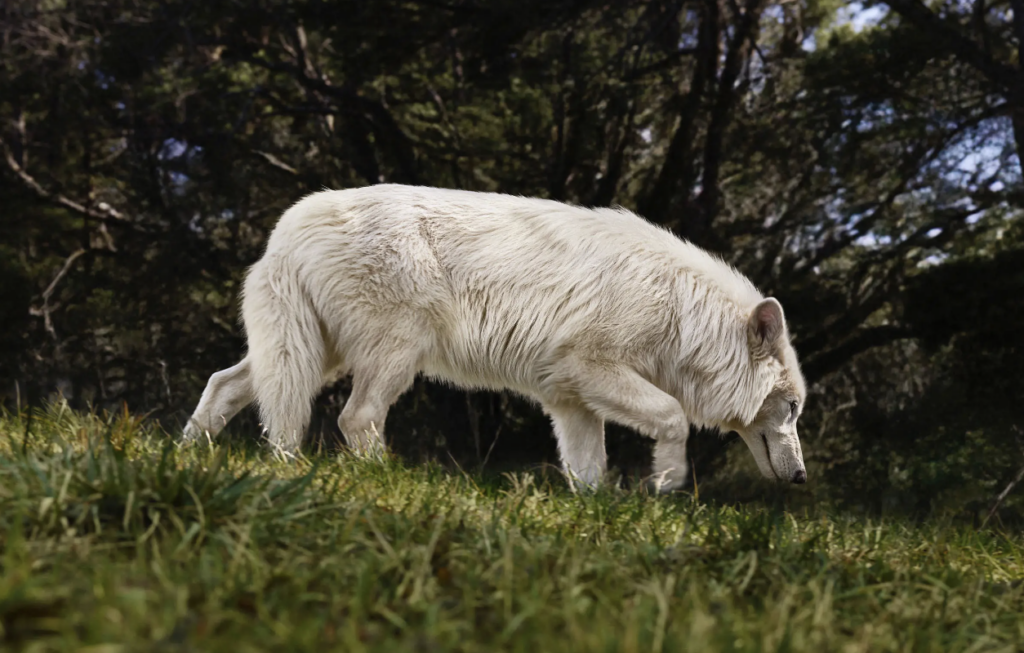
Colossal Biosciences recently announced the creation of three dire wolves – snow-white animals absent from the earth for over 10,000 years – brought back through 20 precise genetic edits to modern gray wolf DNA, guided by ancient bones. It is paleogenomics as storytelling: extract the blueprint, reconstruct the creature, reintroduce the myth.
This is no coincidence. Both art and science are wrestling with the same deep human impulse – the refusal to let the past stay buried. Mythology-core aesthetics, folklore revival, and classic literary remakes aren’t merely nostalgia. They are a cultural appetite for continuity across time, for meaning that transcends the present moment. De-extinction is that same appetite, expressed in code rather than narrative. The story didn’t end. We’re just writing the next chapter.
Read more: