As Super Bowl 2026 approaches, the event once again reminds us that it is far more than a football game. It is one of the largest cultural spectacles of our time – where sport, art, media, and collective attention converge. This year, that convergence is vividly reflected in the official Super Bowl artwork by 3D pop artist Charles Fazzino.
Fazzino’s layered, three-dimensional Super Bowl art does not simply depict a stadium or a moment of play. It constructs depth. Viewers are invited to explore space, movement, and interaction – qualities that feel instinctively alive. Neuroscience helps explain this preference. Human perception relies heavily on depth cues and spatial relationships to make sense of visual information, allowing the brain to reconstruct three-dimensional environments from what is, at the retinal level, a flat image.
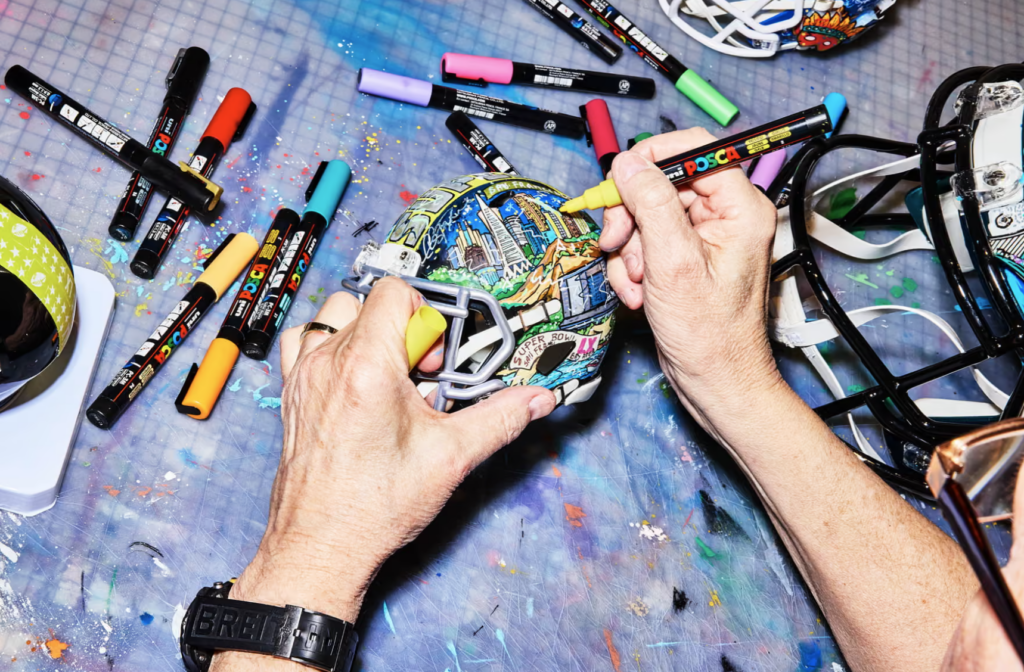
Image: Inside Charles Fazzino’s New Rochelle studio, where he poses with some of his latest Super Bowl art. Photograph: Amy Lombard/The Guardian
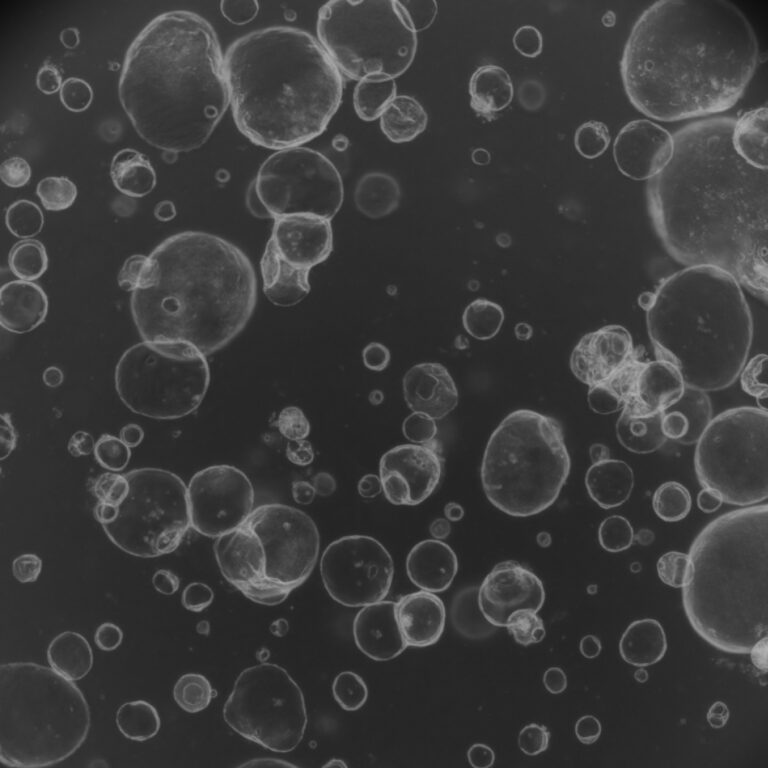
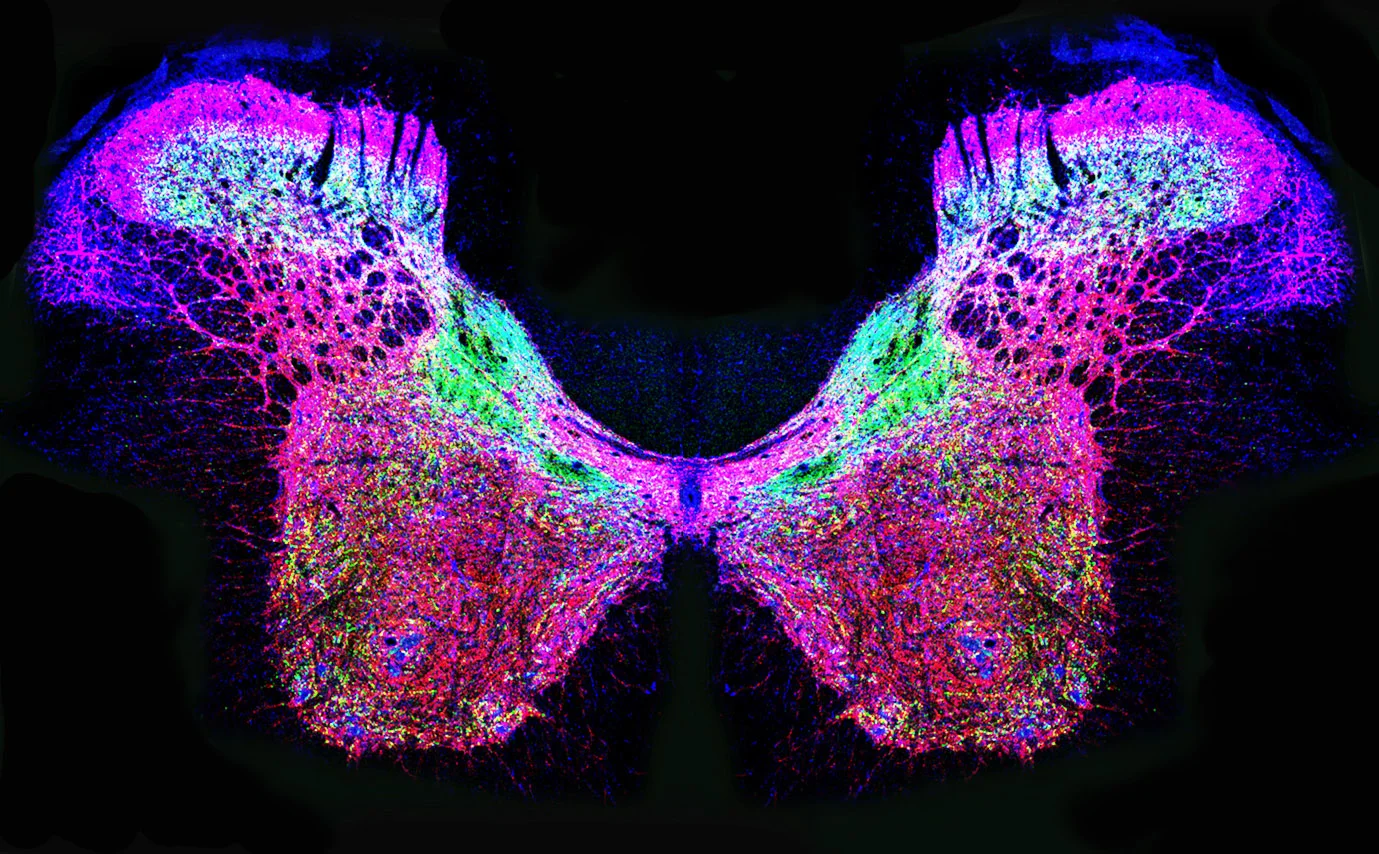
This same insight is reshaping science. In biology, flat 2D cell cultures are increasingly replaced by 3D organoids – miniature, self-organizing tissue models that better reflect how human organs actually function. Like Super Bowl 2026’s 3D art, organoids reveal what only emerges in space: structure, communication, and complexity.
Seen this way, the visual language of Super Bowl 2026 aligns closely with how complexity is approached in other fields today. Whether in large-scale sporting spectacles or biological research, there is a growing emphasis on preserving spatial relationships and context. Rather than flattening experience into simplified views, both art and science are increasingly turning to three-dimensional models to better reflect how systems actually work.
Read more: